New Covenant Bible Verse: Key Passages and Meaning
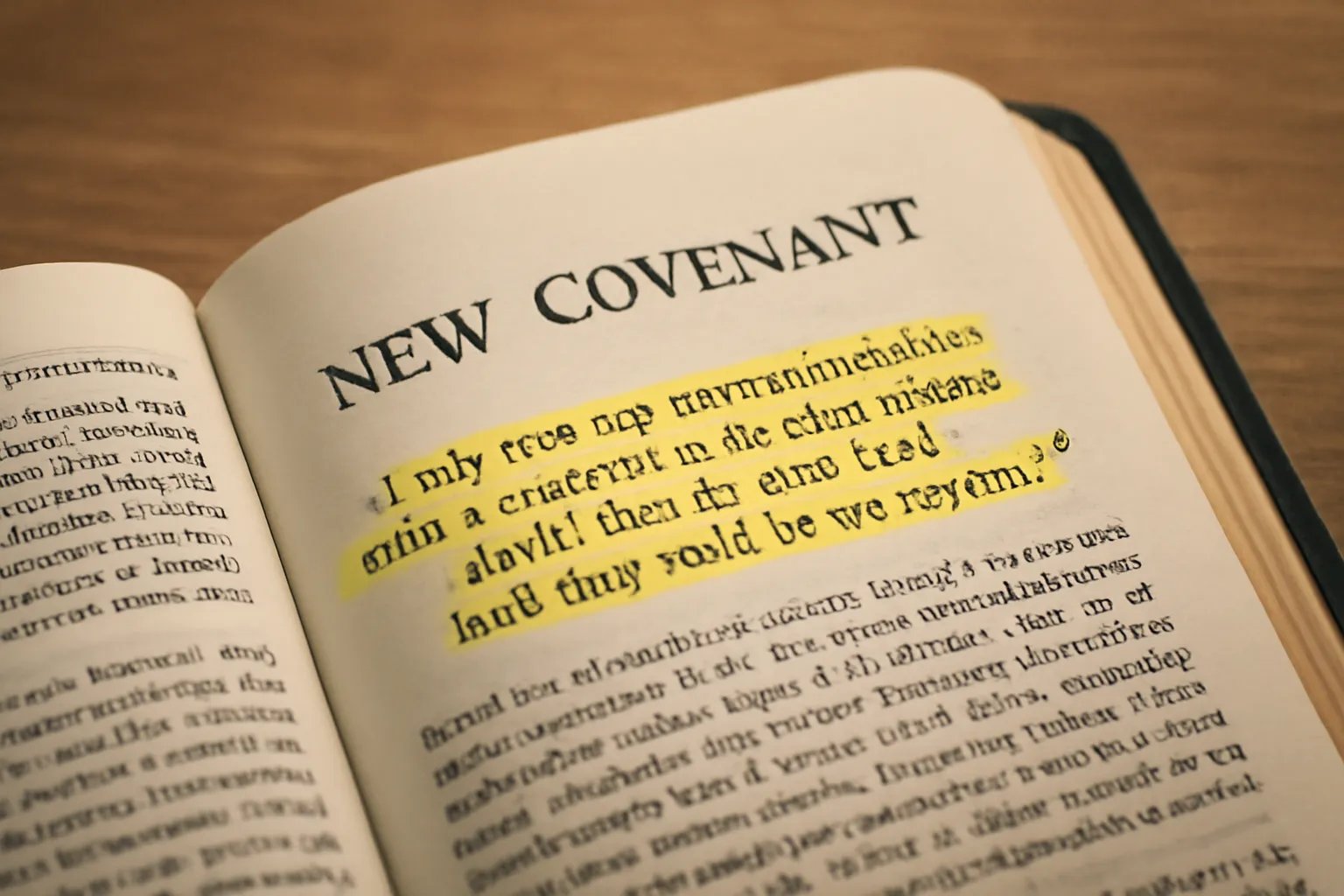
The phrase “New Covenant” appears in multiple Bible passages, and it anchors a sweeping shift in how God relates to humanity. This article explores the most important new covenant verses, what they mean, and how they shape Christian faith and practice. We will look at foundational promises, the work of the Spirit, and the way these scriptures articulate forgiveness, transformation, and relationship with God. By surveying key new covenant scriptures, we can gain a clearer sense of the continuity and the transformation that the Bible describes from the Old Covenant to the New Covenant in Christ.
Foundations: What is the New Covenant?
The New Covenant is often described as God’s gracious initiative to redeem and renew people from within, not merely to reform external behavior. In biblical terms, it marks a shift from a covenant primarily focused on obedience to a system of sacrificial worship to a covenant centered on relationship, the internal work of the Spirit, and the forgiveness of sins. Here are some core ideas that recur across new covenant passages:
Forgiveness of sins and the removal of guilt as a central feature of the covenant renewal.
Internal transformation—the Spirit writes God’s law on the heart and gives a new inner motive for obedience.
Knowledge of God that is intimate and experiential rather than only traditional or external.
Universal access—the covenant expands beyond a single people group to include Gentiles and all who believe.
Enduring priesthood and mediator—Jesus becomes the mediator of a better covenant, ensuring lasting access to God.
Because the New Covenant builds on the previous covenantal framework, we often encounter parallel themes in new covenant verse collections that highlight fulfillment in Christ and the Spirit’s ongoing work in the church. The following sections point to the most influential new covenant verses and explain their meaning in their own contexts.
Key passages: New Covenant verses and what they mean
Below are the passages most frequently cited when theologians and Bible readers discuss the new covenant scriptures. Each subsection provides a concise explanation of its significance and its place in the broader biblical narrative. For readability, numbers reference common chapter-and-verse placements in the popular translations, recognizing that wording may differ between translations.
Jeremiah 31:31-34: The Promise of a New Covenant
In Jeremiah’s prophecy, the New Covenant is introduced as a future arrangement in which God will write his law on the people’s hearts and will forgive in a way that redefines how people relate to him. The passage envisions an intimate knowledge of God that replaces external compliance as the primary form of obedience. The central motifs are personal relationship with God, internal transformation, and forgiveness of sins as the basis for a renewed people. When Christians speak of the new covenant in Jeremiah, they often hear echoes of anticipation for Christ’s work, which Hebrews later interprets as the fulfillment of this promise. A compact summary would be: God will enact a covenant in which his presence permeates life from the inside out, and sins will be remembered no more.
Ezekiel 36:26-27: A Heart Transformed by the Spirit
This passage foregrounds a radical interior change: a new heart and a new spirit given by God, enabling obedience that previously seemed beyond reach. The idea of spiritual renewal is central to the new covenant message. Ezekiel’s words anticipate a day when the Spirit’s work makes believers naturally want to follow God, not merely outwardly perform ritual requirements. The theme of indwelling the Spirit is a cornerstone for understanding how the new covenant life operates within believers today. For readers of the new covenant scriptures, Ezekiel’s promise is a bridge between the Old Covenant’s promises and the New Covenant’s realized work in Christ and the Spirit.
Hebrews 8:6-13: The Ministry of a Superior Covenant
The book of Hebrews interprets the New Covenant as superior to the old arrangement because Jesus mediates a better covenant with a better ministry. These verses compare the high priestly role under the old system with the ministry of Christ who serves as the mediator of the new covenant. The emphasis is not only on forgiveness but on the completeness of what Christ achieved—perfect sacrifice, internal access to God, and a fulfilled prophetic expectation of covenantal functioning. The quotation in Hebrews 8:10-12 explicitly ties the new covenant promises to God’s written law on the heart and the removal of remembrance of sins. This is often cited as a foundational New Covenant text because it directly links the old promises to the gospel’s present reality in Christ and the Spirit.
Hebrews 9:15: The Mediator of a New Covenant
In this verse, the author emphasizes the role of Christ as the mediator of the new covenant. The mediator’s work ensures that the covenant’s promises—especially the forgiveness of sins—acquire their efficacy through his death and resurrection. For readers, this verse highlights the theological import of Christ’s saving work as the primary mechanism by which the new covenant promises become effective in history. It also helps explain why the New Covenant is not a mere shift in governance but a transformative new relationship with God mediated by Jesus.
Hebrews 12:24: Jesus, the Mediator of a New Covenant
Echoing the idea in Hebrews 9:15, Hebrews 12:24 points to Jesus as the central figure who reconciles believers to God under the New Covenant. The verse situates Jesus in a line of faith that culminates in a superior covenant, linking his blood to the believer’s access to God. This passage is frequently cited to underscore the continuity between the old prophetic expectations and their fulfillment in Christ, as well as the certainty of a lasting relationship with God through the Spirit.
Luke 22:20 and 1 Corinthians 11:25: The Last Supper and the New Covenant in His Blood
These verses anchor the new covenant verse in the life of Jesus’ ministry and in the church’s practice. At the Last Supper, Jesus identifies the cup with “my blood of the covenant, which is poured out for you” (Luke 22:20). Paul reiterates this language when he writes that the cup is the cup of the Lord in which the new covenant is sealed (1 Corinthians 11:25). The sacramental language emphasizes that the New Covenant is not only a future promise but a present reality made accessible through faith and celebrated in the church’s rituals. For many believers, this connection between Jesus’ blood and the New Covenant renders the gospel tangible in worship, remembrance, and obedience.
This brief passage repeats Jeremiah’s promise about writing God’s laws on hearts and forgiving sins without memory of sins. It helps readers see that the new covenant scriptures are reinforced within the New Testament as the living realization of those ancient promises. The repetition underscores a key idea: God’s covenantal faithfulness is not nostalgia; it is present empowerment by the Spirit for righteous living and intimate knowledge of God.
Galatians 3:14 connects the blessing of Abraham to the reception of the Spirit through faith, which many scholars view as a fulfillment of the new covenant dynamics—namely, that the covenant’s blessings come through faith in Christ and are realized in the Spirit’s presence within believers. This passage broadens the scope of the new covenant by highlighting how Gentile believers participate in the same covenant blessings promised to Israel, now extended to all who belong to Christ.
Additional context: 2 Corinthians 3:6 and the Spirit’s ministry
While not always labeled as a direct quotation about the New Covenant, this verse contrasts the “letter” that kills with the “Spirit” who gives life. The contrast underscores a central feature of the new covenant life: a move from external law-based obligation to internal, Spirit-enabled life. This theme recurs across the new covenant passages as believers recognize that the Gospel brings not only forgiveness but transformation from within by the Spirit’s power.
How the new covenant works in the life of believers
Understanding the new covenant in the life of a believer involves recognizing both the doctrinal shape of the promise and its practical implications. The following themes show how new covenant theology translates into daily faith and practice:
Forgiveness and cleansing are foundational. The New Covenant promises a complete removal of recorded sins, enabling genuine reconciliation with God and true peace with him.
Internal renewal is the daily experience of the Spirit’s work. Believers are invited to cooperate with grace as God writes his law on their hearts, producing a willing, joyful obedience that surpasses mere outward conformity.
Intimate knowledge of God becomes possible. The Spirit gives believers a personal, experiential relationship with God, not just a set of external rules.
Transformation of identity is a hallmark. The new covenant life makes believers new creations in Christ, inviting them to live from their new identity rather than from their old habits or social categories.
Inclusion and mission expand the covenant community. The gospel proclaims the inclusion of Gentiles and all who believe, creating a diverse but unified people who bear witness to God’s faithfulness.
Because these elements recur across the new covenant verses, readers can trace a coherent narrative: God initiates a covenant in which sins are forgiven, hearts are changed, and a people live in life-giving relationship with him through the Spirit and the mediator, Jesus Christ. The practical outworking of this theology includes worship that centers on Jesus, ethical living empowered by grace, and community life shaped by mercy and mission.
New Covenant vs Old Covenant: Key distinctions
Distinguishing the New Covenant from the Old Covenant helps readers appreciate the Bible’s arc of redemption. While some language carries forward, the transformation lies in how God relates to people and how people relate to God.
Source of obedience: Old Covenant obedience depended largely on external law and ritual; the New Covenant emphasizes internal obedience through the Spirit.
Nature of forgiveness: The Old Covenant required repeated sacrifices; the New Covenant offers a once-for-all forgiveness through Christ’s sacrifice and a continual cleansing through his blood.
Written law: The Old Covenant had the law written on tablets of stone; the New Covenant features the law written on hearts and impressed on consciences.
mediator and sacrifice: The Old Covenant’s system relied on earthly priests and animal sacrifices; the New Covenant centers on Jesus as the eternal mediator who offers a perfect, once-for-all sacrifice.
Scope of the covenant: The Old Covenant primarily related to Israel; the New Covenant expands to include Gentiles, making the covenant universal in scope.
So, how can a reader today engage with the new covenant scriptures in a way that strengthens faith and practice? Here are practical suggestions rooted in the themes of the passages above:
Study with a covenant framework: When you read Jeremiah 31, Ezekiel 36, Hebrews 8-9, and Luke 22, look for how forgiveness, internal renewal, and a personal relationship with God are described as central features of the covenant.
Trace fulfillment in Christ: Compare the new covenant verses with how the New Testament presents Jesus’ life, death, and resurrection as the fulfillment of the prophets’ promises.
Reflect on the Spirit’s work: Pay attention to passages that speak of the Spirit’s indwelling and empowerment, such as Ezekiel’s prophecy and Hebrews’ discussion of ministry. Ask how the Spirit is active in your life today.
Engage in communal practice: Remembering the Last Supper (Luke 22:20; 1 Corinthians 11:25) connects personal faith with the church’s corporate worship and remembrance of Christ’s redemptive work.
Live from your new identity: Let the idea of a “new creation” and a heart transformed by the Spirit shape your daily decisions, attitudes, and relationships.
For scholars and lay readers alike, the practice of meditating on these verses—considering the distinctions between law and grace, obedience and love, ritual and relationship—can deepen understanding of the Gospel. The new covenant meanings are not confined to a single verse; they emerge across a network of scriptures that together tell the story of God’s gracious renewal of his people.
Frequently asked questions about the New Covenant and its verses
What is the central promise of the New Covenant?
The central promise is that God will forgive sins, write his law on the heart, and enable his people to know him personally, all through the Spirit and the ministry of Jesus as mediator.
How is the New Covenant fulfilled?
Christ’s life, death, and resurrection are understood in the New Testament as the fulfillment of the prophets’ promises, with the Spirit applying the benefits of the covenant to believers across generations.
Why is the concept of the New Covenant important for Christians today?
It explains the source of Christian identity, the basis of forgiveness, and the power for change. It frames how believers relate to God, to one another, and to the world through mission and worship.
How do Old Covenant practices relate to the New Covenant?
While some practices were specific to Israel, their underlying truths—relationship with God, forgiveness, andHoliness—are fulfilled and reframed in Christ and the Spirit within the New Covenant era.
Closing reflections: the enduring significance of the New Covenant passages
The scriptures about the New Covenant form a coherent narrative about God’s gracious plan to restore humanity. The emphasis on forgiveness, internal transformation, and personal knowledge of God shows that God’s intention is not mere external compliance but a living relationship with his people. The New Covenant scriptures point to a present reality in Jesus Christ and a continuing work of the Spirit in the church today. By studying these verses—Jeremiah’s forward-looking prophecy, Ezekiel’s renewal of the heart, and the New Testament’s explanations of Jesus’ work and the Spirit’s power—believers gain a richer understanding of what it means to live under the grace of a covenant that is both eternal and deeply personal.
Whether you refer to them as new covenant passages, new covenant verses, or new covenant scripture, the core message remains: God offers a renewed relationship through Christ, powered by the Spirit, that transforms hearts and renews the world. As you engage with these texts, you may find your own life expanding in generosity, mercy, worship, and mission—an ongoing witness to the reality of the New Covenant today.
The Bible contains passages that feel surprising, unconventional, or even crazy when read in a modern light. That sense of astonishment often comes from material that is highly dramatic, vividly symbolic, or morally provocative. In this article, we explore a broad range of verses and episodes that readers sometimes find hard to believe at first…
Bible Verses About Caring for One Another: Scripture Passages on Love Across the sweep of Scripture, caring for others is not a peripheral virtue but a central mark of a life shaped by love. The Bible invites believers to move from feeling compassion to practicing it in tangible ways—through mercy, generosity, hospitality, and steadfast support…
Why the Moment of Jesus Reading Isaiah 61 Matters The scene in which Jesus reads Isaiah 61 in a Nazareth synagogue is one of the most studied moments in the Gospel tradition. It sits at the crossroads of prophecy, messianic expectation, and the bold claim of Jesus’ own mission. In the telling by Luke, this…
What it Means to Stand With Israel Biblically In recent decades, the phrase “stand with Israel” has appeared in sermons, articles, prayer meetings, and public discourse across many faith communities. While the political and historical dimensions of the modern state of Israel can be complex, the biblical record offers a set of foundational ideas about…
Reading Apparent Conflicts with Care The Bible is a collection of writings written across centuries, in different cultural contexts, and in various literary genres. On the surface, certain verses seem to present conflicting ideas. Apparent contradictions can arise when a single verse is read in isolation or when two verses address different audiences, different moments…
Bible Verses About Crying Out to God — Comfort and Hope in Prayer Across the pages of Scripture, believers cry out to God in moments of distress, fear, grief, or overwhelming need. These prayers are not a sign of spiritual weakness but a powerful expression of trust: a petition that God hears, helps, and draws…