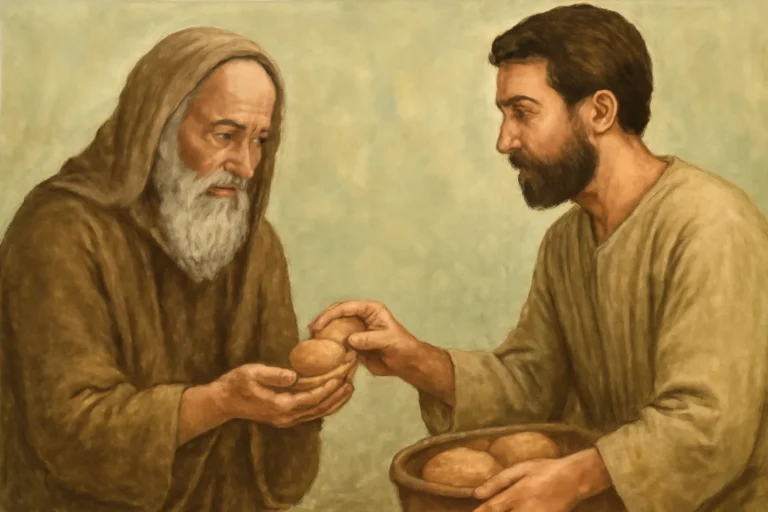
Overview: Why the Bible Calls Us to Care for the Poor
Across the biblical narrative, compassion for the poor is presented not as a peripheral virtue but as a core expression of faithfulness to God. When Scripture speaks about justice, mercy, and generosity, it often ties those themes to how we treat the most vulnerable among us. In this article we explore bible verses about caring for the poor, highlighting how different books—from the Law and the Prophets to the Gospels and the Epistles—frame care for the poor as a reflection of God’s character and a practical obligation for those who follow Christ. The goal is not merely to collect verses but to illuminate a throughline: compassion, charity, and action are inseparable from a life that seeks to honor God.
Throughout this discussion you will encounter variations of verses—both direct quotes and succinct paraphrases—that broaden semantic breadth while preserving the integrity of the original meaning. Where possible, short quotations from the King James Version (public domain) are provided to ground the discussion in well-known wording, while accompanying paraphrases help clarify how these passages speak to modern life. Readers are encouraged to reflect on how these texts speak to personal generosity, communal responsibility, and systemic justice.
Old Testament Foundations: Law, Wisdom, and Covenant Encouraging Generosity
Law and Covenant Commandments: Caring for the Vulnerable as a Covenant Responsibility
The Law instructs communities to leave deliberate space for the poor and for strangers, ensuring that the harvest and the fields do not wholly exclude those in need. These commands are not merely charitable tips; they articulate a social ethic grounded in God’s own nature.
Leviticus 19:9-10 (KJV): “And when ye reap the harvest of your land, thou shalt not wholly reap the corners of thy field, neither shalt thou gather the gleanings of thy harvest: and thou shalt leave them unto the poor, and to the stranger: I am the LORD your God.”
Deuteronomy 15:11 (KJV): “For the poor shall never cease out of the land: therefore I command thee, saying, Thou shalt open thine hand wide unto thy brother, to thy poor, and to thy needy, in thy land.”
These verses establish a pattern: those who own resources are called to open their hands rather than hoard them. The language emphasizes both responsibility and reciprocity—the poor are not mere recipients but neighbors in a shared life of faith.
Wisdom and Psalms: Generosity as a Character Trait and Blessing
The wisdom literature repeatedly links generosity with personal flourishing and social harmony. The Psalms and Proverbs present generosity as a practical disposition that reflects the heart of God.
Proverbs 11:25 (KJV): “The liberal soul shall be made fat: and he that watereth shall be watered also himself.”
Proverbs 19:17 (KJV): “He that hath pity upon the poor lendeth unto the LORD; and that which he hath given will he pay him again.”
Proverbs 22:9 (KJV): “He that hath a bountiful eye shall be blessed: for he giveth of his bread to the poor.”
In these proverbs, generosity is not merely a social duty; it is tied to personal blessing and divine reciprocity. The imagery of “watering” others and lending to the Lord reframes giving as a form of worship and trust in God’s provision.
Prophetic Calls: Justice for the Poor as a Hallmark of True Religion
Justice, Mercy, and Defending the Oppressed
The prophets lift high the call to justice, especially on behalf of the vulnerable—the poor, widows, orphans, and aliens. When communities fail to heed this call, prophetic messages warn of social decay and spiritual compromise.
Isaiah 1:17 (KJV): “Learn to do well; seek judgment, relieve the oppressed, judge the fatherless, plead for the widow.”
Isaiah 58:7 (KJV): “Is it not to deal thy bread to the hungry, and that thou bring the poor that are cast out to thy house? when thou seest the naked, that thou cover him…”
Psalm 82:3-4 (KJV): “Defend the poor and fatherless: do justice to the afflicted and needy. Deliver the poor and needy: rid them out of the hand of the wicked.”
The prophetic witness insists that worship without justice is incomplete. Caring for the poor is presented as a test of faithfulness to God’s character and as a practical pathway to righteousness.
Jesus and the Gospels: Caring for the Poor as the Practical Heartbeat of the Gospel
Jesus’ Teachings on Giving, Mercy, and Hospitality
In the Gospels, Jesus both teaches about generosity and demonstrates its shape through actions, parables, and invitations to partner with God in the world as agents of mercy.
Matthew 25:35-40 (KJV): “For I was hungry, and ye gave me meat… Inasmuch as ye have done it unto one of the least of these my brethren, ye have done it unto me.”
Luke 6:38 (KJV): “Give, and it shall be given unto you; good measure, pressed down, and shaken together, and running over, shall men give into your bosom.”
Luke 12:33 (KJV): “Sell that ye have, and give alms; provide yourselves bags which wax not old, a treasure in the heavens that faileth not.”
Luke 14:13-14 (KJV): “But when thou makest a feast, call the poor, the maimed, the lame, the blind: And thou shalt be blessed…”
Luke 3:11 (KJV): “He that hath two coats, let him impart to him that hath none; and he that hath meat, let him do likewise.”
A consistent thread is not only giving material goods but inviting others into communal life and hospitality. Jesus’ feet walk toward the poor, and his words invite followers to mirror that generosity in daily living.
Parables and Practical Mercy
The teachings include parabolic and direct exhortations that challenge believers to examine motives, nurture compassion, and act in ways that tangibly relieve need.
Luke 6:36-38 (KJV): “Be ye therefore merciful, as your Father also is merciful.” The surrounding verses emphasize generosity that overflows to others.
Luke 4:18 (KJV): “The Spirit of the Lord is upon me, because he hath anointed me to preach the gospel to the poor…”
Matthew 5:7 (KJV): “Blessed are the merciful: for they shall obtain mercy.”
New Testament Letters: Mercy, Generosity, and the Practice of Giving
Remembering the Poor and Practicing Generosity
The Epistles press the church to move beyond mere belief into concrete acts of love, generosity, and solidarity with the poor. A number of passages emphasize memory of the poor as part of the church’s mission and integrity.
Galatians 2:10 (KJV): “Only they would that we should remember the poor; the same which I also was forward to do.”
1 Timothy 6:17-18 (KJV): “Charge them that are rich in this world, that they be not highminded, nor trust in uncertain riches, but in the living God, which giveth us richly all things to enjoy; That they do good, that they be rich in good works, ready to distribute, willing to communicate.”
2 Corinthians 9:6-7 (KJV): “But this I say, He which soweth sparingly shall reap also sparingly;… God loves a cheerful giver.”
James 2:14-17 (KJV): “What doth it profit, my brethren, though a man say he hath faith, and have not works?… Faith, if it hath not works, is dead.”
1 John 3:17 (KJV): “But whoso hath this world’s good, and seeth his brother have need, and shutteth up his compassion from him, how dwelleth the love of God in him?”
The emphasis is clear: genuine faith expresses itself in tangible care for those who lack, with generosity becoming a marker of spiritual vitality rather than a mere duty.
Mercy as a Defining Mark of the Community
The letters also connect the care of the poor with broader ethical exhortations—justice, humility, and prudent stewardship—reminding believers that generosity complements personal piety.
Ephesians 4:28 (KJV): “Let him that stole steal no more: but rather let him labor, working with his hands… that he may have to give to him that needeth.”
Proverbs 21:26 (KJV): “He coveteth greedily all the day long: but the righteous giveth, and spareth not.”
Romans 12:13 (KJV): “Distributing to the necessity of saints; given to hospitality.”
Putting Faith into Action: Practical Ways to Live Biblically Compassionate Care
Direct Almsgiving and Food Aid
Almsgiving and food assistance are recurrent modes of care in Scripture. They are not only acts of charity but expressions of hospitality and solidarity.
Offer tangible help to the hungry by sharing meals, groceries, or resources—reflecting Jesus’ mercy to those in need.
Support local food banks, shelters, or community ministries that serve the vulnerable, aligning with the model of leaving margins for the poor in the land.
Hospitality, Clothing, and Shelter
Caring for the poor often extends beyond food to basic needs like clothing and shelter. Scripture portrays hospitality as a concrete expression of love for neighbor.
Provide clothing to those who lack adequate apparel, following the spirit of Proverbs 31:20—“She stretcheth out her hand to the poor; yea, she reacheth forth her hands to the needy.”
Support housing initiatives or shelter ministries that protect the vulnerable during cold seasons or crisis, echoing prophetic calls to defend the weak.
Financial Stewardship and Redistribution
Biblical instruction also speaks to the prudence of financial stewardship and the willingness to redistribute resources for the common good, especially within the faith community.
2 Corinthians 9:7 (KJV): “Every man according as he purposeth in his heart, so let him give; not grudgingly, or of necessity: for God loveth a cheerful giver.”
1 Timothy 6:18 (KJV): “That they do good, that they be rich in good works, ready to distribute, willing to communicate.”
Advocacy, Justice, and Systemic Care
Bible-inspired care for the poor also extends to addressing injustice and advocating for systems that protect the vulnerable. This includes speaking truth to power, eradicating exploitation, and promoting a society where needs are met with dignity.
Isaiah 1:17 (KJV): “Learn to do well; seek judgment, relieve the oppressed, judge the fatherless, plead for the widow.”
Leviticus 19:15-16 (KJV) emphasizes fair treatment in judgment; while not solely about poverty, it establishes a fairness ethic that undergirds social care.
Theme-Based Verse List: Quick Reference to Core Passages on Caring for the Poor
The following list gathers representative verses that scholars and teachers frequently cite when teaching about compassion and practical care for those in need. Each entry includes a brief, non-technical paraphrase to aid understanding in contemporary life.
Proverbs 14:31 (KJV): Oppressing the poor wounds God; honoring the poor reflects mercy toward the Creator.
Psalm 41:1 (KJV): Blessed is the one who shows kindness to the poor; God sustains him in trouble.
Proverbs 22:9 (KJV): Generosity brings blessing; he gives from abundance to the hungry.
Luke 6:38 (KJV): Giving results in reciprocal blessing; generosity overflows.
Matthew 25:35-40 (KJV): Caring for the hungry, thirsty, stranger, naked, sick, and imprisoned is tantamount to serving Christ Himself.
James 2:14-17 (KJV): Faith without works of mercy is incomplete; acts of mercy demonstrate genuine faith.
Galatians 2:10 (KJV): Remembering the poor is a key part of the gospel mission.
1 John 3:17 (KJV): Love for God is shown by meeting material needs of a brother or sister in need.
Proverbs 19:17 (KJV): Kindness to the poor is an investment in God’s plan and His repayment.
Deuteronomy 15:11 (KJV): The poor will always be present; proactive generosity is commanded.
Is caring for the poor primarily a social duty or a religious practice?
The biblical witness treats care for the poor as a theological obligation intimately connected to worship and discipleship. It is not simply a social project; it is a spiritual discipline rooted in God’s character. The same God who commands justice also invites believers into generous living as a response to grace.
How should modern readers interpret “the poor” in biblical contexts?
The term encompasses a range of people in need—economic poverty, social marginalization, and vulnerability arising from illness, displacement, or injustice. The Bible’s call to care is broad enough to include immediate relief (food, clothing, shelter) and long-term advocacy for fair systems that prevent poverty as a persistent condition.
What about personal wealth and generosity during difficult times?
Scripture does not condemn wealth in itself; rather, it warns against wealth becoming a barrier to justice or a source of hardness toward the vulnerable. The call is to steward resources in ways that bless others and honor God, including sacrificial generosity when possible and wise stewardship when needed.
The biblical tapestry on caring for the poor weaves together law, wisdom, prophecy, gospel, and exhortation to form a holistic ethic. Compassion, charity, and action are not isolated virtues but expressions of a life aligned with God’s purposes. Whether through modest daily acts of kindness or more sustained commitments to justice and advocacy, the Bible invites believers to participate in God’s mercy toward the vulnerable. The verses cited here—ranging from the fields of Leviticus to the courts of Paul—point to a single truth: loving neighbor means seeking justice for the poor, sharing resources generously, and letting grace overflow into concrete deeds.
As you reflect on these passages, consider ways to translate the biblical call into your own life: practical acts of generosity, partnerships with local ministries, and ongoing advocacy for systems that elevate human dignity. In every case, let the Christian community model a faith that is visible, vulnerable, and active—a faith that embodies the heart of Christ by caring for the poor with steadfast love.
Bible Verse for the Poor and Why It Matters The Bible speaks with a consistent and enduring emphasis on compassion, charity, and the dignity of every human being, especially those who are poor or vulnerable. For readers seeking guidance on how to respond to poverty, there exists a rich collection of verses that address not…
Bible Verse About Feeding the Hungry: Key Scripture Verses The call to feed the hungry is one of the most persistent and practical themes in the Bible. Across the pages of Scripture, this imperative is not presented as a vague ideal but as a concrete expression of love, justice, and faith in action. From the…
The Bible contains a pervasive and urgent message about poverty, compassion, and justice. Across both Testaments, Scripture speaks to the vulnerability of people who are poor or marginalized, and it calls God’s people to respond with mercy, generosity, and active concern for the weak, the hungry, the widow, and the orphan. This article surveys a…