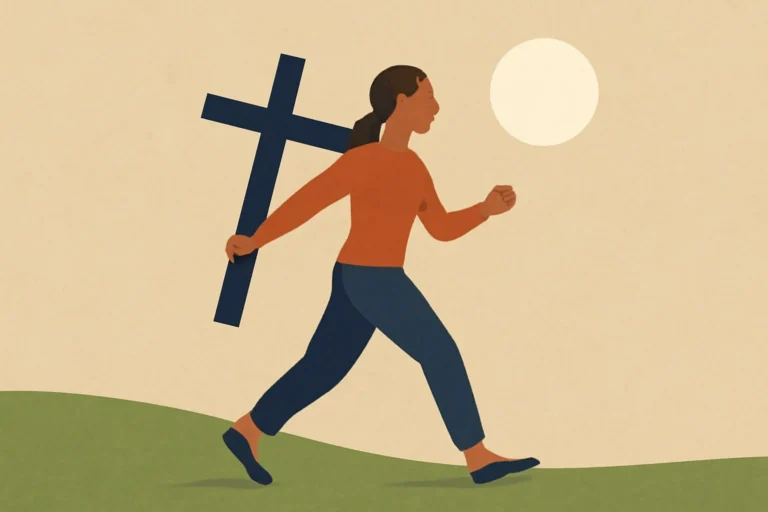
In every life, there are moments that feel like turning points—a whisper of conviction, a choice made in the quiet hours, a decision that looks small on the surface but ripples with consequence over time. These moments are what we can call faith moves: actions and decisions sparked by a belief or hope that something larger than ourselves is at work. When we translate belief into action, we begin a process of transformation that affects our thoughts, relationships, and everyday routines. This article explores what faith moves are, why they matter, and how you can cultivate them in meaningful, practical ways that lead to lasting change.
A faith move is an intentional action grounded in a belief—whether that belief is about a higher power, a moral ideal, a personal vision, or a hoped-for outcome. It is not merely passive trust or wishful thinking; it is trust translated into behavior. A faith move can be big or small, public or private, but it carries the energy of conviction and a willingness to act despite uncertainty. When we talk about belief in motion, we are describing belief that refuses to stay abstract, belief that seeks to shape life through concrete steps.
There are several ways to recognize a faith move in your life. It often appears as a choice that aligns with your deepest values, a commitment that persists beyond comfort, or a shift in priorities that reveals what you truly value most. In short, a faith move is belief translated into action, discipline, and perseverance.
The Foundations: Why Belief Becomes Action
Understanding the mechanism of belief turning into action helps you cultivate more effective faith moves. Several factors work together in this transformation:
Clarity of Conviction: You need a clear sense of what you believe and why it matters. Vague hopes rarely translate into reliable behavior.
Meaningful Purpose: A compelling purpose gives your moves direction and momentum, so you don’t drift when difficulties arise.
Consistency over Perfection: Small, regular practices build trust with yourself and with others, creating a dependable pattern of behavior.
Accountability and Community: A supportive circle helps you stay on track, provides reality checks, and encourages you when progress is slow.
Practical Feasibility: Fear often shrinks when you make the first steps manageable and map out simple, attainable actions.
In practice, a faith move is less about grand declarations and more about steady, reliable habits of belief that accumulate over time. Even when the outward outcomes seem uncertain, the inward effects—greater resilience, clearer values, and stronger integrity—often become undeniable signs of growth.
The Psychology of Belief in Action
Belief is not merely a private sentiment; it has tangible effects on behavior and mood. Neuroscience and psychology offer several insights into why faith moves are powerful catalysts for change:
Motivation through meaning: When actions align with a meaningful aim, people experience greater motivation and persistence.
Gatekeeping bias reduction: Clear beliefs can reduce indecision by providing a reliable compass for making tough calls.
Risk assessment reframe: Convictions often reframe risk. What seems risky from a fear-based perspective can feel doable when guided by purpose.
Social reinforcement: Shared beliefs create a feedback loop in communities that reinforces hopeful behavior and discourages cynicism.
Neurochemical rhythms: Acts of generosity, gratitude, and purpose can release endorphins and dopamine, creating a positive feedback that makes future faith moves more likely.
Despite these benefits, it is important to acknowledge that not all faith moves lead to immediate success, and not every belief proves accurate in every circumstance. The value lies in the character cultivated through the process—courage, humility, patience, and a readiness to learn from outcomes that differ from expectations.
At its core, a faith move is a vehicle for personal transformation. It changes how you think, feel, and interact with the world. Here are several dimensions in which belief-led actions reshape you over time:
Mental shift: A move rooted in belief often shifts your worldview. You begin to see obstacles as opportunities for growth rather than as insurmountable barriers.
Emotional resilience: Consistent facing of uncertainty builds emotional stamina, reducing reactivity and increasing steadiness under pressure.
Moral clarity: Regularly aligning actions with core values sharpens your sense of right and wrong, making choices easier in the moment and more coherent in hindsight.
Relational depth: Faith moves frequently require vulnerability, accountability, and care for others, which strengthens trust and closeness in relationships.
Purpose-driven energy: When your days are animated by a purpose you deeply believe in, ordinary tasks gain significance and motivation intensifies.
Spiritual life: For many, belief-based moves deepen a sense of connection to the sacred, the mysterious, or a larger story that transcends daily routines.
These transformations rarely occur in isolation. They ripple outward, impacting families, workplaces, communities, and the broader culture in ways that often defy simple measurement. Yet the evidence of change—trust built, lives touched, opportunities created—reflects the power of belief moving into motion.
Different Kinds of Faith Moves
Faith moves come in many shapes and sizes. Below are several common categories, each with practical examples and motives. These categories are not rigid silos; most meaningful moves blend aspects from several at once.
Small Daily Choices
Not every faith move must be dramatic. In fact, the most enduring ones often begin as small, consistent choices that reflect your convictions. Consider:
Honesty in daily interactions: Telling the truth even when it is inconvenient or costly.
Promptness and reliability: Showing up on time, completing tasks with integrity, following through on commitments.
Gentleness and respect: Choosing kindness over harsh judgment in tense situations.
Gratitude practice: Recording or expressing appreciation for everyday blessings and lessons learned.
Self-discipline: Prioritizing long-term well-being over short-term gratification.
A Courageous Leap
There are moments when faith moves beyond small habits and into bold action—risking, stepping into the unknown, or shedding a familiar pattern for something new. Examples include:
Changing careers or directions: Pursuing work that aligns with your deepest values, even when it means uncertainty or financial risk.
Starting a project with uncertain outcomes: Launching a venture, organization, or initiative that serves others despite imperfect information.
Confronting personal fears: Facing anxiety, past traumas, or limiting beliefs with professional help or supportive communities.
Serving Others
Faith moves often flow outward toward others, expressing compassion in tangible ways. Examples of service-driven moves include:
Volunteerism and philanthropy: Giving time, skills, or resources to meet real needs in your community.
Mentorship and companionship: Investing in the growth of someone else through guidance, listening, and accountability.
Advocacy and justice: Standing up for the vulnerable and working toward systemic improvements that uplift lives.
Forgiveness and Reconciliation
Some faith moves center on healing fractured relationships and releasing the burden of resentment. This may involve:
Forgiveness: Choosing to release grievance for the sake of peace and relational health.
Apology and repair: Taking responsibility for harm and seeking repair where possible.
Reconciliation efforts: Building bridges through honest dialogue and sustained trust-building actions.
Stewardship and Generosity
Belief often invites a posture of responsible stewardship—care for resources, time, and talents for the common good. Moves in this category may include:
Financial stewardship: Budgeting, saving, and giving with intention and transparency.
Time management: Prioritizing meaningful commitments and reducing needless distractions.
Giftedness and talents: Using your skills to serve others, mentor, or contribute to a shared mission.
The Practice of Gratitude and Contemplation
Some faith moves are anchored in interior growth—cultivating a resilient spirit through contemplation, prayer, or mindfulness. These moves often yield outward benefits as inner peace informs actions:
Regular reflection: Setting aside time to think about values, goals, and the lessons of experience.
Mindful living: Slowing down enough to notice needs, beauty, and opportunity for kindness.
Consistency in prayer or meditation: Building a rhythm that stabilizes your day and centers decision-making.
Trusting in a larger order sometimes means prioritizing rest—allowing space for renewal so you can re-enter life with clarity and energy. Faith moves in this realm include:
Setting boundaries for rest: Protecting time for renewal from the pressures of constant productivity.
Holistic care: Attending to physical health, mental well-being, and spiritual nourishment.
Re-entry with intention: Returning to tasks with refreshed motivation and renewed purpose.
Faith in Community: The Social Dimensions of Belief in Motion
While a faith move can be deeply personal, it often becomes more powerful when enacted within a community. Shared beliefs create a dynamic ecosystem where moves become contagious—propagating energy, accountability, and joint purpose. Here are ways community dynamics magnify faith moves:
Accountability partners: Friends or mentors who check in, celebrate progress, and offer correction when needed.
Collective rituals: Ceremonies, gatherings, and shared practices that reinforce beliefs and sustain momentum.
Mentorship networks: Passing wisdom through generations and across diverse life experiences to help younger or less experienced members take meaningful steps.
Collaborative service: Group projects that extend impact beyond what an individual could achieve alone.
In healthy communities, faith moves are tested, refined, and expanded through dialogue and shared practice. The result is a culture where belief translates into evidence of care, integrity, and contribution to something larger than oneself.
Challenges and Misconceptions About Faith Moves
No discussion of faith moves would be complete without acknowledging the complexities and potential pitfalls. Here are common challenges and how to navigate them thoughtfully:
Over-reliance on certainty: Belief is valuable, but it should coexist with humility and openness to revise beliefs in light of new evidence or experiences.
Confusion of outcomes with faithfulness: A lack of immediate results does not mean a move is not meaningful or transformative on a different timeline.
Performance pressure: Thinking that every move must be dramatic can erode sustainability; focus on consistency, not perfection.
Misuse of power: When moves become coercive or exclusive, the authenticity of belief is compromised. Healthy moves respect autonomy and consent.
Disconnection from reality: Belief should inform action, not blind you to practical constraints or the needs of others.
By recognizing these tensions, you can cultivate moves that are not only spiritually meaningful but also ethically responsible and practically feasible.
Practical Steps to Make a Faith Move Today
If you want to turn belief into momentum, here is a practical, action-oriented framework you can adapt to your life. The steps emphasize intentionality, realistic planning, and sustainable practice.
Identify your core belief clearly. Write it in one sentence and keep it visible.
Translate belief into a concrete action for the next 7 days. Choose something small but meaningful.
Set a measurable objective (e.g., 3-5 precise actions, a weekly milestone, or a monthly target).
Share your intention with one trusted person who can offer feedback and encouragement.
Plan for obstacles by listing potential challenges and your responses to them.
Schedule the move into your calendar or routine, so it becomes non-negotiable.
Reflect and adjust weekly, noting what worked, what didn’t, and what you learned about your beliefs and your life.
In addition to the step-by-step approach, consider selecting one of the following types of moves to experiment with over the next month. Each type invites different forms of growth:
Daily small actions that align with your values (e.g., honesty, punctuality, courtesy).
Volunteer commitments that match your skills and time availability.
Educational or skill-building targets that expand your capacity to contribute.
Relationships initiatives focused on reconciliation, empathy, and listening more deeply.
Remember: the aim is not to perfect every move but to cultivate a reliable pattern of believing and acting in harmony with your deepest values.
Measuring Growth: Signs Your Faith Move Is Working
Growth in the realm of belief and action can be subtle yet profound. Here are indicators that your faith moves are bearing fruit, even if you cannot quantify every outcome:
Increased consistency in daily routines and commitments, even when motivation fluctuates.
Improved relationships as you become more patient, generous, and attentive to others’ needs.
Greater resilience in the face of setbacks, with a quicker return to hopeful, constructive action.
Clearer values and more decisive decisions that align with your core beliefs.
Expanded capacity to contribute—you find more opportunities to serve, mentor, or collaborate.
Inner peace or a steadier sense of purpose, even amid uncertainty.
Trust in the process—confidence that your moves matter and that you are part of a larger, meaningful story.
These signs may show up gradually, and that is perfectly normal. The trajectory of faith moves is often non-linear, with periods of rapid progress and stretches of quiet preparation. The important thing is to stay connected to your belief, stay accountable, and keep taking steps that reflect your values.
Case Studies: Real-Life Examples of Faith Moves
Across cultures and life circumstances, people find different pathways to translate belief into action. Here are illustrative stories that reveal the diversity and universality of faith moves in practice:
Community organizer who, after a season of prayer and listening, channels conviction into establishing a community garden that feeds families, teaches sustainable farming, and fosters neighborly trust.
Educator who commits to mentoring underrepresented students, creating spaces for growth, and advocating for equitable resources in schools.
Healthcare worker who develops a program to support patients facing chronic illness, delivering compassionate care while navigating systemic challenges.
Entrepreneur who pivots to a mission-driven business that prioritizes ethical sourcing, fair wages, and environmental stewardship.
Parent or caregiver who models resilience, gratitude, and service, turning ordinary family routines into opportunities for character formation.
These stories are not about perfection; they are about ongoing devotion to a set of beliefs expressed through action. They illustrate how faith moves can be woven into work, family life, education, health, and community leadership, creating a legacy of trust and transformation.
A Lifelong Journey of Belief in Motion
Faith moves are not a single event but a lifelong rhythm—a cadence of belief, choice, action, and reflection that refines character and enlarges impact. When you view belief as something active rather than passive, you begin to see the world through the lens of possibility: every thought can become a plan, every plan can become a habit, and every habit can become a life that inspires others.
To embrace this lifelong journey, cultivate three foundational practices:
Clarify your beliefs with honesty and specificity, so you know precisely what you’re committing to.
Choose concrete moves that you can execute with regularity, not vague wishes.
Build a supportive network of people who encourage growth, hold you accountable, and challenge you constructively.
As you begin or continue to practice faith moves, you will notice that change compounds. Small acts of trust, repeated faithfully, create a momentum that opens doors, reshapes relationships, and deepens your sense of purpose. The transformations may take time, but they are real and lasting. By translating belief into action, you participate in a process that is as ancient as it is emergent—a dynamic, hopeful, and practical way to live well in a world that constantly asks for courage, compassion, and steadfastness.
May your next move reflect the best of who you are and the person you are becoming. May your faith be not only a comfort for difficult days but a spark that lights new paths for yourself and for others. And may you discover in the practice of faith moves the profound truth that belief, when put into motion, is a gift you give to the world—and a gift you continually receive in return.
Faith and works have long stood at the center of debates about salvation in the biblical tradition. The phrase faith versus works is often used to summarize a complex conversation about how a person is made right with God. This article aims to provide a careful, educational overview of what the Bible teaches about salvation,…
God helps them that help themselves is a proverb that often surfaces in discussions about faith, responsibility, and practical living. It expresses a conviction that divine involvement aligns with personal effort, that spiritual life does not dispense with work but often empowers work that is deliberate, principled, and ethically motivated. This article explores the saying,…
Understanding the phrase “faith without works is dead” in James 2 When readers encounter James 2, they often encounter the striking assertion that “faith without works is dead.” This short, provocative statement sits at the heart of a larger argument about what it means to trust God in a way that transforms life. In this…
Faith into Action: Practical Ways to Turn Beliefs into Real-Life Impact is more than a slogan. It is a deliberate practice that transforms conviction into deeds, turning inner values into outer outcomes. This article explores the spectrum of how individuals and communities can bridge belief and behavior in tangible, measurable, and meaningful ways. Whether you…