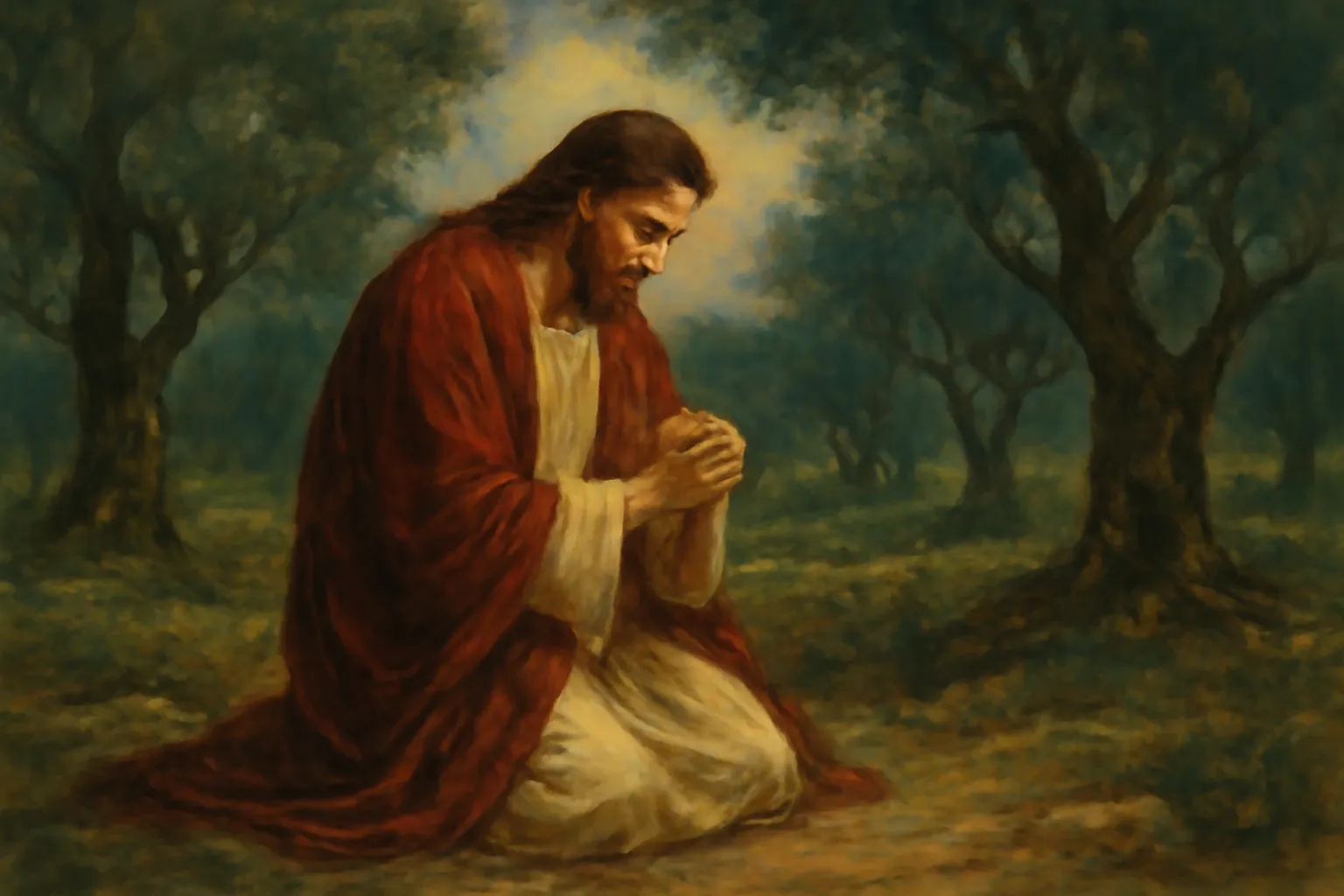
Gethsemane Garden Jesus: Meaning, Key Scenes, and Reflections
In Christian tradition, few places carry as much weight as the Garden of Gethsemane, the gethsemane garden jesus moment when Jesus faced the crisis preceding his crucifixion. This article explores the meaning of this sacred site, the key scenes that unfold there, and the enduring reflections it offers for faith, spirituality, and moral life. By approaching the topic from historical, theological, and devotional angles, we can gain a richer understanding of what this garden encounter reveals about Jesus, humanity, and the divine plan.
Gethsemane: Location, Context, and Meaning within the Gospel Narrative
The expression Garden of Gethsemane identifies a specific olive grove at the foot of the Mount of Olives, just outside ancient Jerusalem. The term Gethsemane is often connected to a Hebrew or Aramaic root meaning oil press, which suits the grove’s practical function in an agrarian landscape. In the Gospel accounts, the garden setting becomes a place where Jesus withdraws with his closest companions to pray, wrestle with a weighty decision, and confront the imminent threat of arrest. The phrase gethsemane garden jesus thus signals not merely a geographical marker but a scene where sovereignty, suffering, and submission intersect.
Several layers of meaning accumulate in this moment:
Theological weight: The narrative foregrounds the cup of suffering that Jesus contemplates, inviting readers to consider the scope of his mission and the cost of transformation for the world.
Human emotion: The Gospels describe Jesus as experiencing deep distress, sorrow, and a desire for companionship, highlighting the genuine humanity of the Messiah.
Divine assistance: An angel appears to strengthen him, signaling that divine support accompanies human weakness in the face of trial.
Ethical resonance: The garden scene has always urged believers toward watchfulness, prayer, and fidelity even under pressure.
Across the four canonical Gospels—Matthew, Mark, Luke, and John—the gethsemane episode is preserved with variations that illuminate different facets of the same event. While one account emphasizes the agony of the moment, another highlights the disciples’ sleep and lapse in solidarity. Taken together, these narratives invite readers to reflect on discipleship under pressure and the paradox of triumph that follows suffering.
Historical and Cultural Background
The olive grove near Jerusalem would have been a familiar landscape for Jesus and his first followers. Gethsemane’s location near the city walls situates the event at a threshold between public ministry and the looming passion. The garden’s quietness contrasts with the tumult of impending arrest and trial, creating a dramatic setting for the struggle between human fear and divine purpose. The setting also resonates with Jewish devotional practices that valued lonely places for prayer and existential reflection.
Thematic Threads Across the Gospels
Readers encounter a tapestry of motifs in the gethsemane narrative:
Submission to the Father’s will: Jesus’ prayer expresses a willingness to align his life with a larger divine plan, even when the path is hard.
Vulnerability and strength: The scene presents Jesus as vulnerably human while also revealing spiritual strength under pressure.
Companionship and desertion: The disciples symbolize both the duty of faithful companionship and the human tendency to drift away in fear.
Central to the gethsemane episode is Jesus’ prayer in the garden. The Evangelists describe him as withdrawing to a place to pray, taking with him a small circle of disciples, and laying bare his emotional burden. In the Garden of Gethsemane, the Lord’s prayer becomes a model for spiritual endurance: a sincere, dialogical, and arduous conversation with the Father. The prayer scene is often read as a turn toward radical trust in the divine will, even when the path forward is shrouded in mystery.
The text emphasizes Jesus’ deep distress and the physiological agony that accompanies his contemplation of suffering.
He asks for an alternative if possible, yet he remains open to the Father’s will, embodying a posture of obedient fidelity.
The narrative foregrounds the importance of intense prayer as a source of strength in the face of fear and danger.
The Moment of Distress and the Angel’s Strengthening Presence
In one of the most striking moments, an angel appears to strengthen Jesus. This divine intervention is not a reversal of the coming events but an empowerment to endure them. The presence of an angel underscores that the spiritual realm is actively engaged in human history, providing support for endurance when the weight of suffering becomes nearly overwhelming. The gethsemane scene thus reframes weakness as a condition that invites divine accompaniment rather than a sign of failure.
The Cup, the Prayer, and the Will to Submit
The language of the cup is central. Jesus asks if it might be possible to avoid it, yet ultimately submits to the Father’s plan. The metaphor of the cup has resonances beyond Christian tradition, signaling the acceptance of a difficult mission, the willingness to bear suffering, and the discipline required to fulfill a righteous purpose. The interplay of petition, wrestling, and surrender provides a template for believers facing major life decisions or moral trials.
The Betrayal and Arrest: The Transition from Prayer to Peril
The gethsemane moment ends with the approach of Judas and the armed cohort. The disciples’ collapse into sleep during the night introduces a dramatic contrast to Jesus’ vigilance. The arrest marks a transition from contemplative agony to public confrontation, and the following events propel the narrative toward the passion, crucifixion, and ultimately the resurrection. This shift from a private struggle to a public ordeal highlights the breadth of Jesus’ mission and the costs of faithful obedience.
Characters, Symbolism, and What the Garden Reveals
Disciples: Sleep, Vigilance, and Human Frailty
The disciples in the Gethsemane story illustrate contrasting responses to crisis. Some remain nearby, others drift into sleep as Jesus intensifies his prayers. The dynamic invites a meditation on communal responsibility: how do communities hold fast to prayer and solidarity when fear or fatigue sets in?
The Role of the Angel and the Divine Strength
The angelic visitation at the crucial moment of weakness emphasizes that divine aid meets human vulnerability. This intervention is not a simple rescinding of pain but a strengthening that makes endurance possible. In this sense, the gethsemane episode communicates a message of hope: divine support accompanies the faithful in their most trying hours.
Symbolism of the Olive Grove and the Oil Press
The physical setting—an olive grove—is rich with symbolic resonance. Olives symbolize peace, healing, and steadfastness, while the oil press imagery recalls the labor of producing olive oil, a process that crushes fruit to release its essence. The symbolism invites readers to reflect on how suffering can yield spiritual vitality and renewal when united with divine purpose.
For many theologians, the garden scene is a necessary prelude to the crucifixion. It is in this moment of struggle that Jesus’ will aligns with the Father’s will, setting the stage for the ultimate act of self-giving. The truth of the garden experience is that it prepares both Jesus and his followers for what comes next, revealing a path from isolation in suffering to the communal proclamation of salvation.
Theological and Spiritual Reflections
Suffering, Submission, and Human Freedom
The gethsemane narrative invites a meditation on the mystery of suffering within a framework of human freedom and divine sovereignty. Jesus’ prayer is not a passive resignation but an active engagement with the moral weight of his calling. This tension invites readers to consider how suffering can become a source of spiritual depth when it is united to a larger purpose beyond the self.
Watchfulness and Prayer as Virtues for All Believers
Jesus’ instruction to the disciples—“watch and pray”—has resonated throughout Christian practice as a warning against complacency and a call to vigilance. The garden lesson is not merely for the original disciples but for all generations of believers who face temptations, fear, or moral uncertainty. The discipline of prayer becomes a way to discern, endure, and respond to the world with courage and compassion.
The Cup of Suffering and the Divine Plan
The cup motif continues to offer a way to understand how suffering can be integrated into a larger divine plan. Rather than a deterministic path, the cup represents a relational journey—one that invites trust in the Father’s wisdom and a willingness to participate in the healing and transformation of others. This perspective can shape ethical choices in personal, communal, and public life.
From Gethsemane to the Cross: A Continuity of Hope
Although the gethsemane episode culminates in arrest and betrayal, it also anchors the Christian hope that suffering does not have the final word. The subsequent events—the crucifixion, the resurrection, and the dawning of new life—are understood as an ultimate fulfillment of the faithful response in the garden. This continuity between garden sorrow and resurrection joy offers a powerful frame for hope in suffering, persecution, or injustice.
Practical and Faithful Applications for Today
Personal Prayer and Discernment in Times of Trial
The gethsemane memory encourages believers to cultivate a discipline of honest prayer when faced with difficult decisions or emotional turmoil. By following Jesus’ model—frank appeal to God, honest lament, and ultimate surrender—one can navigate hardship with integrity and humility. The garden scene thus becomes a template for resilience rooted in trust.
Community Support, Accountability, and Shared Vigilance
In community life, the gethsemane moment emphasizes the importance of companionship and accountability. While the disciples faltered, their presence near Jesus represents the ideal of faithful companionship. Modern faith communities can translate this into practical practices: praying together, offering practical support during crises, and encouraging one another to stay awake to moral challenges in society.
Ethical Implications: Courage, Mercy, and Justice
The garden scene invites readers to reflect on ethical commitments in the face of power, violence, and oppression. The courage to stand for truth, to pursue justice, and to embody mercy—even when it entails personal risk—reflects the same spirit evident in the gethsemane story. The garden thus becomes a resource for moral discernment in political, social, and cultural life.
Cultural Echoes: Gethsemane in Art, Literature, and Music
Visual Representations and Iconography
Throughout Christian art, the Garden of Gethsemane has been a potent source of imagery. Pain, prayer, and the weight of judgment are depicted in scenes of Jesus kneeling or prostrate in a moonlit grove, often accompanied by sleeping disciples and a subtle, tense tension in the air. These depictions invite viewers to enter into the emotional complexity of the moment and to contemplate the cost of salvation.
Literary Reflections and Theological Meditations
In literature, the gethsemane episode appears as a touchstone for themes of temptation, obedience, sacrifice, and trust. Poets and novelists have used the garden as a metaphor for the interior landscapes of conscience, where a person must choose between comfort and fidelity, fear and courage. The variations of the gethsemane garden jesus motif in prose and poetry demonstrate how this moment speaks to universal struggles with vulnerability and faith.
Musical Interpretations and Liturgical Use
Musical settings—from choir antiphons to modern sacred compositions—often draw on the emotional register of the garden scene: lament, slow tempo, and a sense of anticipatory sorrow followed by hope. In liturgy and devotion, passages about prayer and watchfulness are used to frame Holy Week reflections and meditative practices that center on obedience and trust in God’s plan.
Variations on the Theme: Semantic Breadth and Terminological Variants
To capture the breadth of conversation about this pivotal moment, it helps to use variations of the phrase Gethsemane garden Jesus and related terms. Here are several formulations that readers might encounter in theological study, sermons, or devotional writing:
Garden of Gethsemane and the night of prayer
Jesus in Gethsemane before the arrest
Gethsemane’s olive grove as a place of temptation and resolve
Getsemane garden jesus in biblical narratives
Olive garden prayer in the passion sequence
Jesus’ struggle in the Garden of olives
Watch and pray as a garden commandment for modern believers
These variations help scholars and students trace lexical patterns while preserving the core meaning: a sacred site, a moment of intense prayer, a turning point toward the passion, and a lesson about fidelity under pressure.
Concluding Reflections: Why the Garden Moment Matters
The gethsemane garden narrative remains one of the most profoundly interior moments in the Christian story. It is not merely an historical episode; it is a living invitation to engage with suffering in a way that is honest, prayerful, and hopeful. The Garden of Gethsemane presents a paradox—intense fear and intense faith coexist in the same heart. By contemplating Jesus’ example, Christians and readers can cultivate resilience, discernment, and compassion in the face of fear, injustice, or uncertainty.
Key takeaways include:
Authentic prayer can name fear while remaining open to divine guidance.
Divine accompaniment can strengthen us when we feel weakest.
Submission to a greater plan can transform personal pain into communal renewal.
Communal fidelity—standing with one another in prayer and support—can sustain individuals and communities through trial.
As you reflect on the gethsemane garden jesus moment, consider how the lessons of watchfulness, prayer, and submission might inform your own life—whether you face difficult decisions at work, conflict in relationships, or moral challenges in society. The garden is not only an ancient site; it is a perennial invitation to discernment, courage, and hopeful action grounded in faith.
Garden Gethsemane Bible: Understanding Jesus’ Agony The Garden of Gethsemane stands as a pivotal moment in the biblical narrative of the Passion. It marks the jump from farewell teaching and the Last Supper to the arrest and crucifixion that Christians commemorate during Holy Week. In study and devotion alike, this scene is read not merely…