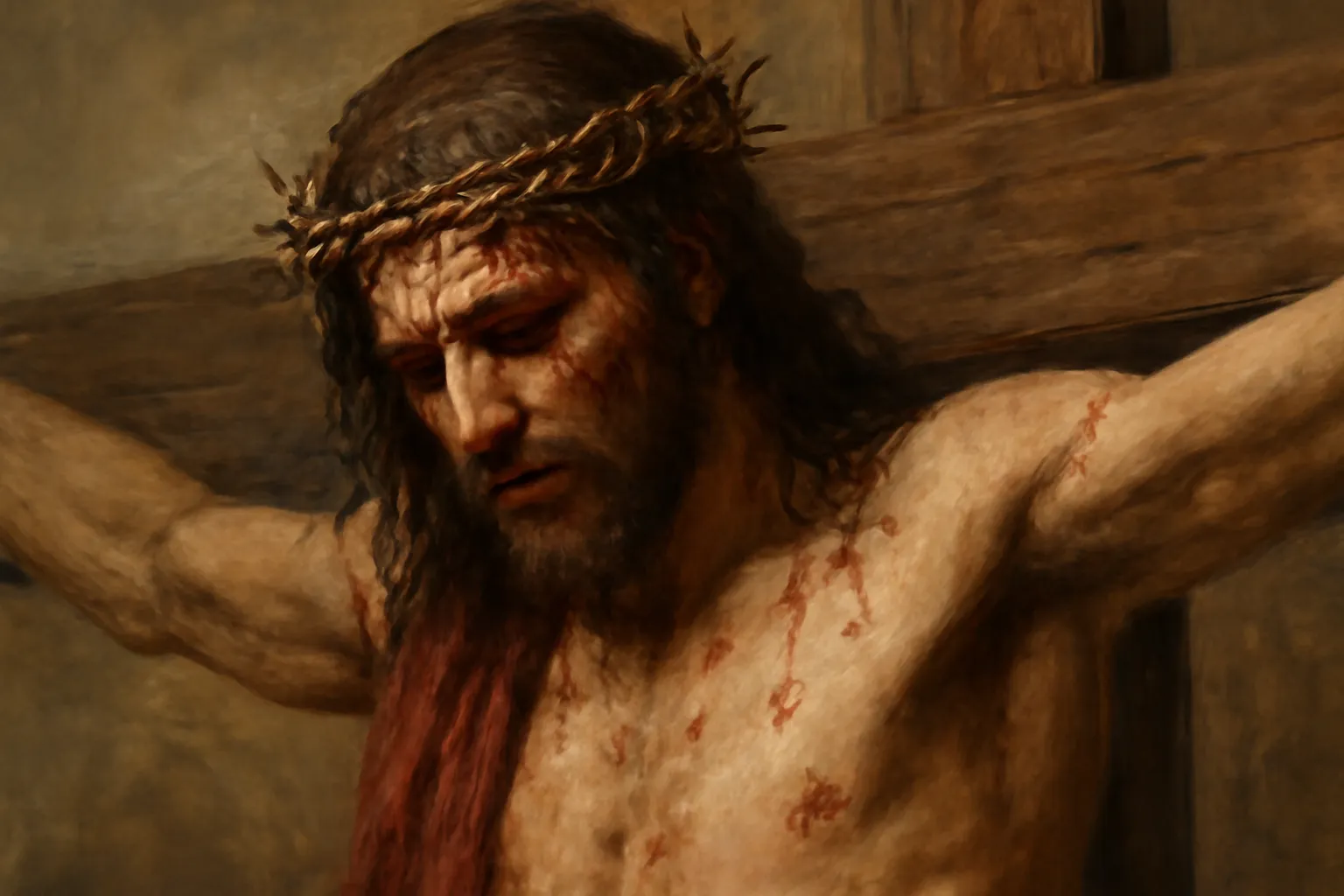
Christ Suffering: Insights on Jesus’ Pain and Its Meaning
The subject of Christ suffering has occupied theologians, poets, artists, and believers for centuries. It is not merely a record of agony but a doorway to understanding
the deepest claims of the Christian faith. In exploring the suffering of Jesus, we encounter questions about love, justice, atonement, and hope that speak across time and culture. This article offers an extended reflection on the Passion, the physical, emotional, and spiritual dimensions of Christ’s pain, and the ways in which that suffering is interpreted and applied in diverse Christian traditions.
Historical and theological foundations
From the Gospels to the Creed: where the story begins
The narratives of Jesus’ passion are anchored in the Gospel accounts, which describe a sequence of events leading to and following the crucifixion. While each Gospel writer emphasizes different details, the core is clear: the suffering of the Son is not incidental but central to the narrative of salvation. Early Christian writers carved this event into the fabric of their faith, turning the crucifixion into the defining moment of divine love revealed on a cross.
The language of the prophets and the language of the church
The idea that the suffering Messiah would bear the burdens of others has deep roots in the Hebrew scriptures. The figure often read alongside Jesus is the Servant who bears pain for many, as Isaiah 53 suggests. Christians have read this as a foretelling of Christ suffering on behalf of humanity. The apostolic preaching then reframes those prophecies in light of the Resurrection, presenting the cross-suffering as the gateway to new life.
Dimensions of Christ’s suffering
Physical pain and the cost of the body
The bodily ordeal of the crucified Jesus stands as a stark testament to Christ suffering in a material sense. The accounts describe beating, scourging, and a prolonged death, practices that ancient readers would recognize as severe punishment. For many readers, the physical anguish is inseparable from the moral and spiritual dimensions of the event. Yet the physicality of Jesus’ pain is not presented for sensationalism but to signal solidarity with human fragility.
Emotional distress: abandonment, loneliness, and fear
Christ’s suffering also includes profound emotional dimensions. Moments of isolation—the desertion by friends, the cries of ridicule, the crowd calling for his death—offer an anatomy of grief. The cry of Jesus on the cross, often translated as «My God, my God, why have you forsaken me?» has been read both as a real sense of abandonment and as a moment of deep relational conflict: the pain of feeling distant from God, experienced so that humanity might never be alone in its own loneliness.
Spiritual burden: bearing sin and breaking barriers
In Christian theology, the suffering of Jesus is inseparable from his role as the bearer of human sin. The cross becomes the place where the moral weight of the world is taken up by one who is both fully divine and fully human. This dimension of Christ suffering emphasizes not only the pain endured but the purpose behind it: a transformation of spiritual relationships between God and humanity, and a reordering of ethical life in light of grace.
The social context of the Passion cannot be ignored. Jesus faced opposition from powerful religious authorities and political structures of his time. The social dimensions of the suffering of the Messiah reveal how injustice, fear, and power intersect with pain. In many readings, the suffering of Christ becomes a lens for understanding oppression in the world today. On a cosmic scale, some theologians speak of a disturbance from sin that resonates through creation itself, suggesting that Christ’s pain has a universal reach beyond human experience.
Meaning and interpretation: why does Christ suffer?
Atonement, redemption, and the power of love
The question of why Christ suffered leads to a range of theological accounts. The traditional line emphasizes atonement—a restorative act by which humanity’s broken relationship with God is reconciled. Within this frame, the suffering of Jesus is not merely a penalty paid but a gift offered: love poured out for the sake of redemption. For many believers, the cross-suffering becomes the most vivid expression of God’s self-giving love.
Substitution, satisfaction, and justice
Among the classic interpretations, substitutionary atonement argues that Christ’s pain functioned as a substitute for human punishment, satisfying divine justice. Critics and proponents alike debate the nuances, but this framework remains influential in many traditions. Other theological voices propose that the suffering of Christ satisfied a cosmic demand for justice in ways that restored harmony between God, humanity, and creation.
Morally transformative influence
An alternative reading centers on the moral influence of Jesus’ suffering. Here, the emphasis is not on legal or transactional categories but on how the sight of the cross awakens compassion, repentance, and ethical renewal in the observer. In this sense, the passion narrative becomes a teacher that invites believers to imitate the self-giving love demonstrated by Christ.
Christus Victor, ransom, and victory over powers
A distinct strand, often associated with patristic and liturgical traditions, views Christ’s suffering as a victorious confrontation with the powers of sin, evil, and death. The cross is the arena of triumph, where love defeats the principalities that enslaved humanity. This perspective highlights the redemptive shaping of history through the Passion, not only for individuals but for the cosmos as a whole.
The cross as revelation: love made visible
A unifying thread in many Christian theologies is the claim that the suffering of Jesus reveals God’s true nature. In response to pain, God is not distant or indifferent; God is present, enterprising, and tender. The cross and the empty tomb together reveal a God who suffers with, heals, and invites humanity into renewed relationship.
Traditions and interpretations across the Christian family
Roman Catholic and the Paschal Mystery
In Catholic thought, the Paschal Mystery encompasses Christ suffering and resurrection as a single, transformative event that continues to shape liturgy, sacraments, and daily life. The cruciform life is not only a memory but an ongoing participation in the mystery of Christ who suffers, dies, and rises. Devotional practices, like the Stations of the Cross, invite the faithful to enter into the pain of the Passion with prayerful attention, turning suffering into sanctification.
Eastern Orthodox perspective: theosis and crucifixion
In the Orthodox tradition, the cross is deeply tied to the process of deification (theosis). The crucified Christ is not distant from human pain; rather, the Lord’s victory on the cross enables believers to become partakers of divine life. The narrative of the suffering of Jesus is integrated with veneration, liturgical poetry, and iconography that depict the transformative power of that pain.
Protestant reflections: atonement, grace, and the story of grace under pressure
Protestant traditions often emphasize access to grace through faith, the sufficiency of Christ’s payment, and the ongoing relevance of the cross for daily life. Views on atonement vary from Anglican to Reformed to Evangelical strands, but a common thread is that the suffering of Jesus is the source of trust, forgiveness, and renewed purpose. The narrative invites believers to respond with repentance, worship, and service shaped by the love demonstrated on the cross.
Liberation theologies and social interpretation
Liberation theologies read Christ’s suffering through the lens of injustice, oppression, and solidarity with the marginalized. The crucified one becomes a symbol of resistance to systems that inflict pain, and the cross inspires action toward justice, mercy, and structural change. In this reading, Jesus’ pain is not private piety but a public invitation to repair the world.
Implications for prayer, devotion, and practice
Prayerful attention to the Passion
Many believers find it meaningful to center prayers around the Passion—to meditate on the cross and the events surrounding it. Practices such as the Way of the Cross or Lectio Divina on Gospel accounts invite contemplative engagement with the suffering of Christ, transforming it from mere fact into a living encounter with divine mercy.
Corporate worship and liturgical memory
In corporate worship, communities remember the crucifixion and resurrection through readings, hymns, and sacramental life. The Eucharist, for many, situates the believer inside the mystery of the suffering of Jesus as bread and cup become signs of grace that sustain life. The cross remains a focal point for confession, gratitude, and renewed commitment to imitate divine love.
Art, music, and storytelling as vehicles of meaning
The expressive arts have long helped people grasp the depth of Christ suffering. Visual art, music, and narrative painting illuminate facets of the Passion that prose alone cannot fully convey. Through these mediums, believers encounter the pain of Jesus in a way that stirs empathy, invites repentance, and celebrates the triumph of life over death.
Contemporary reflections: bearing pain in today’s world
Relating the Suffering of Jesus to personal pain
In a world where pain is a common human experience—whether through illness, loss, or existential fear—the witness of Christ’s suffering offers a language of solidarity. The belief that Jesus’ pain intersects with our own, and that God does not withdraw from suffering but enters into it, can provide comfort and strength for endurance.
Social empathy: standing with those who suffer
The message of the Passion can shape moral responses to injustice, poverty, and persecution. When communities read the crucifixion as an act of solidarity with the marginalized, they may be inspired to advocate for the vulnerable, support victims of violence, and pursue policies that heal rather than deepen wounds.
The problem of suffering remains a central challenge for many. In reflecting on Christ suffering, people ask: How can pain be meaningful? How does the cross help us understand a world where harm persists? Different traditions offer different forms of response—from divine mystery and trust in God’s ultimate plan to practical commitments to justice and care in the world.
Key themes to carry forward
Inward transformation through reflection on the Passion leads to a life shaped by grace and mercy.
Outward action grows from the conviction that Jesus’ suffering calls us to repair the world and stand with the vulnerable.
Communal memory strengthens faith as communities remember the events of the crucifixion and celebrate the resurrection together.
Divine solidarity asserts that God is not distant in pain but present, accompanying sufferers with love.
Hope beyond despair anchors believers in the conviction that suffering is not the final word and that new life emerges through pain.
Practical reflections for readers
A guided approach to contemplating the Suffering of Christ
Begin with a quiet, heart-centered prayer acknowledging the reality of the cross-suffering.
Read a Gospel account of Jesus’ passion slowly, letting the details invite contemplation rather than sensationalism.
Observe the emotional and spiritual layers: physical pain, abandonment, sin-bearing, and cosmic significance.
Reflect on how the suffering of Jesus speaks to personal pain and social injustice.
Consider concrete actions you can take to embody compassion, mercy, and justice in daily life.
Suggestions for personal devotion
Use a Stations of the Cross format to guide a weekly or seasonal meditation on the Passion.
Journal prompts: “What does Jesus’ suffering ask of me today?”
Incorporate a brief moment of silence to imagine standing beneath the cross with Mary and John, fostering gratitude for grace that reaches the low moments of life.
Christ suffering with reverence and responsibility
The mystery of Christ suffering invites both worship and ethical life. It is not a simple narrative of pain but a complex, multi-dimensional event that reveals the depth of divine love, the seriousness of human brokenness, and the transformative possibility of grace. Across traditions, the core claim remains: in the crucified and risen Jesus, God steps into the worst and brightest moments of human existence. The suffering of the Messiah thus becomes not only a historical memory but a living invitation—to trust, to imitate Christ, and to work toward a world where suffering is met with courage, mercy, and steadfast hope.
As readers consider the Passion, may they encounter a narrative that is honest about pain and generous in offering meaning. May the contemplation of the cross-suffering lead to compassionate action, deeper faith, and a joyful anticipation of the renewal that follows even the darkest hours. In this light, the sufferings of Christ are not mere memories of old times; they are a present invitation to discern and participate in the ongoing work of healing, redemption, and love.
when painful beliefs take hold Across cultures and spiritual traditions, people sometimes encounter a narrative that can feel larger than life in its weight: a sense that the divine intends suffering for them, that they are unworthy of love, or that pain is a sign of punishment. This article explores the belief commonly phrased in…
3 Reasons Why God Allows Suffering: A Thoughtful Guide to Theodicy and Faith Why does suffering exist in a world created by a benevolent and powerful God? This question has challenged thinkers, poets, pastors, scientists, and everyday believers across cultures and centuries. The answer is not simple or universal, and it often depends on one’s…