Gift the Holy Spirit: A Complete Guide to Receiving and Walking in the Spirit is a comprehensive exploration of how a person can encounter, receive, and live in the empowering presence of God. This guide uses a broad, scripture-grounded perspective to explain what it means to receive the Gift of the Holy Spirit and to walk daily in the Spirit. Whether you come from a Pentecostal, Charismatic, Catholic, Orthodox, Protestant, or non-denominational background, the journey toward deeper fellowship with the Spirit involves openness, faith, discernment, and practiced humility.
At its core, the gift of the Holy Spirit is the divine empowerment and presence given by God to believers. It is not merely an emotional experience or a one-time event; rather, it is ongoing guidance, empowerment for service, and a transformed life that reflects the character and power of Christ. In many Christian traditions, this gift is associated with a special work of God in the heart that enables a person to live in ongoing fellowship with Jesus and to participate in God’s mission in the world.
The biblical basis for the gifted life with the Spirit is found in diverse passages. The Gospel of Luke describes the Holy Spirit coming upon Jesus’ followers with power for ministry. The book of Acts records multiple instances where believers are filled, baptized, or renewed with the Spirit, resulting in boldness, spiritual gifts, and extraordinary acts of faith. In 1 Corinthians 12–14, Paul outlines a broad array of gifts of the Spirit that equip church members to build up the body. In Galatians 5, the fruit of the Spirit—love, joy, peace, patience, kindness, goodness, faithfulness, gentleness, and self-control—describes the character that should accompany the gift rather than something we produce on our own.
As you explore this topic, it is important to distinguish two related, but distinct, ideas: the gifts of the Spirit (the abilities and endowments the Spirit gives for ministry) and the fruit of the Spirit (the ethical and relational outcomes that characterize a Spirit-led life). A healthy understanding honors both: gifts that serve others and fruit that marks the life of a disciple.
Historical and Theological Background
The concept of the Spirit’s gifting has deep roots across the biblical narrative and church history. In the Old Testament, the Spirit comes upon prophets, priests, and leaders to enable them for specific tasks. In the New Testament, the outpouring of the Spirit inaugurates a new era in which every believer is invited to walk in direct fellowship with God, receive spiritual empowerment, and participate in the mission of Jesus.
Theological reflections on the Gift of the Holy Spirit have taken several forms across traditions:
Pentecostal and Charismatic perspectives emphasize a distinct moment (or ongoing experience) of baptism in the Holy Spirit, often evidenced by speaking in tongues or other signs, and a visible empowerment for evangelism, healing, and miracles.
Catholic and Anglican views often frame the Spirit’s presence as part of the sacramental life—through baptism and the sacrament of confirmation (chrismation in many Orthodox and Eastern traditions)—with an emphasis on ongoing grace and maturation in the Spirit.
Reformed and Protestant traditions tend to stress the Spirit’s work manifested in conversion, sanctification, and the formation of Christlikeness, with diverse practices regarding spiritual gifts and their use in corporate worship.
Orthodox perspectives emphasize theosis (union with God) and the Spirit’s ongoing formation of moral and liturgical life, often highlighting contemplative practices and community discernment.
Across these streams, the central proclamation remains consistent: the Holy Spirit is active in the church today, inviting believers into a living, transformative relationship with the living God. The differences concern how the Spirit’s presence manifests and how gifts are discerned, stewarded, and integrated into church life.
Receiving the Spirit, or being filled with the Spirit, is described in Scripture as a responsive encounter with God that often involves faith, repentance, and trust. While the exact experience can vary from person to person, certain biblically grounded practices tend to facilitate reception and ongoing fellowship with the Spirit.
Faith, Repentance, and surrender
The journey toward receiving the Spirit begins with faith in Jesus Christ and a turning away from self-reliance or sin. The Bible repeatedly emphasizes that the Spirit is received by faith and that true conversion opens the door for the Spirit’s indwelling and continual work. Repentance isn’t a one-time act but a posture of ongoing surrender to God’s will.
Prayer and expectancy
Prayer, both individually and collectively, is a primary channel through which believers seek the Holy Spirit. Expectant, faith-filled prayer creates space for God to move and to empower. This includes silent listening, corporate worship, and intercession for others. The act of asking the Spirit to fill, guide, and equip a person is itself a vital spiritual discipline.
Water baptism and the Spirit
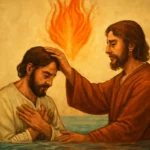
For many traditions, water baptism is a foundational initiating rite that signals identification with Christ and the community of faith. In several streams, baptism is closely linked with a subsequent and distinct experience of the Spirit—the moment when believers are filled or baptized with the Holy Spirit for power, service, and bold witness.
Laying on of hands and communal affirmation
In many churches, the practice of laying on of hands by mature believers or leaders is used to request the Holy Spirit’s empowering presence for someone who is seeking or growing in faith. This moment is typically accompanied by prayer, Scripture, and a sense of corporate endorsement.
Baptism with the Holy Spirit vs Filling with the Spirit
A common question is how to distinguish baptism with the Holy Spirit from filling with the Spirit. While terms and emphasis differ by tradition, several helpful distinctions often emerge:
Baptism with the Holy Spirit is frequently described as a decisive or initiating experience where a person is endowed with power for witness and service. It may be marked by a particular moment of grace or an enduring shift in life direction.
Filling with the Spirit refers to the ongoing, daily experience of renewed empowerment and renewal. It is a continuous process of yielding to God, growing in holiness, and receiving fresh strength for daily tasks and challenges.
Some believers experience both as distinct events, while others view them as two aspects of a single, ongoing relationship with God. The important point for all is that the Spirit’s presence is not a borrowed power but the real and enduring life of Christ activated within a believer.
Gifts of the Spirit: An Exhaustive Overview
The apostle Paul outlines a broad range of spiritual endowments given by the Spirit to believers for the common good. These gifts are not achievements earned by effort, but gracious enables God grants to equip the church for mission, edification, and love in action.
Commonly recognized gifts (1 Corinthians 12)
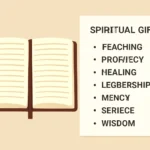
The following list, drawn from 1 Corinthians 12, describes some of the primary manifestations of the Spirit’s gifting:
Wisdom and knowledge—practical insight and understanding that help complex situations and reveal truth.
Faith—a Spirit-enabled confidence for bold, decisive trust in God, often beyond ordinary measures.
Gifts of healing—the Spirit’s power to bring physical, emotional, or spiritual restoration.
Miracles—divine acts that transcend natural order, confirming the proclamation of the gospel and the presence of God’s rule.
Prophecy—speaking forth God’s exhortation, encouragement, or instruction that builds up the church and clarifies God’s will.
Discernment of spirits—the ability to distinguish between the Spirit of God, human spirit, and other spiritual influences.
Tongues—a heavenly or inspired language that expresses praise, prayer, or edification; it is often paired with interpretation for corporate edification.
Interpretation of tongues—the ability to translate a message given in tongues for understanding and exhortation within the gathering.
Beyond this list, many traditions recognize additional capacities that flow from the Spirit’s work, including evangelism-oriented gifts, teaching and leadership, and ministry songs or prophetic songs that encourage the faith.
Gifts of service and contrasts with the fruit
While gifts of the Spirit emphasize abilities given to serve the body, the fruit of the Spirit emphasizes character. The two categories work together: gifts without character can be misused or misdirected, while character without gifts may miss opportunities for effective ministry. A healthy Christian life seeks both divine empowerment and sanctified virtue.
How gifts are discerned and exercised
The Spirit’s gifts are never a license for superiority or control. Healthy churches practice discernment and accountability to ensure that the gifts are used for love, building up the body, and the glory of God. Practical measures include:
Clear alignment with Scripture and the person of Jesus
Mutual confirmation within the faith community
Willingness to be corrected and to submit to leadership
Prayerful testing of messages or manifestations for edification and order
Walking in the Spirit: Disciplines and Daily Life
Receiving the Spirit is not a one-time event but the beginning of a lifelong journey. Walking in the Spirit means allowing the Spirit to lead daily choices, relationships, and mission.
Daily disciplines that nurture Spirit-led living
Bible engagement: meditate on Scripture, observe its teachings, and seek to apply it in daily decisions.
Prayer as conversation: cultivate ongoing conversation with God, including thanksgiving, confession, supplication, and surrender.
Worship and gratitude: regularly express reverence to God through music, prayer, and acts of service.
Fellowship and accountability: engage in community that encourages faith, protects against isolation, and provides gentle correction when needed.
Service and mission: use spiritual gifts to serve others, especially the vulnerable and needy.
Fasting and dependence: practice fasting or other disciplines to deepen dependence on God rather than on personal strength.
In practical terms, walking in the Spirit means that decisions, habits, relationships, and goals are weighed against the Spirit’s promptings and the scriptural witness about the life Jesus invites us to live.
Practical Scenarios: How the Gift manifests in Life
The Gift of the Holy Spirit can express itself in countless everyday situations. Here are some illustrative scenarios to show the range of Spirit-led life:
In family life: a Spirit-enabled patience that listens first, then speaks truth in love; guidance to forgive and reconcile; wisdom for parenting and family decisions.
In the workplace: ethical courage to resist corruption, compassionate leadership that serves colleagues, and discernment when faced with ambiguous projects.
In church and ministry: prophetic encouragement that builds up a discouraged team; healings or prayers for the sick; organized order during worship that reflects Spirit-led unity.
In personal crisis: a sense of peace beyond understanding, faith to persevere, and practical steps toward healing or restoration guided by the Spirit.
Common Questions and Misunderstandings
As with any significant spiritual topic, questions arise. Here are some frequent inquiries and thoughtful clarifications to help readers navigate this terrain with wisdom.
Do I have to speak in tongues to be filled with the Spirit?
Not all traditions require tongues as the defining mark of Spirit baptism. For some, tongues is one of several possible manifestations of the Spirit’s gift; for others, it is not the primary sign. What remains essential across perspectives is a genuine turning to God, trust in Jesus, and a life increasingly characterized by love, purity, and service. If you experience tongues, it should be interpreted in a manner that builds up the church; if not, you can still walk in the Spirit’s fullness and power.
Can a person lose the Spirit or fall away?
The relationship with the Spirit is described in Scripture as secure in Christ, but believers can grieve the Spirit through sustained disobedience or turn away from the path of faith. The emphasis in most traditions is not on fear of losing salvation, but on ongoing conversion, repentance, and renewal. The Spirit’s presence remains available to any who humbly return to God.
How does one discern genuine spiritual gifts from emotion or deception?
Discernment is essential. Biblical criteria include alignment with Scripture, consistency with the character of Christ, confirmation from trusted spiritual mentors, and the benefit and edification of the church. Prophetic words, for example, should be evaluated within the community so that love, order, and truth govern their use.
Is the Gift of the Holy Spirit only for church settings?
The empowering presence of the Spirit is for every area of life. While many expressions occur in corporate worship and ministry settings, the Spirit’s work also shapes personal character, relationships, and everyday decisions. Spirit-led living is not confined to a sanctuary but calls believers to be salt and light in every sphere of society.
Cautions and Balance
With any powerful spiritual reality, there is a need for humility and balance. Some cautions to consider:
Guard against sensationalism that emphasizes signs over a transformed life.
Protect against control or coercion in the name of spiritual gifting; leadership should be marked by service, accountability, and love.
Avoid substituting emotion for obedience; genuine Spirit-led life yields greater love, peace, and justice in action.
Maintain doctrinal discernment, ensuring experiences are grounded in the truth of Scripture and the person of Jesus.
Living a Spirit-Led Community
The experience of the Gift of the Holy Spirit is not merely personal; it is deeply communal. A Spirit-filled community:
Welcomes diverse gifts and languages of expression, while honoring unity in essential beliefs.
Provides space for prayer, prophetic encouragement, and mutual accountability.
Acts in mercy and justice, empowered by the Spirit for reconciliation, care for the poor, and ethical leadership.
Encourages ongoing formation through teaching, mentoring, and purposeful discipleship pathways.
Frequently Used Variations of Language for Clarity
When discussing the Gift of the Holy Spirit, you may encounter several variations of language. Each term carries nuance, but they point to a shared reality:
“Receiving the Holy Spirit” or receiving the Spirit as the initial act of engagement with God’s life in Christ.
“Baptism with the Holy Spirit” or “baptized in the Spirit” as a potent doorway to power for witness and service (especially in Pentecostal and charismatic circles).
“Filling with the Spirit” or “being filled with the Spirit” as ongoing, daily renewal and empowerment.
“Gifts of the Spirit” to describe the range of spiritual capabilities given for service in the church and world.
Embracing the Gift for Transformation
The Gift of the Holy Spirit invites every believer into a dynamic relationship with God through Jesus Christ. It is an invitation to receive divine empowerment, to grow in godly character, and to participate in God’s mission with courage, wisdom, and love. Whether you experience a dramatic moment of baptism in the Spirit, a quiet daily filling, or a combination of both, the goal remains the same: to live a life that reflects the life of Christ and to be an instrument of God’s grace in a hurting world.
As you pursue the journey, allow Scripture to anchor your understanding, seek wise counsel, and cultivate practices that nurture a Spirit-led life. The gift the holy spirit is not a trophy to be displayed but a living force to be trusted, a presence to be walked with, and a ministry to be shared. May you experience the fullness of the Spirit’s presence, power, and peace as you walk in faith, love, and obedience.
Anointed with Holy Spirit: What It Means and How to Walk in His Power Today Throughout biblical history, the phrase anointed with the Holy Spirit carries weighty significance. It signals a distinct moment of divine presence, empowerment, and commissioning for purpose. In the Christian tradition, the idea of being anointed by the Spirit is not…
Understanding the Baptism with the Holy Spirit and Fire: Meaning, Significance, and Biblical Insights The phrase baptism with the Holy Spirit and fire appears in the New Testament as a powerful description of a spiritual experience associated with divine empowerment, purification, and transformation. Across Christian traditions, this language is used to speak of a deeper…
God Gives Gifts: How Divine Blessings Shape Your Life is a topic that invites reflection on how the world feels different when we recognize the generosity that many traditions attribute to a higher power. This article explores the idea that God gives gifts, not as a vending machine of favors, but as a transformative reality…
This article explores the seven gifts of the Holy Spirit and how to recognize and practice them in everyday life. Overview of the Seven Gifts of the Holy Spirit The Christian tradition holds that there are seven gifts of the Holy Spirit that empower believers to live in closer union with God and to respond…
God-given gifts are more than mere abilities. They are endorsements of purpose, nudges toward meaning, and invitations to participate in a larger story. In this article we explore how to discover your inherent talents, embrace them with courage, and use your divine endowments in everyday life. Whether you think of these gifts as natural talents,…
Understanding the Idea of God Giving Gifts When we speak of God giving gifts, we enter a conversation about how divine blessings appear in human experience. This topic covers more than luck or random chance; it invites us to consider how a benevolent Creator may reach into daily life with purpose and care. Throughout history,…