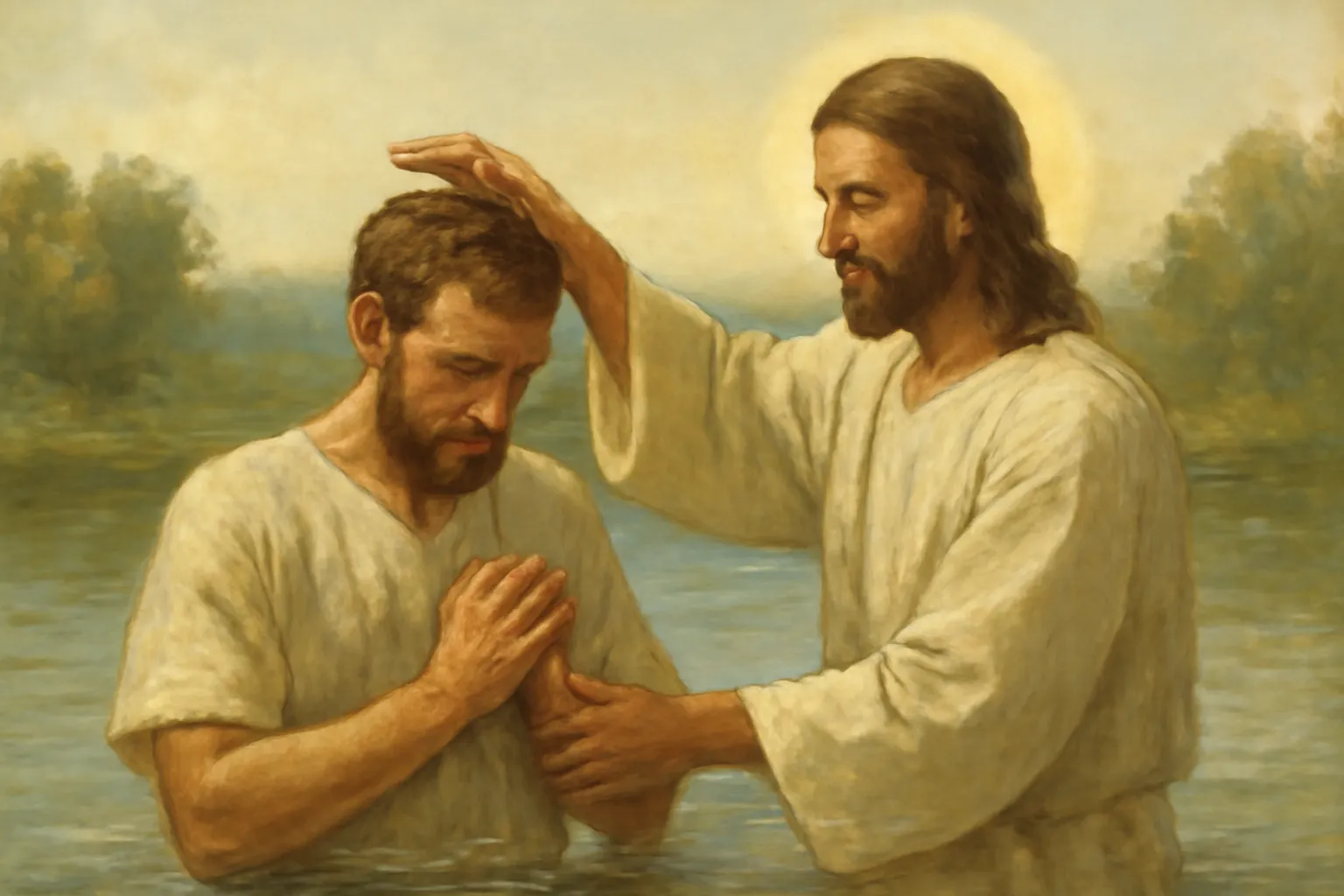
Christian cleansing is a deep and multi-faceted process that touches the heart, mind, and daily life of a believer. It is not merely about outward rules or moral performance; it is about a profound transformation that comes through grace, truth, and obedience. In this article, we explore Christian cleansing as a pathway to spiritual purification and renewal, drawing on biblical foundations, practical disciplines, and a vision for life shaped by holiness and mercy. Throughout the discussion, variations of the phrase cleansing in Christ, purification of the heart, and sanctification will appear to reflect the breadth of the Christian tradition while keeping the focus on personal and communal renewal.
Foundations: What Do Christians Mean by Cleansing?
At its core, cleansing in the Christian faith refers to a divine work that purges sin, heals brokenness, and directs a person toward a holy life. It begins with the recognition that humanity is stained by sin and separated from God, but it continues with God’s gracious invitation to be made clean through Jesus Christ. This cleansing is not a one-time event alone; it is the beginning of a lifelong journey of transformation and renewal that affects beliefs, desires, choices, and relationships.
Christians speak of cleansing in several interrelated ways. Some emphasize the cleansing achieved by Christ’s atonement, others highlight the cleansing that comes through confession and repentance, and still others focus on the ongoing process of sanctification by the Holy Spirit. All of these strands converge on a single aim: a purified heart capable of loving God and neighbor more fully.
In practical terms, spiritual cleansing invites a person to turn away from sin, to turn toward God with humility, and to allow God’s truth to reshape every corner of life. This may involve surrendering unhealthy patterns, asking for forgiveness, choosing new habits, and cultivating a life that reflects the character of Christ.
Biblical Foundations for Cleansing
Old Testament Imagery of Purification
The Bible uses rich imagery to describe cleansing. In the Old Testament, cleansing often involves rituals of washing, sprinkling, and sacrifices that point to inner purity and communal holiness. These acts prepared people for communion with God and signified a break from the defilements of sin and injustice. While the ceremonial practices themselves are not binding on Christians today, their underlying meaning remains instructive: God desires clean hearts, and true cleansing begins in righteousness and mercy.
Washing of the hands and the heart as a metaphor for moral and spiritual cleanliness.
Purification rites that foreshadow the ultimate cleansing found in Christ.
Calls to justice, mercy, and humility as core expressions of inner purity.
New Covenant and the Blood of Christ
The New Testament presents cleansing most clearly through the work of Jesus Christ. The blood of Christ is described as cleansing believers from sin, securing justification, and enabling a new life. In this sense, cleansing is not earned by human effort alone but received by faith as a gift of grace. Yet that grace does not encourage complacency; it invites a response of obedience and daily renewal.
Key themes associated with cleansing in the New Covenant include forgiveness, righteousness imputed by faith, and the Holy Spirit’s work of sanctification within the believer. The cleansing hope is thus both forensic (about standing before God) and experiential (about daily living).
Key Concepts Linked to Spiritual Cleansing
A robust understanding of cleansing in the Christian sense benefits from recognizing several interconnected concepts that frequently appear in teaching and practice:
Justification as a foundational cleansing event—being declared righteous in Christ.
Sanctification as lifelong cleansing—progressive purification by the Spirit.
Repentance as a turning away from sin and turning toward God.
Confession as acknowledging sin before God and, when appropriate, before others.
Forgiveness as the experience of being cleansed from guilt through Christ.
Conversion as the decisive change of allegiance that begins the cleansing journey.
Holiness as the practical result of cleansing—a life marked by love, justice, and mercy.
Transformation as the visible impact of cleansing on character and actions.
Because these strands are woven together, Christian cleansing is best understood as both a moment and a process: a decisive turning to Christ and a continuous invitation to walk in light and truth.
Steps for Spiritual Purification and Renewal
Below is an integrated, practical framework for pursuing spiritual purification and ongoing renewal. Each step includes actions, reflections, and biblical anchors that you can apply personally or within a community setting.
Acknowledge the need for cleansing — honestly assess areas of life where sin, fear, bitterness, or apathy have hardened the heart. Begin with humility and acknowledge that cleansing is a gracious gift you cannot achieve by your own strength.
Reflect on personal patterns or recurring struggles with honesty.
Pray for light to see hidden aspects of the heart that require cleansing.
Declare a desire for holiness and a lifestyle aligned with God’s will.
Confession and repentance — bring sin into the light through confession to God, and where appropriate, to a trusted spiritual mentor or brother/sister in Christ. Repentance is more than regret; it is a deliberate turning away from sin toward God.
Use a personal confession guide or a written prayer to name specific sins.
Invite accountability and prayer from a trusted friend or mentor.
Resolve practical changes to avoid future temptations.
Faith in Christ’s atoning work — rest in the sufficiency of Jesus’ sacrifice to cleanse and restore. Let this faith anchor your identity and confidence in God’s grace.
Read passages that celebrate atonement, such as those describing the cleansing power of the blood of Christ.
Pray for a deeper experiential grasp of forgiveness and acceptance in the Father’s love.
Prayer and study of Scripture — nourish cleansing through regular engagement with God’s Word and prayer. Let Scripture renew your mind and shape your desires toward holiness.
Establish a daily routine of quiet time, with a focus on passages about cleansing, justice, mercy, and heart transformation.
Use reflective questions after reading to apply truth to daily life.
Inner cleansing by the Holy Spirit — invite a personal encounter with the Spirit who convicts, comforts, and empowers the believer toward sanctification.
Practice listening prayer to discern the Spirit’s leading in daily decisions.
Yield to the Spirit when conscience is pricked by guilt or unease.
Discipline and holy habits — cultivate rhythms that sustain cleansing and growth: regular worship, fasting (where fitting), almsgiving, service, and rest.
Adopt a routine that balances time with God, time for others, and time for personal rest.
Engage in spiritual disciplines that align with your tradition’s emphasis (for example, confession, Eucharist, or baptism as appropriate).
Accountability and community — cleansing is aided by authentic community where truth is spoken in love and grace is offered in power.
Join a small group or accountability partner who prays with you and spurs you toward righteousness.
Be open to constructive feedback and correction in a spirit of humility.
Obedience and new patterns of life — let cleansing lead to concrete changes in behavior, relationships, and priorities. The goal is a life that reflects Christ in both word and deed.
Identify at least three concrete changes to pursue (e.g., speech, finances, time management).
Track progress and adjust as needed with the help of God and community.
Ongoing cleansing through the Word — cleansing is not a one-time event but an ongoing renewal. Scripture acts as a mirror, guide, and source of empowerment.
Memorize verses on cleansing, forgiveness, and renewal to recall in difficult moments.
Use devotional guides that emphasize the Christian life as a journey toward holiness.
Perseverance and renewal — life in Christ involves perseverance through trials, temptations, and seasons of dryness. Cleansing continues as God forms character through steadfast faith.
Remember that renewal is a process with seasons of growth and seasons of testing.
Celebrate milestones of cleansing and give thanks for God’s mercies anew each day.
Strategies for Daily Life: Living in Cleanliness of Heart
Beyond formal steps, cleansing becomes visible in daily choices and habits. The following strategies can help a believer maintain a posture of purification and growth:
Guarding the heart by filling the mind with good, true, and beautiful things while avoiding relationships, media, or activities that consistently lead away from God.
Practicing forgiveness as a daily discipline that breaks bitterness and restores relational health.
Speaking with grace and choosing words that uplift, heal, and build up others rather than wound.
Serving others as a practical expression of cleansing that outwardly demonstrates inward renewal.
Stewardship of time and resources to prioritize God’s kingdom, justice, and mercy over self-centered pursuits.
Fostering repentance cultures within communities where admitting fault is safe and restoration is pursued.
Common Misunderstandings about Cleansing
Several misconceptions can obscure the true meaning of cleansing in Christ. Clarifying these helps believers stay grounded in Scripture and lived faith:
Clearing guilt by good deeds is not how cleansing works; grace through faith is the foundational gift, and good works flow from gratitude, not from fear of punishment.
Purity equals perfection — cleansing does not erase every failure; it realigns the heart toward holiness and restores relationship with God when failure occurs.
External rituals alone cleanse — outward acts without inward surrender miss the core of cleansing, which begins with the heart’s alignment to God.
One-time event suffices — while justification is a moment of acceptance before God, sanctification is an ongoing process of growth and renewal.
Cleansing is only personal — communal dimensions of cleansing—confession, accountability, and shared worship—play a crucial role in the life of the church.
Fruit of Cleansing: Renewal and Transformation
When cleansing takes root, it bears measurable fruit in the life of the believer and the community around them. The marks of renewal often include increased love, integrity, humility, compassion, and a desire for justice. The following outcomes are commonly associated with a vibrant cleansing journey:
Pure motives— actions rooted in love for God and neighbor rather than self-glorification.
Clean conscience— living with a clear sense of virtue and responsibility before God.
Humble resilience— the ability to endure trials with trust in God and patience with others.
Healthy relationships— reconciled and renewed connections that reflect mercy and forgiveness.
Holiness in conduct— consistency between belief and behavior, especially in areas like honesty, generosity, and gentleness.
Hope and purpose— a clear sense of God’s calling and a hopeful outlook grounded in the gospel.
In communities, cleansing fosters a culture of confession, grace, and accountability. When churches cultivate environments where people can move toward cleansing in truth and love, they become spaces where renewal is contagious and sustainable.
Historical and Denominational Perspectives
Across Christian traditions, the language and emphasis of cleansing may vary, but the underlying conviction remains. Here are some broad lines of emphasis found in different streams of Christian thought:
Catholic and Orthodox traditions often frame cleansing within the sacramental life—baptism, confession, and Eucharist—as primary means of grace by which believers are cleansed and renewed.
Protestant and evangelical traditions emphasize justification by faith and sanctification through the Spirit, with Scripture and prayer as central means of cleansing and renewal.
Anglican and broader Wesleyan streams tend to stress a blend: cleansing through sacramental grace, sustained by disciplined personal devotion and social holiness—active love in daily life.
Non-denominational and charismatic expressions may highlight the ongoing work of the Holy Spirit in cleansing, including moments of spiritual renewal, repentance, and transformative encounter with God.
Despite differences in emphasis, all these traditions agree that cleansing is rooted in God’s mercy, realized in Christ, and sustained through the Spirit in community. The form it takes—whether liturgical, contemplative, or evangelical—serves the same end: a heart renewed to love God and serve others.
Challenges and Encouragement for the Journey
The path of cleansing is often described as rigorous and hopeful in equal measure. Believers may encounter obstacles such as doubt, spiritual dryness, or the weight of past sins. Yet the Bible offers ongoing encouragement: God is patient and faithful to complete the work He begins in the heart. The journey is not about perfect performance but about ongoing trust, repentance, and reliance on divine grace.
Patience with yourself and with others as cleansing unfolds over time.
Humility to admit faults and to receive correction in love.
Hope that renewal is possible through the power of the Holy Spirit and the promises of God.
Perseverance in prayer, Scripture, worship, and service even when visible results are slow.
For communities, the challenge is to create environments where people can pursue cleansing without fear of judgment, and where grace is real, credible, and transformative. When churches cultivate safe spaces for confession, accountability, and mutual care, cleansing becomes a shared, life-giving journey rather than a private struggle.
Embracing a Lifelong Process
The Christian call to cleansing is a call to a lifelong adventure of purification and renewal that begins with grace and culminates in transformed living. By understanding the biblical foundations, embracing practical steps, and participating in a faith-filled community, a believer can experience profound cleansing in Christ—a cleansing that touches thoughts, affections, choices, and relationships. This lifelong process involves confession and repentance, obedience and faith, and a daily dependence on the Holy Spirit to guide, empower, and sustain. In this sense, cleansing is not a mere ritual or a moment of relief; it is the ongoing experience of being made new, day by day, as God’s love reshapes the heart and reorients the entire life toward God’s purposes.
As you consider this journey, remember that the aim of Christian cleansing is not merely personal virtue but the manifestation of God’s kingdom in the world: a people who know forgiveness, live justly, speak truthfully, and show mercy in every relationship. May you grow in spiritual purification, experience renewal, and become a living witness to the cleansing power of Jesus Christ.