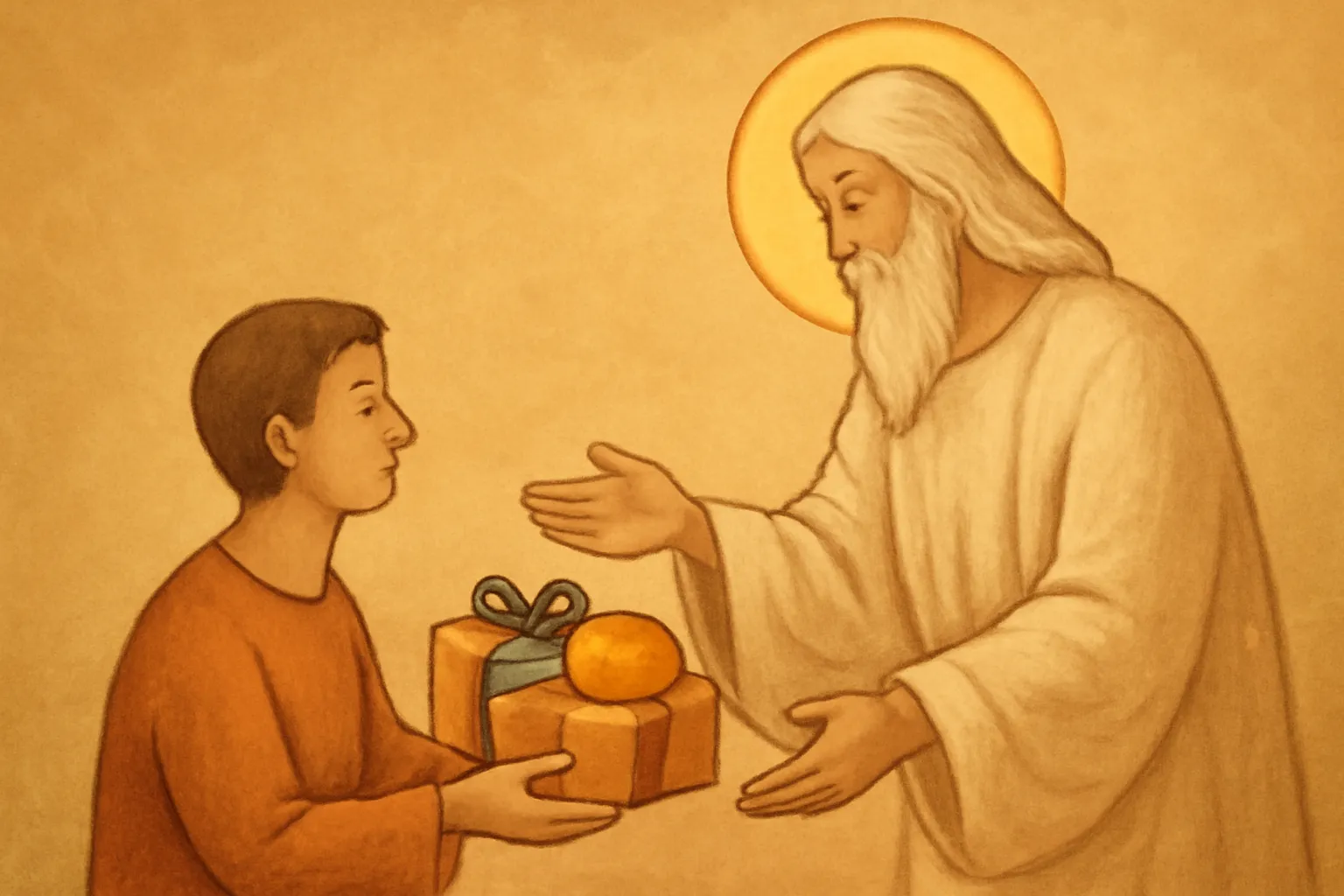
God Gives Gifts: How Divine Blessings Shape Your Life is a topic that invites reflection on how the world feels different when we recognize the generosity that many traditions attribute to a higher power. This article explores the idea that God gives gifts, not as a vending machine of favors, but as a transformative reality that can expand our vision, deepen our character, and reorient our choices. You will encounter a broad view of the ways in which divine blessings show up—through inner capacities, outer opportunities, and the relationships that sustain us. By looking at gifts from God from multiple angles, we can learn to recognize them, steward them well, and live with greater purpose.
To begin, it helps to define what is meant by divine gifts or gifts from God. Across different faith traditions, a gift is often described as more than a temporary favor; it is an empowering presence that enables a person to become more fully who they are meant to be. In this sense, the gifts God provides may be intangible—such as wisdom, courage, or peace—or concrete, such as supportive community, meaningful work, or the resources needed to pursue a worthy goal.
What is a gift from God?
Intrinsic gifts — inner capacities like discernment, patience, compassion, or resilience that help a person respond well to life’s challenges.
Talents and abilities — aptitudes that emerge through natural giftings and can be cultivated for personal purpose and the good of others.
Opportunities — doorways that appear at the right time, enabling a person to learn, serve, or influence in constructive ways.
Relationships — mentors, friends, family, and communities that support growth and provide guidance.
Resources — material or financial means that enable action toward meaningful ends, when used wisely and with generosity.
In many spiritual frameworks, God gives gifts in a way that invites a response: gratitude, stewardship, and intentional use. The concept does not imply a guarantee of effortless success, but rather a framework for recognizing meaning in life’s trials and opportunities. The gifts we receive can become catalysts for growth, a mechanism by which a higher power participates in the shaping of human lives.
The Nature of Divine Blessings
When people speak of divine blessings, they often mean a broad spectrum of experiences that invite a person to respond with gratitude and service. Blessings may arrive as quiet invitations to develop character, or as dramatic interventions that alter the course of a life. In any case, the underlying idea is that God’s generosity is not limited to monetary or material wealth; it is a comprehensive provision that touches mind, heart, and community.
Types of blessings commonly described as divine gifts
Spiritual gifts — grace-based capacities that help a person grow in faith and serve others, such as wisdom, faith, healing, or exhortation.
Gifts of character — virtues like humility, courage, perseverance, and integrity that endure under pressure.
Gifts of insight — clarity of thought, discernment, and the ability to see situations from new or compassionate angles.
Gifts of relationships — the presence of supportive partners, mentors, and communities that uplift and sustain a person.
Gifts of opportunity — chances to learn, to lead, or to contribute for the common good.
Gifts of provision — resources that enable you to meet needs, pursue vocation, or support others in meaningful ways.
Another way to frame divine blessings is to consider them as a cooperative dynamic: God gives gifts, and humans respond with gratitude, stewardship, and action. This relationship isn’t one-way; it invites ongoing engagement, risk, and reciprocity. When people approach life with this view, blessings become not only a source of comfort but a call to responsibility and creativity.
Gifts from God are not confined to specific moments; they can unfold over a lifetime and become especially transformative during certain seasons—times of transition, hardship, or opportunity. Recognizing how the gifts God provides operate in various contexts helps people stay attentive, patient, and hopeful. Below are some common patterns in which divine blessings shape life:
During challenge: gifts like perseverance and inner peace often surface as the ability to endure and adapt when circumstances are difficult.
During transition: opportunities to learn, re-align priorities, and pursue new paths emerge when old structures fall away.
In relationships: supportive communities, mentors, and family ties can be seen as gifts that provide safety, accountability, and encouragement.
In purpose: a sense of calling or vocation may arrive as a gift that guides decisions and energizes daily life.
In everyday abundance: small mercies—kind gestures, good health, better-than-expected outcomes—can be recognized as blessings that sustain hope.
Across stories and traditions, a recurring theme is that gifts from God are best appreciated when they are acknowledged openly and stewarded with intention. The more consistently a person practices gratitude and generosity, the more those gifts can deepen and multiply in daily life.
How to Recognize God’s Gifts in Everyday Life
Recognition is the first step in turning a blessing into a lasting force for good. Some people find it helpful to cultivate a daily or weekly habit of noticing and naming blessings, and to reflect on how these blessings influence decisions and relationships. Here are practical ways to recognize that you are receiving divine gifts:
Pause and reflect — set aside a few minutes to review the day and name small and large gifts you noticed.
Notice patterns — observe recurring themes in your life, such as persistent opportunities or recurring healthy relationships.
Check your responses — consider whether your reactions are grounded in gratitude, humility, and generosity.
Keep a blessings journal — write entries about when you sense God gives gifts and how you responded.
Share gratitude — express appreciation to others who contributed to your growth, reinforcing the social web of blessings.
Some people also find it meaningful to set aside regular times for prayer, meditation, or contemplation focused specifically on recognizing divine gifts. In many traditions, this practice deepens trust and fosters discernment about how to respond to blessings in ways that bless others.
When a gift arrives, it can carry multiple layers of meaning. Interpreting these layers responsibly helps prevent misreading or misuse of blessings. Here are some guiding ideas to consider:
Purpose — a gift may point toward a role, task, or mission that serves the broader community rather than personal comfort alone.
Maturity — some gifts require personal growth, discipline, or learning to be used well and ethically.
Limitations — every blessing has limits; recognizing boundaries helps you exercise wisdom and avoid pride or dependency.
Responsibility — blessings often come with a call to care for others, to steward resources, and to relinquish control when necessary.
Timing — timing matters; a gift may be more effective in one season than another, and patience can be a form of stewardship.
In healthy practice, interpretation is not about forcing a single meaning onto every situation. Rather, it is a process of listening, testing intuition against communal wisdom, and seeking alignment with compassionate aims. When interpretation is done with humility, the gifts God provides can illuminate paths that are generous and sustainable rather than flashy or self-serving.
Many readers find that the gifts God provides become more recognizable when faith-centered practices are in place. Prayer, meditation, and communal rituals can heighten awareness of blessings and align actions with a sense of purpose larger than individual ambition. Here are some practical practices that can help:
Gratitude routines — daily expressions of thanks for both expected and surprising blessings.
Stewardship commitments — intentional plans to use gifts for others, including volunteering, mentoring, or contributing to charitable causes.
Discernment processes — seeking wise counsel, testing choices against ethical principles, and consulting trusted mentors.
Community engagement — building a network that sustains growth and accountability, and that shares responsibilities.
Humility and generosity — practicing restraint and voluntary generosity as a response to perceived blessings.
Ultimately, the relationship between faith and gifts involves a dynamic cycle: God gives gifts, individuals respond with gratitude, communities support growth, and blessings deepen as people live with integrity and care for others. This cycle is not only about personal improvement; it is about contributing to a more just and compassionate world.
As people explore the idea that gifts come from God, a few questions commonly arise. Here are some clarifications that can help avoid misunderstandings:
Do gifts guarantee a problem-free life? No. Divine blessings often enable resilience, wisdom, and purpose, but life remains complex and sometimes painful. The gifts are resources for navigating hardship, not a shield from it.
Are gifts earned? Some gifts may develop through effort and character, while others arrive as grace—unearned and freely given. A healthy view honors both responsibility and gratitude.
Why do some people seem to receive more blessings? Perceptions of abundance vary, and gifts may be distributed in ways that cultivate different forms of growth, community impact, or testing of character. This question invites humility and compassion rather than envy.
How should we respond to tests or trials that feel like gifts? Trials can refine faith, increase empathy, and teach reliance on higher wisdom. The key is to seek positive meaning and constructive action within limitation.
Can gifts be misused? Yes. Like any power, gifts require discernment and ethical stewardship to ensure they uplift rather than harm others.
When discussing these topics, it helps to distinguish between gifts as opportunities for growth and gifts as guarantees of particular outcomes. This distinction supports a mature spirituality that remains hopeful without denying challenge.
Stories and Traditions: How Different Voices Speak About Divine Gifts
Across cultures and sacred traditions, the language of divine blessings and the gifts God provides recurs in diverse forms. Some common threads include gratitude, service, and a sense of being part of something larger than oneself. While specific narratives differ, they often converge on several themes:
The idea that gifts invite responsibility rather than privilege alone.
The conviction that blessings are amplified when shared with others and used to alleviate suffering.
The belief that hardship can be a school for growth, where gifts such as patience or faith deepen under pressure.
The sense that community enhances the experience of gifts, turning private blessings into communal resources.
For readers who enjoy cross-traditional insight, considering how different communities name and respond to divine gifts can broaden understanding and foster greater empathy. It also reminds us that the experience of receiving blessings is a universal human topic, even as the vocabulary and rituals may differ.
Practical Ways to Recognize and Use Divine Gifts
If you want to move from recognizing blessings to actively using them for good, here are concrete steps. Each step emphasizes responsible engagement with the gifts God provides and avoids complacency or ego-driven use of power:
Identify your gifts — take stock of your talents, passions, and capacities that could benefit others as well as yourself.
Test your assumptions — seek feedback, reflect on outcomes, and adjust how you apply your gifts to ensure they align with ethical aims.
Set meaningful goals — translate your gifts into specific, achievable actions that serve a larger good.
Collaborate — partner with others who complement your strengths and share a common vision for positive impact.
Practice generosity — dedicate time, money, or resources to causes and people in need, ensuring that blessings extend beyond the self.
In addition to actions, consider cultivating a mindset that remains teachable. The belief that God gives gifts can be a reminder that wisdom often comes from listening to others, learning from mistakes, and staying open to growth that transcends personal achievement.
Ethics play a central role in how divine blessings are understood and exercised. The moral horizon around gifts includes questions about privilege, responsibility, and justice. A thoughtful approach to gifts from God acknowledges that not everyone receives the same kinds of blessings, and that fairness often involves lifting others as you rise. Here are guiding principles to maintain ethical integrity when blessings arrive:
Gratitude as practice — gratitude is not only acknowledgement but a posture that shapes behavior toward generosity.
Stewardship over ownership — treat blessings as entrusted resources that should be managed for the greater good rather than personal accumulation.
Justice and inclusion — use gifts to empower those who are marginalized, ensuring opportunities to flourish are accessible to all.
Humility — recognize that gifts can be a sign of grace rather than personal achievement alone.
Accountability — invite accountability from trusted peers to prevent misuse and preserve ethical integrity.
These principles help ensure that the claim gifts from God translate into actions that strengthen communities and promote well-being for the vulnerable.
Living as a Recipient and a Giver
In the end, the idea that God gives gifts invites a dual posture: to receive with humility and to give with generosity. Recognizing blessings is not about counting favors; it is about allowing divine gifts to reframe priorities, deepen compassion, and catalyze positive change. When you approach life with the conviction that blessings are real and purposeful, your daily choices—how you work, how you relate to others, how you invest your time and resources—become a form of active response to the gifts you have received.
Maintaining a healthy relationship with divine gifts involves ongoing practice, discernment, and community. Remember that the gifts God provides are often best realized when shared. By cultivating gratitude, exercising stewardship, and engaging in acts of service, you can transform blessings into a life that reflects better possibilities for yourself and for those around you. Whether you interpret gifts as spiritual endowments, relational capital, or practical provisions, the core idea remains: God gives gifts in ways that invite you to grow, contribute, and live with purpose.
As you continue your journey, consider keeping a simple habit: name one gift you noticed today, thank someone who contributed to it, and plan one tangible step to use that blessing for the good of others. Over time, you may find that the presence of divine gifts becomes a steady rhythm in your life—a rhythm that shapes your character, broadens your horizon, and sustains your hope through every season.
Anointed with Holy Spirit: What It Means and How to Walk in His Power Today Throughout biblical history, the phrase anointed with the Holy Spirit carries weighty significance. It signals a distinct moment of divine presence, empowerment, and commissioning for purpose. In the Christian tradition, the idea of being anointed by the Spirit is not…
In a world that moves quickly and often drains our attention, finding ways to fill with spirit is less about a single spark and more about building a daily rhythm. This guide outlines seven practical, research-informed methods to invite more energy, vitality, and purpose into ordinary moments. Whether you feel drained by meetings, overwhelmed by…
Understanding the Idea of God Giving Gifts When we speak of God giving gifts, we enter a conversation about how divine blessings appear in human experience. This topic covers more than luck or random chance; it invites us to consider how a benevolent Creator may reach into daily life with purpose and care. Throughout history,…
This article explores the seven gifts of the Holy Spirit and how to recognize and practice them in everyday life. Overview of the Seven Gifts of the Holy Spirit The Christian tradition holds that there are seven gifts of the Holy Spirit that empower believers to live in closer union with God and to respond…
Anointing Sermon: 5 Keys to Delivering a Spirit-Led, Powerful Message An anointing sermon is more than a well-crafted outline or a polished delivery. It is a message that carries the presence of God into the meeting, stirring faith, hope, and transformation in the hearers. In Christian ministry, many preachers yearn for that moment when the…
Gifts from God are a central thread in the biblical narrative, weaving together the idea that life itself, abilities, and opportunities come from a generous Creator. This article explores meaning, blessings, and how to use them, drawing on a range of biblical verses that speak to the nature of divine gifts, their purposes, and the…