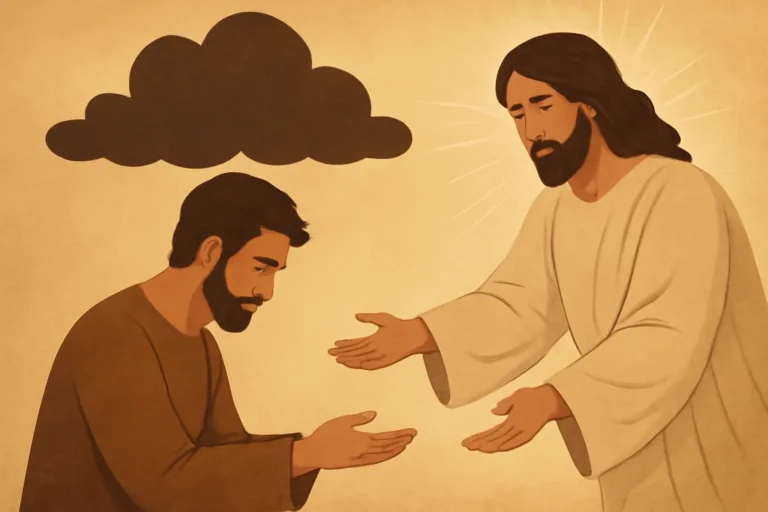
The phrase “the Lord will never leave you nor forsake you” echoes through many faith traditions as a anchor for hope in times of trial. It is more than a comforting slogan; it is a covenantal promise that speaks to the heart of what many people believe about God’s character. In this article, we will explore God’s faithfulness, the ways this assurance can bring comfort, and how it can illuminate a path of durable hope for everyday life. We will consider biblical foundations, practical applications, and common questions, all aimed at helping readers understand and experience the presence of a faithful God in ways that feel real and transformative.
When people speak of the Lord’s unwavering presence, they are often referring to a conviction that God’s relationship with humanity is not episodic or contingent on mood, circumstance, or human merit. The assurance that God will not abandon his people emerges from a long arc of biblical storytelling in which God binds himself to humanity through covenants, love, and steadfast mercy. In the language of scripture, to be faithful is to be reliable, constant, and trustworthy in ways that exceed human ability to keep promises under pressure. The result is a life lived with a posture of trust, even when circumstances are unclear or painful.
Biblical foundations
Joshua 1:5 — “I will never leave you nor forsake you.” A direct promise given to Joshua as he steps into leadership after Moses, signaling that divine presence accompanies prevailing challenges.
Deuteronomy 31:6 — “Be strong and courageous. Do not fear or be in dread of them, for the LORD your God is the one who goes with you. He will not leave you or forsake you.”
Deuteronomy 31:8 — “The LORD himself goes before you and will be with you; he will never leave you nor forsake you.”
Hebrews 13:5 — “Never will I leave you; never will I forsake you.” A New Testament reiteration that anchors believers in Christ’s presence.
Beyond these verses, the broader biblical narrative frames God’s faithfulness as a consistent feature of divine character: immutability, steadfast love, faithfulness in keeping promises, and a deep desire for communion with creation. When we say the Lord will never leave you nor forsake you, we are dialing into a theological reality with personal implications: God is present, God is listening, and God is working through history and personal life to redeem and sustain.
God’s Faithfulness Through Time: An Unchanging Character
To understand the assurance that the Lord will not abandon you, it helps to look at God’s character as described across biblical literature. Faithfulness is not a passing mood; it is part of who God is. From the creation narrative to the prophetic writings, the Psalms, and the teachings of Jesus, the consistent thread is that God’s presence endures beyond momentary circumstance. This is not a guarantee that life will be free of trouble, but it is a guarantee that God’s presence is with you in the trouble, offering guidance, strength, and a path forward.
Presence over absence: The foundational truth is not just that God sees you from a distance, but that you are held in the divine presence at all times. This changes how one faces fear, uncertainty, or loss.
Love that endures: Sacred love is described as steadfast and unshakable, outlasting betrayal, disappointment, and pain. This is the core of the assurance that you are known, valued, and kept.
Companionship in weakness: God’s strength is often most evident when human strength fails. The promise to remain with you reframes weakness as a place where divine power can be displayed.
Trustworthy guidance: When circumstances are unclear, the faithful response is to trust that God has not left you without direction, even if the path is not immediately obvious.
In this sense, the statement “the Lord will never leave you nor forsake you” is not merely about endurance; it is about a dynamic relationship. It invites a daily awareness of God’s activity in ordinary moments—in work, in relationships, in celebration, and in sorrow. The faithful response to this reality is a life oriented toward gratitude, courage, and ongoing trust, even when clarity is scarce.
Comfort in Suffering: The Presence that Remains
The experience of suffering can shake beliefs and challenge the heart’s sense of safety. Yet for those who cling to the conviction that God is with you in the valley, there is a distinctive form of comfort. Comfort here is not a quick remedy or a guarantee of relief, but a sustained sense that you are not alone, and that divine resources—grace, mercy, and wisdom—are available in the midst of pain.
Ways the promise informs hardship
Presence before all else: The immediate assurance is that you are not abandoned, even when the pain is intense or the path forward is unclear.
Companionship that understands: God’s character is depicted as compassionate and attuned to human fragility. This invites a kind of trust that acknowledges vulnerability while remaining hopeful.
Strength beyond yourself: In moments of weakness, the belief that you are held by a faithful presence can translate into resilience, perseverance, and a willingness to endure until relief comes.
Hope that reframes suffering: Suffering is not meaningless when framed within a larger story in which God is at work toward a redeemed outcome.
Across scriptural narratives, individuals experience fear, confusion, or abandonment from human circles, yet repeatedly encounter a divine invitation: to turn toward the presence that will not fail. When you hear the Lord will never leave you nor forsake you, you may be prompted to a posture of prayer, lament, and honest conversation with God, trusting that the ground below is steady even when the wind lashes above.
Hope, in the light of God’s faithfulness, is not a vague optimism but a concrete expectation grounded in divine promises. The prospect of future grace, restoration, and reconciliation shapes how believers view tomorrow. When we affirm God’s faithfulness toward you, we declare that the arc of life is moving toward a good outcome, even if the present moment feels opaque. This is central to Christian hope, but it also resonates with broader spiritual traditions that prize steady presence and steadfast love as the foundation for future well-being.
Dimensions of hope in daily life
Personal renewal: The assurance of God’s ongoing presence can fuel moral and spiritual growth, encouraging habits that align life with love, truth, and justice.
Relationships reoriented: When you trust that you are not forsaken, you may become less reactive to relational hurts and more able to show grace and mercy to others.
Purpose under pressure: Hope preserves a sense of purpose during delays and detours, reminding you that you are part of a larger narrative in which divine presence carries you forward.
Peace in uncertainty: A stable sense of God’s nearness can create inner peace that transcends circumstances, enabling calm discernment and steady action.
In this way, the proclamation “the Lord will not leave you nor forsake you” becomes a wellspring of courage. It invites believers to imagine a future where trust in divine companionship shapes decisions, attitudes, and the rhythms of daily life. Hope, grounded in immovable character, becomes a resource that sustains faith when the road grows long.
Practical Ways to Experience Presence: Living with Assurance
Belief, even when persuasive, benefits from concrete practice. If you want to experience more fully the sense that the Lord remains with you, try incorporating practices that align your daily life with that truth. Here are practical pathways to live from the confidence of divine companionship.
Daily disciplines for awareness
Scripture meditation: Regularly read passages that articulate God’s faithful presence, such as Joshua 1:5 or Psalm 23, and reflect on what those words mean in your current context.
Memorization: Commit key verses to memory so you can recall God’s promises in moments of trial:
“Never will I leave you; never will I forsake you.”
“The LORD himself goes before you and will be with you.”
Prayer as dialogue: Approach prayer not only as requests but as a conversation that acknowledges God’s presence, asks for guidance, and offers gratitude for moments of grace.
Lament with hope: Practice honest lament when pain is real, followed by a return to trust in God’s steadfast love.
Communal practices and shared life
Worship and gathering: Engage in worship, singing, and corporate prayer that celebrate God’s constancy and invite communal encouragement.
Mentoring and discipleship: Learn from others who have navigated seasons of difficulty, and offer mentorship to those who are newer in faith.
Kindness as testimony: Extend practical generosity and mercy, embodying the faithful presence in tangible ways that witness to enduring love.
Sabbath rhythms: Rest in the assurance of God’s care, acknowledging that not every moment must be spent striving for control.
As with any profound theological claim, questions arise. Here are some common questions and brief clarifications that reflect how believers wrestle with the idea that the Lord will never leave you nor forsake you.
Does this mean I will never experience pain? No—pain and difficulty can persist, but the promise is that God’s presence accompanies you through pain, offering companionship and strength rather than distance.
What about periods of spiritual drought? Even in dryness, the assurance remains that God is near in some form—perhaps through a quiet drawing of the heart, through others, or through the growing of faith that is unseen but genuine.
How can I know this is true for me personally? The experience varies from person to person, but the invitation is to test the promise in daily life—through prayer, study, community, and acts of trust—and to observe whether you sense a dependable and sustaining nearness over time.
Is this promise conditional? In classical understandings, the core promise is unconditional in its source (God’s faithfulness). Human reception involves choosing to trust, respond, and live in light of that truth, which produces transformation shaped by grace and obedience.
Receiving and Responding to the Lord’s Faithfulness
Throughout history, people have found that the Lord will never leave you nor forsake you is not merely a doctrine to recite but a reality to inhabit. It invites a life oriented toward trust, courage, and compassionate action. When you anchor yourself in the truth of God’s unchanging presence, you gain a footing that endures when storms rage, when silence feels heavy, and when the future looks uncertain. The promise becomes a lens through which you read the events of your life: not as isolated incidents, but as moments within a larger story in which divine faithfulness is the constant thread weaving experience into meaning.
In practical terms, embracing this assurance means cultivating habits that keep you tethered to the reality of God’s companionship. It means choosing to rest in that presence, even when you cannot fix every problem or predict every outcome. It means embodying a hope that does not deny pain but transcends it through the confidence that you are held by a trustworthy, loving, and active Creator. As you move forward, let the repeated affirmation of the Lord’s steadfast presence shape your expectations, your prayers, and your daily choices. In living with this awareness, you may discover a profundity of peace, a height of courage, and a depth of joy that only a faithful God can offer.
The lure and limits of a familiar saying Across cultures and centuries, many people have turned to a simple, comforting maxim in moments of *pain, pressure, or loss*: “God does not give you more than you can handle.” The sentiment is meant to offer reassurance, a reminder of divine companionship, and a prompt to persevere….
Across generations and cultures, many people have found comfort and courage in the conviction that God is my protector. This idea captures the sense that the divine presence watches over, defends, and sustains believers in moments of danger, fear, or uncertainty. The phrase can be spoken as a personal confession, a whispered prayer, or a…
Cast Your Burdens Upon the Lord: Finding Peace Through Faith In a world that often moves faster than our thoughts, many people find themselves carrying heavier loads than they were ever meant to bear. Cast your burdens upon the Lord is more than a well-worn phrase; it is a principle that has offered solace to…
Give Your Problems to God Bible Verse: Scriptures for Peace In a world filled with noise, worry, and frequent uncertainty, many readers turn to the Bible for guidance on how to handle burdens. The idea of giving your problems to God is a recurring theme throughout Scripture, offering a pathway from anxiety to divine peace….
The Eternal Promise at the Core Across generations and cultures, the idea that God will never leave us nor forsake us has served as a compass for faith, a source of courage in trials, and a steady anchor for hope. This promise is not a mere feeling or a vague sentiment; it is a theological…
In times of hardship, choosing how we respond can be the difference between drift and direction. A simple shift in perspective—from listening to fear to leaning into faith—can illuminate a path through the darkest moments. This article explores faith over fear as a practical, repeatable approach to resilience. It offers ideas, exercises, and stories to…