Why the command to honor mother and father matters
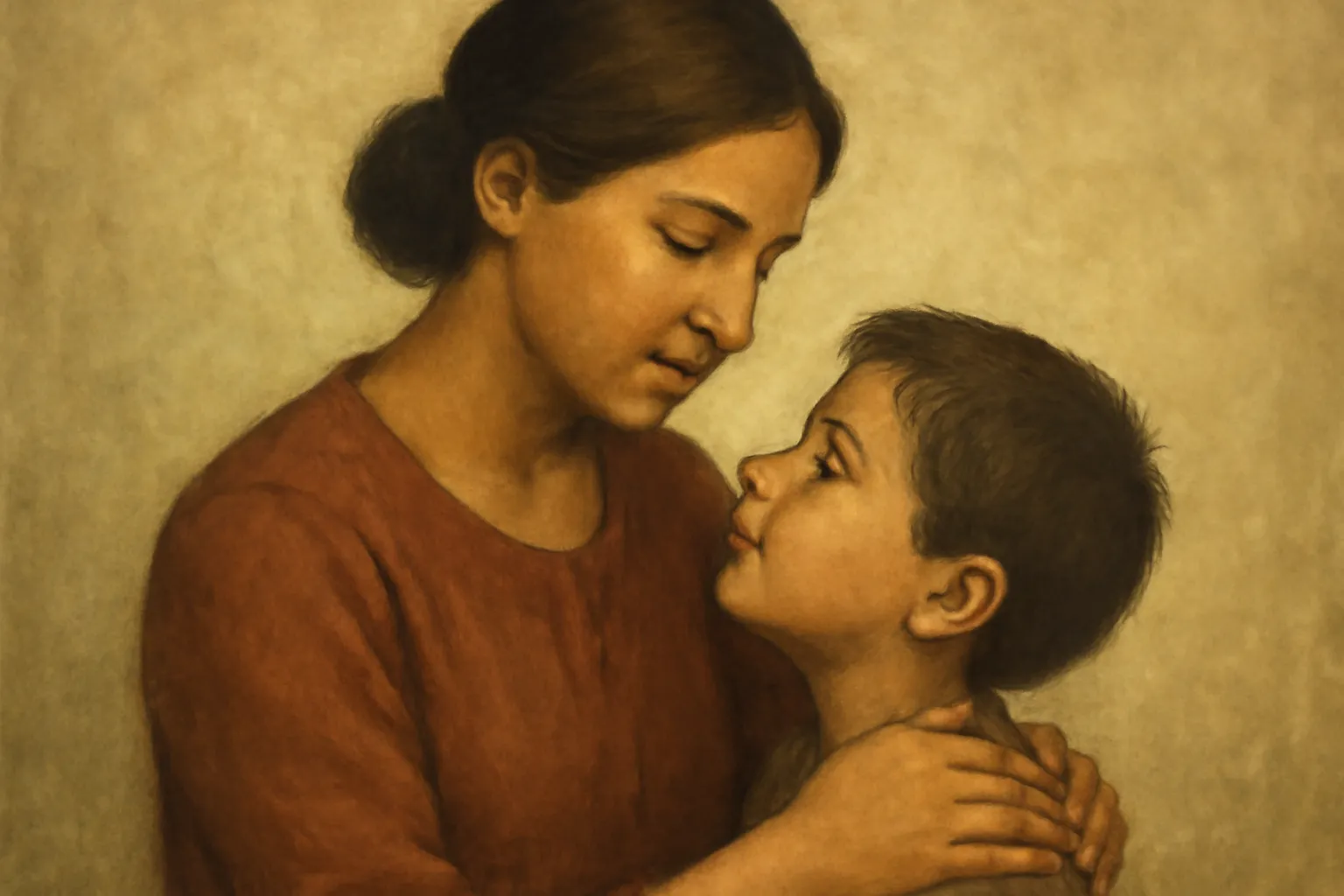
The biblical command to honoryour father and your mother sits at a foundational crossroads of faith, family, and public life. It appears in the Ten Commandments, in the books of the Old Covenant, and, for Christians, is echoed and reinterpreted in the New Testament. This ancient directive is not merely a rule about manners; it is a statement about social order, intergenerational responsibility, and the cultivation of character. To study it with care is to explore how people live with gratitude for those who have given life, education, and guidance, even when relationships are complicated by pain, disagreement, or distance. In this article, we will survey the meaning, the historical context, the different translations, and the practical guidance that readers today can apply to families, communities, and institutions that care for the vulnerable and aging alike.
The obligation to honor parents is anchored in several biblical passages, most centrally in the Old Testament and then revisited in the New Testament. Its phrasing has varied across languages and eras, yet the core idea remains recognizably consistent: a duty to value, respect, and care for one’s parents as part of one’s life before God.
Key verses and their languages
Exodus 20:12 (KJV): “Honour thy father and thy mother: that thy days may be long upon the land which the Lord thy God giveth thee.”
Deuteronomy 5:16 (NRSV, echoing the same command in a later speech): “Honor your father and your mother, as the Lord your God commanded you, so that your days may be long and that it may go well with you in the land that the Lord your God is giving you.”
Ephesians 6:2 (New Testament, Pauline epistle): “Honor thy father and mother”—which is the first commandment with a promise—“that it may be well with you, and that you may live long on the earth.” (paraphrased in modern translations)
Colossians 3:20 (New Testament): “Children, obey your parents in everything, for this pleases the Lord.”
Variations across translations illustrate two important shifts: a linguistic widening of honor beyond simple obedience and a broader view of respect that includes affection, listening, gratitude, and moral support. Different versions emphasize different facets: some foreground obedience, others foreground respect and care within the family. When we speak of the command to honor parents, we are speaking about a holistic posture toward those who have borne and raised us, shaped our understanding of right and wrong, and often supported us in times of need.
What does honor mean in this command?
The English word honor translates a range of Hebrew and Greek concepts. In the Hebrew Bible, the root idea behind kavod carries weight, significance, and value. To honor someone is to acknowledge their dignity, to treat them with seriousness, and to confer respect that is due to them because of their role, age, and contributions. In the New Testament, the Greek term timaō for honor likewise carries the sense of esteem, yet the surrounding context can broaden the meaning to include obedience, allegiance to God, and care for the vulnerable within family life.
Consider these facets of honor as they apply to the command in Exodus and its echoes in the New Testament:
Respect for authority and experience—recognizing the lessons learned from parents’ labor, discipline, and wisdom.
Gratitude for sacrifices made—acknowledging the sacrifices of time, resources, and emotional energy that parents often invest in their children.
Obedience in appropriate contexts—especially in matters of safety, moral instruction, and family virtue, while recognizing limits where conscience or safety calls for discernment.
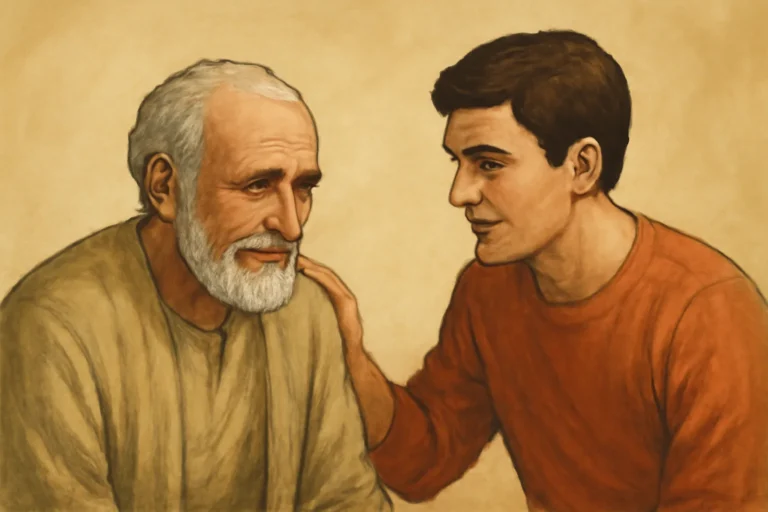
Care for aging parents—an expression of covenantal gratitude that translates into practical support, presence, and assistance in daily life.
Communication that honors the relationship—truthful, respectful, and compassionate dialogue that maintains dignity on both sides.
To know the meaning of honor in daily life, it helps to distinguish honor as a posture of the heart from narrow, rule-bound compliance. The command invites a disposition that seeks what is best for others and the flourishing of family life, while also recognizing that honor does not justify enabling harm or rejecting one’s own deeper conscience and the call to speak truth with love when necessary.
Historical and cultural context
To understand the charge to honor parents, we must step into the social world of the ancient Near East and, later, the early Christian communities. Family was the primary social unit; elders held a respected position, and the care of aging parents was a shared obligation, often integrated with land inheritance, property, and communal life. The command is embedded in a covenant framework: blessing and flourishing are linked to fidelity to God and faithful family life. The text often ties personal conduct to a broader political and social order—the idea that households operating with honor and integrity contribute to a just and stable society.
In many ancient societies, honoring parents was not simply good manners; it was a legal and ethical duty that protected younger members and upheld the continuity of family lines and tribal memory. The command also acknowledges that children owe gratitude to those who sheltered and educated them, enabling the next generation to inherit both material resources and cultural wisdom. Over centuries, Jewish and Christian traditions have interpreted this duty in ways that emphasize care for elders, intergenerational kinship, and the moral character that is formed in the household.
The covenantal blessing: honor and long life
A recurring motif in these passages is the promise attached to obedience or honor: that one may live a long life and experience well-being in the land God gives. In Exodus 20:12 and Deuteronomy 5:16, the promise of blessing is bound to the covenantal relationship between God, the people, and their families. The extended formulation often reads as:
“That thy days may be long upon the land which the Lord thy God giveth thee.”
This linkage between honor and prosperity should be understood in a holistic way. It does not guarantee individual physical longevity as a kind of superstition, but it does point to the idea that societies that honor parents and nurture healthy family life tend to be more stable, just, and hospitable. The principle invites readers to consider how family dynamics contribute to the common good, how respect for elders might translate into community wisdom, and how gratitude for family origins undergirds civic virtue.
New Testament reflections: shifting emphasis and broader harmony
The New Testament reinterprets the command in light of the gospel’s broader ethics. In Ephesians 6:2, the command is phrased as a direct imperative, and the verse is presented with a sacred undertone: “Honor your father and mother” appears alongside the promise of well-being and long life. The exact wording in English translations varies, but the intention remains to connect familial duty with the divine will and with the flourishing of the whole person and community.
In Colossians 3:20, the emphasis shifts slightly toward obedience within the family setting: “Children, obey your parents in everything, for this pleases the Lord.” Here, the emphasis is on the child’s conduct in practical, daily life, and it frames parental instruction as aligned with the Lord’s will. When read together with the Exodus-Deuteronomy tradition, these New Testament passages invite readers to see honor and obedience as overlapping but not identical expectations, each appropriate to different stages of life and communal needs.
Different translations nuance the text in distinct ways. For example:
The KJV uses archaic language that foregrounds honor as a timeless moral virtue.
The NIV tends to modernize the language while preserving the command’s ethical core.
The ESV and NRSV balance precision with readability, often highlighting the covenantal dimension of obedience and respect.
Paraphrases such as The Message emphasize relational dynamics, describing the command in terms of care, responsibility, and practical love within families.
Practical guidance for today: living the command in varied family contexts
How can readers translate the ancient call to honor parents into contemporary practice? Consider the following guidance, which aims to preserve dignity, safety, and mutual flourishing in diverse family situations.
Respectful communication: Speak with gentleness, listen deeply, and seek to understand your parents’ perspective before responding.
Gratitude and acknowledgment: Regularly acknowledge the sacrifices and contributions your parents have made, whether through words, acts of service, or small daily gestures.
Care and support: Provide practical help with daily needs, healthcare, transportation, financial planning, and emotional support, especially as parents age.
Boundaries when needed: Recognize times when healthy boundaries are necessary to protect all parties from harm; honoring does not mean abandoning self-care or enabling abuse.
Prudence and discernment: Seek wise counsel if there is a conflict between a parental instruction and moral or legal considerations that protect the vulnerable or the innocent.
Public and private fidelity: Show honor in both private conversations and in public settings, reflecting the integrity of the family unit in the wider community.
Potential applications in different life stages
Childhood and adolescence: Esteem parents’ guidance, align with household norms, and learn from parental experience as a school of life.
Early adulthood: Practice mutual respect as you become more independent, while maintaining gratitude and care for aging parents.
Care for aging parents: Develop a plan for ongoing support, coordinate with siblings if applicable, and seek professional assistance when needed.
Ethical boundaries in caregiving: If a parent’s requests conflict with safety or honest living, seek compassionate, lawful, and well-reasoned solutions that protect everyone’s dignity.
Common questions and nuanced answers
Is honor unconditional obedience?
Not necessarily. Honor includes respect and care, but both Old and New Testament contexts recognize that loving integrity may require discernment. In cases of harm, abuse, or coercion, honor does not obligate a person to endure harm. The call to care for the vulnerable remains paramount, and wisdom may require seeking help from trusted counselors or authorities.
What about parents who are imperfect or abusive?
Honoring a parent in such circumstances should be understood through careful, compassionate boundaries that safeguard the child’s safety and well-being. The biblical pattern often emphasizes the higher loyalties to God and neighbor, including oneself and others who might be harmed. It is appropriate to seek support from community leaders, clinicians, or legal authorities when necessary.
How can this command apply across different cultures and family structures?
While the historical context reflects specific family dynamics, the underlying principle—valuing those who shaped our lives, acting with gratitude, and supporting elders—transcends culture. The form may look different: in some communities, care for aging parents is a collective family effort; in others, it involves formal elder care resources. The heart of the command remains about respect, grace, and faithful responsibility.
Does honoring parents conflict with personal conscience or religious conviction?
In a healthy religious ethics framework, honoring parents should never require compromising core moral convictions or the well-being of others. In cases where family demands conflict with conscience or ethical commitments to justice, it is wise to seek counsel, balanced discernment, and approaches that preserve life and dignity for all involved.
Ethical and theological reflections: balancing tradition with social reality
The command to honor parents invites ongoing reflection about how tradition interacts with modern life. The ethical challenge is to preserve the spirit of the command—care, respect, gratitude, and communal flourishing—while adapting to changing social circumstances. Theological commentary often stresses that honor is oriented toward God and toward the neighbor, including parents, but not at the expense of truth, safety, or justice. In practice, Christians and others who engage with this command are called to nurture healthy family ecosystems where aging parents are cared for with dignity, where young people learn to listen and obey in appropriate settings, and where elders retain a voice in family decisions that affect everyone’s common good.
Another layer of interpretation concerns intergenerational responsibility as a form of stewardship. Parents invest in the next generation’s well-being, education, and moral formation; in turn, children practice stewardship by honoring, supporting, and passing on wisdom. This reciprocal trust shapes family identity and can become a powerful resource for the broader community—schools, churches, and civic groups alike.
To illuminate how the ancient command translates into contemporary life, consider a few representative scenarios that communities and families often encounter. These mini-case studies illustrate how honor is best understood as a living virtue rather than a checkmark on a moral to-do list.
Case study 1: A family navigating aging with dignity
In a household where one parent begins to experience mobility challenges and health concerns, the children undertake a plan that combines in-home support, community services, and regular family time. The aim is to honor the parent’s autonomy while ensuring safety and appropriate care. Practical steps include coordinating medical appointments, arranging transportation, and maintaining daily routines that foster a sense of purpose and belonging. The emphasis is on respect and gratitude, not merely duty, which strengthens the parent-child relationship even during difficult seasons.
Case study 2: A young adult returning home for a season
A college graduate returns to the family home for a period of transition. The household negotiates roles with mutual respect, boundaries, and open dialogue about expectations. The guiding principle is that honor includes listening, sharing responsibilities, and recognizing the enduring value of parental experience while also pursuing individual growth and independence in the long term.
Case study 3: Navigating conflict with a parent while maintaining honor
In some cases, disagreements arise between a child and a parent. A constructive approach centers on gentle communication, offering space for apology when needed, and seeking reconciliation while safeguarding one’s own mental and emotional health. This scenario highlights that honor is not a one-time act but an ongoing habit—an orientation toward wholeness that can tolerate conflict, repair, and continued care in time.
Families and faith communities play a pivotal role in teaching younger generations what it means to honor parents. This involves modeling behavior, creating spaces for intergenerational dialogue, and providing practical opportunities for service within the home and the wider society. The educational aim is to cultivate a sense of moral imagination—the ability to discern what is just, kind, and wise in real-life situations—so that children who grow up hearing about honor will be equipped to embody it as adults.
Model healthy behavior: show respect, patience, and humility in interactions with parents.
Encourage gratitude rituals: prayers, blessings, or simple expressions of thanks for parental guidance.
Provide service opportunities: involve children in caregiving tasks, elder-friendly volunteering, or community outreach that honors the dignity of older adults.
Discuss limits with care: teach that honoring parents does not require enduring abuse or harm; talk about boundaries and safety within a compassionate framework.
The biblical injunction to honoryour father and your mother endures not only as a historical artifact but as a living call to cultivate character, civic virtue, and compassionate family life. Across centuries, cultures, and languages, the core idea remains: to treat one’s parents with dignity, gratitude, and care is to participate in a larger moral project that honors God, serves others, and contributes to the flourishing of the community. The prophet of old could not have anticipated every modern challenge, yet the timeless wisdom remains relevant: the practice of honor nurtures trust, preserves memory, and reinforces the bonds that sustain families and societies.
Further reflections: interweaving reverence, mercy, and responsibility
As readers reflect on the command to honor parents, it is helpful to keep three guiding strands in view: reverence for the gift of life and parental instruction, mercy toward the imperfect people who raised us, and responsibility toward both the family’s welfare and the common good. When these strands are woven together, honor becomes not a merely ceremonial gesture but a dynamic practice that sustains relationships, fosters healing, and models a humane way of living.
a balanced, hopeful pathway for families
In the end, the directive to honormother and father invites readers into a balanced, hopeful pathway. It asks for respect without naiveté, gratitude without blind allegiance, and care that honors both the elderly and the child’s own conscience. The bible verse on honor is not a single instruction but a doorway into a comprehensive vision of life—one that honors the past, sustains the present, and influences future generations through acts of faithful, compassionate living.
Esther is one of the most powerful stories in the Bible about courage, faith, and deliverance. In this book, a Jewish orphan becomes queen, a plot unfolds in the Persian Empire, and a people is saved through bold trust in God and wise human action. The verses in Esther teach readers how to respond to…
In the Bible, the language of curses and deliverance sits alongside a larger story of God’s faithfulness, redemption, and renewal. For many believers, the question of how to handle personal or generational curses is not merely academic—it touches identity, freedom, and daily living in Christ. This article offers a pastorally informed, scripture-centered look at breaking…
Embracing Bible Verse Power in Daily Life In a world filled with noise and distraction, the power of Scripture can be a steady anchor for the heart. The phrase bible verse power captures a timeless truth: God’s Word carries a transforming energy that can realign our thoughts, refresh our spirit, and strengthen our faith when…
Bible Verses About Caring for One Another: Scripture Passages on Love Across the sweep of Scripture, caring for others is not a peripheral virtue but a central mark of a life shaped by love. The Bible invites believers to move from feeling compassion to practicing it in tangible ways—through mercy, generosity, hospitality, and steadfast support…
Why Respect for Elders Matters in the Bible In many biblical traditions, respect for elders is not merely a cultural courtesy but a spiritual posture that honors God Himself. The Bible presents respect for the elderly as both a social discipline and a covenantal virtue that shapes families, churches, and communities. Across the Old and…
The end of the work week is more than just a calendar change. Friday marks a doorway between effort and rest, between the grind of tasks and the promise of time with family, friends, and God. For many people, Friday becomes a deliberate moment to pause, refocus, and invite spiritual strength for the weekend ahead….