In Jewish practice, the bread blessing — commonly called the Blessing over bread or the Blessing for lehem — stands at the intersection of ritual, gratitude, and daily life. Known in Hebrew as Hamotzi Lechem Min HaAretz, this blessing is recited before eating bread made from grain that has been baked, and it opens the meal with a formal expression of thanks to God for sustenance. Across communities and generations, the practice of reciting the blessing over bread (or the bread prayer) is one of the most encountered and most enduring rituals in Jewish kitchens, synagogues, and homes.
The phrase bread prayer encompasses more than a single line of text. It represents a tradition with roots in Biblical language, rabbinic interpretation, and daily observance. In this article, we explore the origins of the bread blessing, unpack its meaning, and offer practical guidance on how to recite the blessing in contemporary life. We also consider how the ritual adapts to different Jewish customs—Ashkenazi, Sephardi, Mizrahi, and others—while preserving the core sense of gratitude for bread from the earth.
Origins of the Bread Blessing: From Bible to Rabbinic Practice
The bread prayer is anchored in a long chain of Jewish legal and liturgical development. Its core blessing—asking God to bless the food we receive—emerges from early rabbinic interpretation of biblical language about providence and daily nourishment.
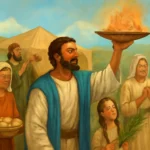
Biblical imagery and agricultural language: The blessing speaks of bread (lechem) as a staple product of the earth, produced by human labor in concert with divine bounty. The phrase “min ha-aretz” — from the land — signals that bread is not merely a sustenance but a gift that depends on soil, rain, grain, and cultivation.
Rabbinic codification: The blessing over bread was formalized in the rabbinic period as part of a broader system of blessings (birkot ha-ramim) designed to sanctify ordinary acts. The blessing appears in the Talmudic discussions about when and how to recite blessings after washing hands and before eating. The tradition emphasizes gratitude, intention, and the proper sequence of blessings within a meal.
Two loaves on Shabbat: Lechem Mishneh: On Shabbat (and certain holidays), a special practice arises: bread is often represented by two loaves on the table, symbolizing the morning manna that fell in a double portion on Shabbat. This connection to the biblical narrative of daily sustenance underscores how the bread prayer is not merely a formula but a reminder of covenantal trust and gratitude.
Geographic and communal variation: Over centuries, various Jewish communities developed distinct pronunciations, chants, and customs surrounding the bread blessing. While the core text remains the same, differences in liturgical tunes, order of prayers, and ritual details reflect a living tradition that adapts to community practice and language.
The Text and Meaning of the Bread Blessing
The standard blessing over bread is a short, focused blessing that acknowledges God as Melech ha-olam — the King of the Universe — and gives thanks for the production of bread from the earth. Here is the traditional form:
English translation: Blessed are You, Lord our God, King of the Universe, who brings forth bread from the earth.
The core terms in this blessing carry specific meanings:
Baruch Atah Adonai Eloheinu Melech ha-olam — a standard opening that identifies God as sovereign and sanctifies the act that follows.
Hamotzi Lechem — a compact verb phrase indicating the action of causing bread to emerge or be produced, signifying nourishment through agricultural labor.
Min HaAretz — “from the earth,” underscoring that bread is a product of the land and its cycles.
Different communities may introduce slight pronunciation shifts or insert tradition-specific transliterations, but the essential sense remains: gratitude for sustenance provided by God through the earth and human effort.
In addition to the core blessing, many households and communities connect the bread prayer to other ritual practices:
Netilat Yadayim (the ritual washing of hands) is typically performed before eating bread, as a preface to eating and to cleanse the hands prior to partaking in a sacred act.
Birkat Hamazon (the Grace After Meals) follows a meal that includes bread, expressing ongoing gratitude for sustenance and provision.
In some traditions, a brief blessing or benediction may accompany the bread-cutting or sharing of a portion during festive meals.
Bread, Challah, and the Shabbat/Table Custom: Cultural Contexts
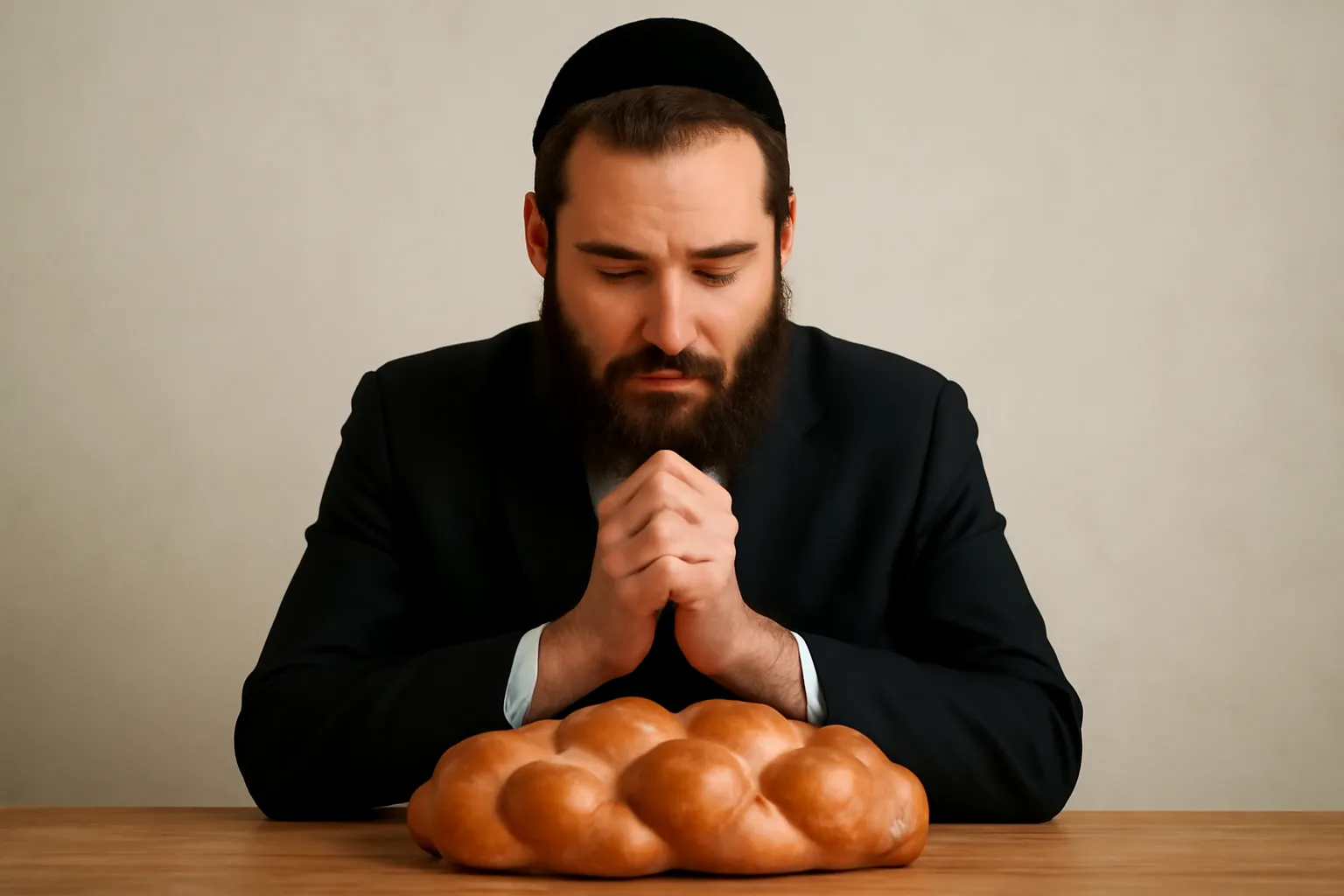
The bread blessing is often linked to the ritual bread served at the meal, commonly known as challah in many Jewish households. Challah is typically a braided loaf, often covered with a cloth during the blessing and meal in order to sanctify the act of welcoming Shabbat.
Important points about the relationship between bread prayer and ritual bread:
Two loaves (Lechem Mishneh) on Shabbat and Festivals: The presence of two loaves emphasizes abundance and the double portion of manna. The blessing is recited over the two loaves together, typically with the loaves placed side by side as a reminder of the covenant’s fullness.
Challah coverings and special shawls: It is common to cover the loaves before the blessing to symbolize the sanctity of the Shabbat meal and to separate the everyday from the holy.
Non-Shabbat settings still use the bread blessing when bread is eaten, such as weekday meals, weddings, and other occasions where bread is a central part of the meal.
Variation by community affects tunes, phrasing, and minor textual customs, but the essential blessing remains the same in form and purpose.
For many families, the bread prayer is a daily anchor: it frames the meal with gratitude and establishes a rhythm in which the act of eating becomes a moment of mindful appreciation for the resources that sustain life.
How to Recite the Blessing: Step-by-Step Guide
The practical approach to reciting the bread blessing involves a sequence of actions designed to honor the ritual. Here is a concise, working guide that reflects common practice while allowing for variations among communities.
Prepare the bread and environment: Place the bread on the table, usually a covered challah in Shabbat settings. Ensure you have properly purified hands and a calm environment to focus on the blessing.
Wash hands (netilat yadayim) if your custom requires it before eating bread. The washing is performed with a blessing in some communities, but not all. If you say a blessing, the formula is separate from the bread blessing itself: Blessed are You… who sanctifies us with His commandments and commands us to wash our hands.
Prepare the blessing text: If you use traditional Hebrew text, you recite the blessing in its canonical form with proper enunciation. In many communities, the transliteration helps ensure correct pronunciation for guests and learners.
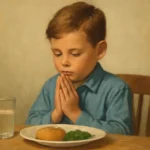
Recite the blessing aloud: Stand with bread on the table, ideally with the two loaves present for Shabbat or the single loaf for a weekday meal. Say the blessing clearly and with intention. The exact moment of recitation is before cutting or breaking the bread for sharing.
Break or slice the bread: After the blessing, break a piece from the loaf. Some traditions involve tearing off a piece for oneself before sharing with others; others encourage everyone to take a piece after hearing the blessing.
Eat and continue the meal: The blessing over bread sets the stage for the meal. Many people eat their bread with accompanying foods such as dips, spreads, or salads. The blessing over bread is typically followed by a portion of Birkat Hamazon after the meal, recognizing ongoing gratitude for sustenance.
Intention (kavanah) matters in traditional practice. While reciting the words, many people focus their thoughts on the notion that God sustains all life and that we are grateful for the daily bread provided by the Creator and by human labor. This intention—kavanah—enhances the spiritual dimension of a routine act.
Some practical notes:
On behalf of guests, the blessing can be recited for everyone present; in many homes, the head of the household may recite the blessing aloud for all to hear, ensuring proper cadence and correctness.
In multilingual settings, transliterations help non-Hebrew speakers participate. If someone pronounces a variant (for example, ha-motzi vs hamotzi), the essential meaning remains clear.
Special liturgical settings (synagogues, study halls, or charity kitchens) may include additional verses or responsive readings around the bread blessing, but the core practice remains consistent: gratitude for bread from the earth.
Meaning and Theological Significance of the Bread Prayer
The bread blessing embodies several layers of meaning beyond mere courtesy. It is a formal acknowledgment that life’s sustenance comes through a combination of divine provision, natural cycles, and human labor. The blessing inaugurates the meal with a consciousness of dependence on the divine source of all nourishment.
Gratitude and humility: Saying Hamotzi Lechem Min HaAretz is an invitation to pause and thank God for the daily bread that sustains us physically and spiritually.
Connection to the land: The phrase “min ha-aretz” links bread to its agricultural origins—grain planted, grown, harvested, ground, milled, baked, and transformed into sustenance.
Communal and covenant symbolism: The Shabbat practice with two loaves communicates abundance and shared life, echoing the biblical manna narrative and the covenantal rhythm of rest and blessing.
Sacralization of ordinary acts: The bread prayer turns ordinary eating into a moment of reverence, reminding Jews that routine acts of nourishment can be occasions for spiritual reflection.
Different bread blessings may appear in various texts or liturgies, but the central aim remains the same: to sanctify the meal and elevate the moment of eating into a spiritual practice. You may encounter terms like bread blessing, blessing over bread, blessing for lehem, or hamotzi in house prayers, synagogue siddurim, or study guides—these are variations on the same essential theme.
Variations Across Jewish Communities: Pronunciation, Practice, and Preference
Jewish communities around the world observe the bread prayer with subtle differences that reflect language, liturgical tradition, and cultural heritage. While the essential text remains aligned, there are customary differences in pronunciation, tune, and the ceremonial sequence surrounding the blessing.
Ashkenazi practice often uses the name “Adonai” in the blessing and a particular cadence when reciting the words. The pronunciation of HaMotzi typically remains consistent, though the consonant sounds may be softened in some communities.
Sephardi and Mizrahi communities might use variations in vowel pointing or phrasing to reflect their liturgical melodies. In some cases, the blessing may be chanted with a distinct cadence or melody that evokes local musical traditions.
Yemenite and North African communities often integrate unique melodic lines and occasional liturgical additions tied to their broader prayer settings while preserving the core blessing text.
Modern egalitarian settings may include participants in diverse languages and transliterations, but the communal aim remains: to express gratitude for bread and to sanctify the meal.
Contemporary practice and education frequently includes explanations for learners about why bread is blessed, how the text is structured, and how the act connects to broader Jewish ethics of sustenance, charity, and care for others.
Challah, Shabbat, and the Double Portion: Practical Details
On Shabbat and some festivals, the two loaves tradition adds a tangible symbol to the bread prayer. The loafs (often challah braided loaves) may be covered and unveiled at the moment the blessing is recited. This ritual underlines the idea of a shared feast and the abundance of the Sabbath day.
Challah preparation: The braided loafs are typically baked in advance and may be decorated or sweetened depending on custom. They symbolize both the daily bread and the celebratory nature of Shabbat.
Covering the loaves before you recite the blessing serves as a visual reminder that the meal is sanctified by the day’s holy status.
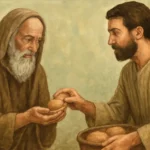
Sharing during the meal: After reciting the hamotzi, the loaves are cut or broken and shared among those at the table. This act of partaking together reinforces community and hospitality.
Outside of Shabbat, bread remains central at meals, but the symbolic use of two loaves is less pronounced. In all cases, the bread blessing is the preparatory act that transitions the meal from ordinary sustenance to a mindful, covenantal experience.
Common Questions and Quick Answers
Here are some practical clarifications that people often ask about the bread prayer.
What counts as bread for the blessing? The blessing is recited over bread made from the five grains (wheat, barley, spelt, oats, rye) that has been baked into bread or a bread-like product. It does not ordinarily apply to simple crackers, cakes, or pastries that are classified as mezonot or other categories, which have their own blessings.
Can the blessing be said if I eat only a small amount of bread? In most cases, yes, if the item qualifies as bread and is part of a meal, the blessing is recited before eating that portion. If the amount eaten does not constitute a significant portion, some traditions still recite Hamotzi as part of a meal etiquette.
Do I need to wash my hands before saying Hamotzi? It depends on tradition. Netilat Yadayim is often performed before eating bread, especially in Ashkenazi and many modern practices. If you are in a house with other traditions, follow their customary order or ask politely for guidance.
Are there any situations where this blessing is not recited? If you are eating a food that does not count as bread (for example, a dessert made from flour but not in bread form, or a fruit), you would use the appropriate blessing for that food (e.g., Mezonot, Borei Pri HaEtz, etc.). When bread is intended to be eaten, the standard hamotzi is the usual recitation.
Is there a difference between the blessing over bread and the blessing after meals? Yes. The bread blessing Hamotzi occurs at the start of the eating portion of the meal, whereas Birkat Hamazon is recited after the meal to give thanks for the sustenance received.
Putting It All Together: A Helpful Summary
The bread prayer is more than a line of liturgy; it is a gateway to gratitude, community, and awareness of life’s sources. Whether you call it the bread blessing, Hamotzi Lechem Min HaAretz, or simply the blessing over bread, the practice invites a moment of pause before the meal, a recognition of God’s provision, and a shared experience of nourishment.
Origins: From biblical language about the land and grain, through rabbinic development, to the Shabbat Lechem Mishneh tradition.
Text: The canonical formula in Hebrew, transliteration, and translation emphasizes gratitude for bread from the earth.
Practice: Washing, recitation, breaking or sharing the bread, and then continuing the meal with Birkat Hamazon.
Variation: Differences among communities reflect language, melody, and ritual nuance, while the core meaning remains constant.
The Bread Prayer as a Living Tradition
The bread blessing is a small but meaningful doorway into the broader Jewish approach to everyday life. By reciting Hamotzi Lechem Min HaAretz, Jews of many backgrounds acknowledge the interdependence of land, labor, and divine care. It is a daily reminder that even ordinary meals can become moments of spiritual reflection and communal solidarity.
Whether you are exploring the bread prayer jewish for the first time or seeking to understand its historical roots, this tradition offers a powerful reminder: gratitude for bread is a language that transcends culture and time. The blessing over bread invites us to pause, give thanks, and enter the meal with awareness of the world that makes sustenance possible.