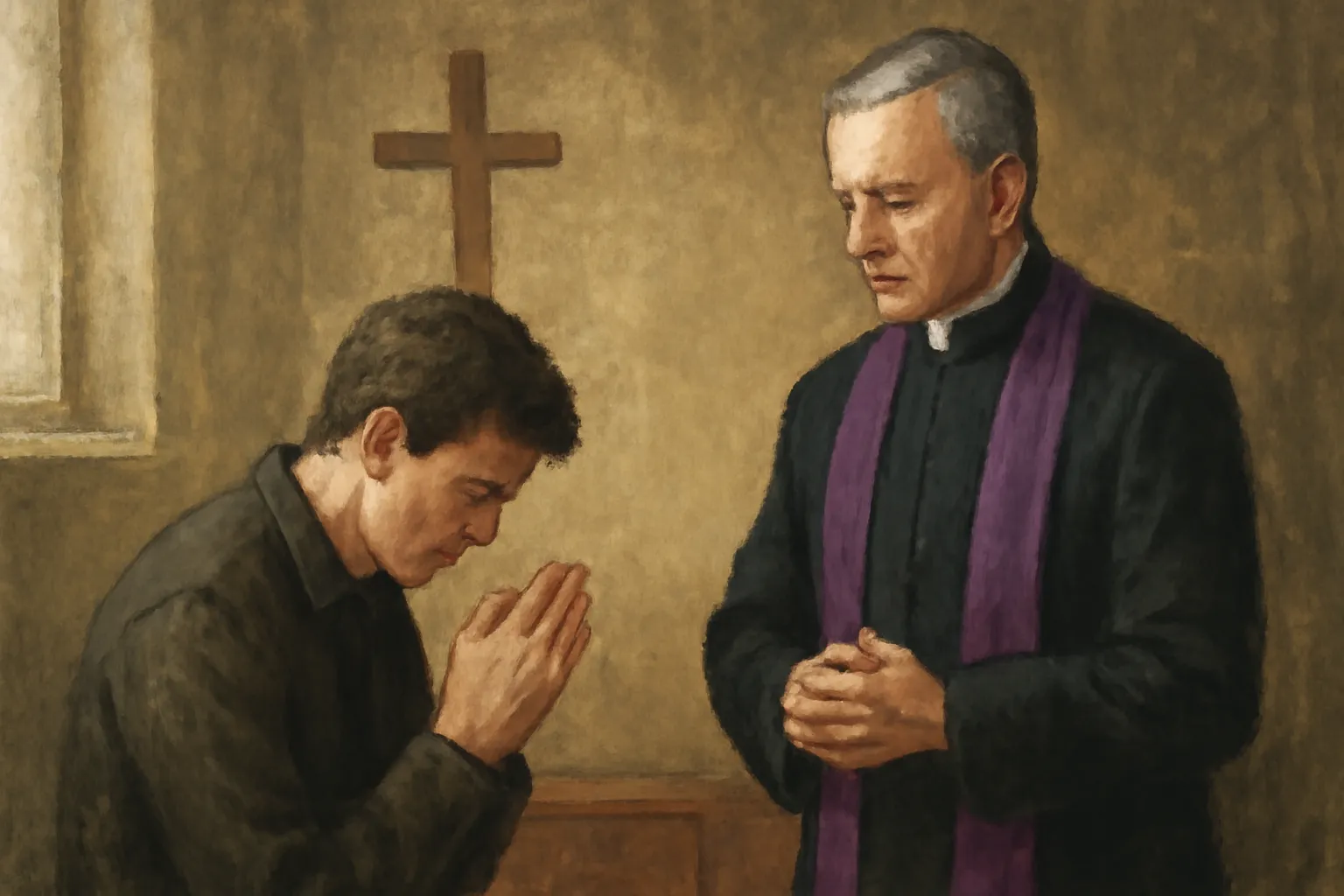
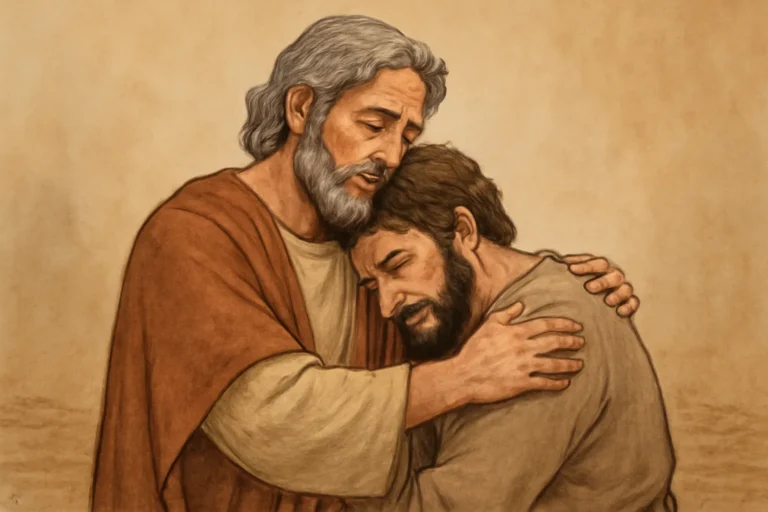
The simple, piercing plea “Father forgive me for I have sinned” has echoed through churches, chapels, and kitchens where families gather for confession and renewal. It is more than a sentence; it is a doorway into a spiritual practice that invites honesty, humility, and the transforming power of forgiveness. In this comprehensive guide, we will explore confession as a lived discipline, examine the steps that lead from awareness of wrongdoing to restoration of relationship, and offer practical guidance for anyone seeking to understand how forgiveness works within Christian traditions—especially in the Catholic understanding of sacramental confession. Whether you are a lifelong practitioner, a newcomer overwhelmed by the idea of confession, or someone simply curious about how forgiveness functions in a faith context, this article aims to illuminate the path toward freedom and peace.
Across Christian communities, the act of naming errors, seeking pardon, and receiving absolution appears in many forms. The core impulse—confessing sins, seeking mercy, and striving to amend one’s life—remains consistent, even as the rituals and language differ. In this guide, you will encounter variations of the familiar opening phrase in bold, such as “Father forgive me, for I have sinned”, “Father, forgive me for my sins”, and “Father, I have sinned; be merciful to me”. Each variation points to a shared truth: forgiveness is offered within a relationship, not as a distant ideal, but as a concrete, life-changing grace.
The language and purposes of confession
Confession is not mere speech; it is a spiritual posture. It involves recognizing sin as harm done to God, to others, and to oneself, and it invites a transformative response. In Catholic theology, confession is rooted in the reality that humans are relational beings, made for union with God and with one another. When a person says “I have sinned”, they acknowledge brokenness and open the door to healing. The purposes of confession include:
Removal of spiritual burden and the restoration of peace
Instruction in virtue and guidance for virtue’s growth
Accountability that supports ongoing conversion
It is important to note that confession is often paired with a practical response, such as penance or acts of restitution, which help to repair relationships and realign daily life with God’s will. The act of confession, therefore, is not an isolated moment; it is a bridge to ongoing formation and friendship with the divine.
Understanding Catholic sacramental confession
In the Catholic tradition, sacramental confession—also called the Rite of Reconciliation—is a structured encounter in which a penitent speaks aloud their sins to a priest, receives counsel, and is absolved by the ministerial act of the Church. While the specifics can vary by rite and culture, the essential sequence is consistent: examination, contrition, confession, penance, and absolution.
Key components and their meanings
Examination of conscience: a careful, prayerful review of one’s actions, motives, and omissions in light of God’s commandments and the truth about love.
Contrition: sincere sorrow for sin and a firm resolve not to sin again; it can be perfect contrition (sorrow for love of God) or imperfect contrition (sorrow for fear of punishment or the consequences).
Confession: naming one’s sins to a priest, typically with honesty about gravity and frequency; it is an act of truth-telling before God and the Church.
Penance: prayers, acts, or sacrifices prescribed to repair the harm caused by sin and to help form virtue.
Absolution: the priest’s canonical pronouncement that God’s mercy is granted through the Church, restoring the penitent’s relationship with God and neighbor.
Across these steps, one frequently hears the refrain, “Father forgive me for I have sinned”, as the penitent identifies the moment of failure. In many confessional settings, the priest offers guidance, reminds the penitent of God’s mercy, and invites a sincere commitment to change.
The Catholic understanding holds that absolution is conferred by a priest who acts in the person of Christ and in communion with the Church. This mediation does not diminish the priest’s humanity or superiority but emphasizes a sacramental reality: God’s grace is often mediated through visible, communal channels. For many believers, this experience brings clarity, humility, and a concrete path toward reform.
Preparing for confession: practical steps
Preparation is the most practical part of the journey. It is not about scripting the perfect confession but about opening a space in which God’s mercy can enter. A thoughtful preparation typically centers on examination of conscience and a resolve to turn away from sin.
Find time and place where you can reflect without interruptions and approach the sacrament with reverence.
Review the Ten Commandments and the Gospels for guidance on what constitutes sin in various circumstances.
Consider the sins that have become habitual and those that have harmed relationships with others.
Pray for light and honesty, asking the Holy Spirit to reveal hidden motives and areas in need of grace.
Form an intention to amend your life and to repair any damage caused by sin.
For many, a written inventory can be helpful, followed by a simple oral confession. The important thing is not the length of the inventory but the sincerity of the heart and the clarity of what you bring before God.
The practice can be aided by a few helpful phrases, including variations of the opening confession: “Father, forgive me for I have sinned”, “I confess my sins”, or the more contemporary form, “I have sinned and I ask for mercy.” Whatever the wording, the aim remains constant: to acknowledge fault with honesty and humility.
What to say in the confession: guiding your dialogue with grace
The confession itself can be short and direct, or longer if you feel moved to name the sins more explicitly. The Church understands both as legitimate expressions of repentance. Here are some practical guidelines:
Speak clearly and truthfully about what you have done or failed to do.
Avoid minimizing or excusing your actions; own your decisions.
Be concise but complete; you do not need to narrate every moment of your life—focus on the sins that matter most for your growth.
Accept guidance from the priest, who may offer reflection or counsel for living more virtuously.
After naming the sins, many people are asked to express contrition and to promise amendment of life. This moment is a turning point: it marks the shift from sin to mercy, from guilt to forgiveness, and from isolation to belonging within the Body of Christ.
Sample confession phrases
Formal: “Bless me, Father, for I have sinned. It has been [time] since my last confession. These are my sins: …”
Direct: “Father, I have sinned in thought, word, and deed. I lied to a friend; I cheated on an exam; I harbor anger I have not yet forgiven.”
Conscious-angled: “I have not loved God with my whole heart, and I have failed to love my neighbor as myself.”
In addition to naming sins, you may also express a intention to repair harm caused and to avoid the near occasions of sin. The tone is one of honesty and hope: forgiveness is real, and virtue can take root with God’s grace.
Act of Contrition: turning from sin toward mercy
A crucial moment in the sacramental process is the Act of Contrition, a prayer that expresses sincere sorrow and a commitment to amend. There are many versions, ranging from traditional to modern. The exact wording is less important than the heart behind the words.
In the Christian tradition, biblical forgiveness is more than a sentiment or a cultural cliché. It is a robust, theologically rich concept rooted in the character of God and lived out in human relationships. This article explores the definition of biblical forgiveness from multiple angles: its theological foundations, its scriptural warrants, its differences from everyday…
The Transformative Power of Christian Forgiveness In the Christian faith, forgiveness stands as a sacred discipline and a doorway to freedom. It is not merely a feeling but a deliberate choice rooted in the example of Christ and the mercy of God. When hurt, betrayal, or injustice presses in, quotes from Scripture can anchor us,…
Bible Stories About Forgiveness — Parables, Lessons, and Real-Life Examples The Bible presents forgiveness as a defining quality of God and a transformative practice for people. Across both the Old and New Testaments, forgiveness is not merely an emotion but a path toward restoration, healing, and renewed relationships. Forgiveness appears in parables, in direct narratives,…
What this article covers Forgive is a word people use often, but when we explore it through the lens of the bible, the concept carries depth, responsibility, and transformation. In everyday speech, to forgive might simply mean letting go of a grudge. In the biblical sense, however, forgiveness implies a release from guilt, a cancellation…