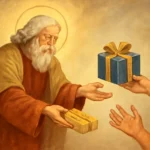
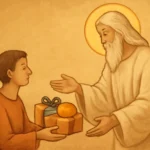
Throughout human history, people have spoken of gifts from the gods—rare endings or beginnings that
reorient civilization, reshape moral imagination, and bless individuals in moments of crisis or joy. In many
traditions, such gifts are not merely objects or powers but moral levers that reveal the relationship between humans and the divine. This article
surveys the idea of the divine endowment from ancient stories to contemporary thought, offering
untold stories, exploring meanings behind these gifts, and considering how modern minds reinterpret them in
literature, art, and daily life. Whether you call them heavenly boons, divine favors,
or blessings, the concept remains a powerful lens on culture, awe, and responsibility.
The Fire that Civilized Humanity: Prometheus and the Gift of Fire
One of the most persistent images of a gift from the gods is the episode in which Prometheus steals fire for humankind. In many tellings, fire is not merely warmth or light; it is a
technology, a language, and a symbol of mastery over nature. It enables cooking, metallurgy, toolmaking, and
the capacity to transform raw matter into culture. Fire as a divine gift embodies a paradox: it empowers people but
also demands moral obligation. Those who accept the gift become more capable, yet must bear the consequences of
their use, including the dangers that arise when power outpaces wisdom.
In several versions, the gift of fire is a strategic act by the gods that signals a shift in the balance of human
possibility. The tale invites readers to ask: What is the cost of a gift that expands possibility? What responsibilities
accompany the ability to shape the world? The Promethean gift thus becomes a template for modern debates
about technology, innovation, and ethical stewardship.
The Olive Tree and Civilizational Gift: Athena’s Olive to Athens
Another widely cited divine gift is the olive tree granted by the goddess Athena to the
people of Athens. The olive represents not only sustenance but also peace, craftsmanship, and a stable economy.
In myth and ritual alike, the olive branch becomes a symbol of civic identity and communal well-being. The gift of olive oil powers cooking, lighting, and sacred ceremonies, linking everyday life with
divine favor. In urban memory, this gift marks a turning point when a city encodes divine blessing into lawful
structure and social ceremony.
Ambrosia, Nectar, and the Taste of Immortality
In many mythic calendars, the ambrosia and nectar that feed the immortals are barely
glimpsed by humans. Yet there are tales in which mortals glimpse or receive a fragment of this divine sustenance.
The idea of a food of the gods as a gift suggests a longing for enduring life, elevated perception,
or an intimacy with the divine that ordinary existence rarely offers. Readers may interpret these stories as
metaphorical gifts—rare insights, heightened creativity, or a taste of transcendence that inspires others to
pursue meaning beyond the ordinary.
Art and Knowledge: The Gift of the Muses
In classical imagination, the Muses dispense not tangible goods but inspiration, turning
chaos into form and emotion into expression. The gift of song, story, and sculpture becomes a social
endowment: a culture’s ability to remember, to imagine, and to persuade. The Muses do not simply grant talent; they
catalyze the collective memory of a community and the enduring power of art to heal, provoke, and unite.
Runes and Wisdom: Norse Gifts that Change the World
In Norse myth, the discovery of the runes—an instrument of writing, magic, and ceremony—represents a gift of knowledge
with radical implications. The runes open doors to divination, protection, and ritual power; they also encode a
philosophy about responsibility, discipline, and restraint. The story of runes as a divine endowment invites us to
consider how knowledge becomes power and how communities choose to regulate or elevate that power through law,
custom, and ritual.
Amrita: The Nectar of Immortality in the Ocean of Milk
In Hindu cosmology, the churning of the ocean yields amrita, the nectar of immortality, along with other
marvels. The myth frames immortality as a boon contested by both gods and demons, with the divine gift
of amrita becoming a catalyst for cosmic struggle and moral testing. The symbol of amrita often points to the
larger question of what it means to live with an awareness of mortality, and how a community uses the promise of
eternal life to guide ethical action, compassion, and care for the vulnerable.
The Gift of Fertility and Harvest: Rain, Rivers, and Maize
Across many agricultural cultures, rain, fertile soil, and crops appear as gifts from the heavens or
the earth, bestowed through weather deities or ancestral spirits. In mythic imagination, the gods’ provision of rain
or ideal growing conditions anchors communities in seasonal cycles and shared rituals. These gifts are often represented
as blessings that require stewardship—careful farming, communal labor, and ritual offerings—so that abundance
translates into social stability and mutual support.
Meanings Behind the Gifts
Civilizational leaps: Many divine gifts function as catalysts for civilization—fire, agriculture, writing,
and art. They mark a turning point when human beings expand their capabilities and redefine social life.
Moral responsibility: Gifts often carry responsibilities, obligations, or risks. The gift may empower,
but it also demands virtue, restraint, or prudence to avoid corruption or harm.
Identity and belonging: Rituals around gifts create a shared memory, a sense of collective identity, and
a way to anchor a community’s values. The gift becomes a symbol of who a people are and what they aspire to become.
Power and legitimacy: Gods’ gifts can legitimize rulers, tribes, or religious traditions. The aura of a divine
endorsement helps justify social order and authority, even as it invites scrutiny and reform.
Healing and protection: Some divine endowments are cast as blessings that restore health, guard
travelers, or shield communities from catastrophe. They function as practical and spiritual safeguards.
Knowledge and creativity: The gifts of inspiration or wisdom unlock new ways of thinking, solving problems,
and expressing human experience. They seed culture with innovations that endure beyond a single generation.
Ambiguity and caution: Not all gifts are unambiguously beneficial. Some reveal ethical tensions, double-edged
possibilities, or the danger of dependence on external powers. The most enduring myths often dramatize the price of a
gift if used without wisdom.
In modern interpretive terms, these meanings persist as patterns. A divine gift remains a powerful metaphor
for opportunities that arrive with a sense of wonder but demand accountability. The phrase gift from the gods
has become a cultural instrument: it helps people narrate extraordinary events, celebrate human achievement, or critique
systems that claim to be divinely sanctioned.
Modern Interpretations and Reimaginings
From Myth to Modern Narrative: Gifts in Literature
Contemporary writers frequently reframe ancient gifts to suit contemporary questions. A button, a gene, or a
mysterious artifact can stand in for the mythic endowment, prompting readers to ask:
What if a single action changes everything? What if a talent is both a privilege and a burden? In novels and poetry,
the gift motif often operates as a mirror for human aspiration—our longing for transcendence as well as
the anxiety that comes with power.
For example, stories that feature characters awakening to a latent talent—whether magical, intellectual, or moral—often
foreground the responsibility that accompanies that gift. The narrative arc may track how the protagonist learns to wield
the gift with compassion, or how it tests loyalties, friendships, or beliefs. In such works, the ancient language of
“gift from the gods” becomes a modern vocabulary for personal transformation and social responsibility.
Gifts in Film, Comics, and Video Games
Popular culture frequently borrows the language of divine endowments to shape plots and character arcs. A god-sent artifact
or a heavenly power grants heroes extraordinary abilities, but the narrative tension often centers on how
the character uses that power. Weapons like Mjölnir, or artifacts with sacred origins, become symbols of identity, duty,
and communal protection. The idea of a gift that must be earned or safeguarded resonates across genres,
inviting audiences to reflect on what one would do with an extraordinary capability if it appeared in their hands.
Spirituality and Personal Growth: Interpreting Gifts as Inner Endowments
Beyond entertainment, many readers interpret divine gifts as inner endowments—talents, moments of clarity, or
opportunities for ethical action. A sudden sense of purpose, a technically acquired skill, or a moment of grace
can feel like a gift from the divine because they illuminate a path forward when life feels uncertain.
In this sense, the language of divine gifts becomes a way to honor human resilience and the capacity to grow through
challenge. The modern interpretation often emphasizes responsibility: a gift is meaningful only when paired with
care for others, openness to learning, and a commitment to justice.
Everyday Blessings: Small Gifts as Modern Divine Favors
Not all gifts appear as grand spectacles. A stranger’s act of kindness, a moment of quiet health, a chance encounter that
redirects a course of study—these can be read as subtle gifts from the gods in daily life. The modern
sensibility frequently reframes such occurrences as signs of the cosmos aligning, or as reminders to practice
gratitude, generosity, and mindfulness. The language of blessing helps people articulate meaningful experience without
diminishing it to mere coincidence.
Cultural Perspectives: How Different Traditions Describe Gifts
Greek and Hellenic tradition: Gifts such as fire, olive oil, and artistic inspiration are woven into
myths that connect human ingenuity with divine sanction. Rituals around these gifts reinforce social cohesion and
aesthetic standards.
Hindu and South Asian traditions: Amrita, divine wisdom, and sacred knowledge are central motifs.
Endowments may manifest as auspicious signs, prophetic dreams, or the teacher-student transmission of sacred lore.
Norse and Germanic traditions: Knowledge, runes, and sacred armor embody the link between cosmic
order and human courage. The gifts emphasize that power without wisdom can be dangerous, and that craft and
ritual sustain a community in the face of peril.
East Asian traditions: Blessings connected to harmony, balance, agriculture, and longevity appear
in myths and folk beliefs. The concept of divine support is often expressed through ancestral reverence and moral
conduct rather than through singular artifacts alone.
African and Indigenous American traditions: Rain-making, fertility rites, and agricultural
wisdom frame gifts as communal in nature. The gifting of rain, harvest abundance, or healing power underscores
interdependence, reciprocity, and stewardship of the Earth.
Monotheistic and plural faiths: The notion of divine grace, providence, and salvation functions as a
kind of cosmic gift—one that invites gratitude, humility, and ethical action. In these frameworks, gifts are often
linked to a covenantal relationship with the divine and to responsibilities toward others.
Symbolic Forms and Everyday Language
Across cultures, the language used to describe divine endowments shares common features. The word “gift”
implies something freely given but also invites a response—not mere possession, but a dynamic relation. Other terms
commonly used include boon, blessing, favor, endowment,
and grace. Each term carries its own nuance:
Gift emphasizes a deliberate offering, often with social expectations attached.
Boon connotes a beneficial opportunity that improves circumstances, sometimes unexpectedly.
Blessing carries sacred overtones and a sense of protection or approval.
Favor implies a personal act of kindness from a powerful ally, akin to a benefactor’s goodwill.
Endowment highlights inherited or sustained capacity—talent, resources, or institutions that endure.
Grace conveys mercy, transformative kindness, and the possibility of renewal after failure.
In contemporary discourse, these words function as interpretive tools. They help people narrate experiences as
meaningful rather than random. When someone describes a fortunate turn as a “gift,” they acknowledge agency
(the gift-giver or the circumstances that enabled the turn) while also offering a frame for gratitude and
responsibility. This linguistic richness enables readers to imagine “gifts from the gods” not merely as
distant myths but as living, evolving ideas that shape behavior, ethics, and intention.
How to Recognize a Gift as a Gift from the Gods: Contemporary Framework
Notice the moment of opening: A gift typically appears as a turning point—a sudden clarity,
a chance encounter, or an opportunity that opens new possibilities. The moment feels special, as if guided by larger
forces.
Assess the moral texture: A genuine gift encourages generosity, empathy, or responsibility toward others.
If a choice associated with the gift isolates or harms, reexamine whether it is a truly divine-like boon or a test.
Consider the long arc: Gifts often come with ongoing responsibilities. The true measure of a gift is not
merely its initial impact but how it shapes actions, relationships, and communities over time.
Look for symbolism: Cultural language, rituals, or signs surrounding the moment can illuminate a larger
narrative about gifts and their meaning in a society.
Balance awe with gratitude and critique: The idea of a godly gift can inspire wonder and humility while
provoking critical reflection on power, privilege, and justice.
Whether one reads a scene as a myth, a metaphor, or a lived experience, the framework helps integrate older
stories with a modern consciousness. In this sense, gift from the gods remains a useful narrative device
for exploring how people imagine the source of wonder, speak about responsibility, and cultivate communities that
sustain each other in the face of mystery.
Gifts as Mirrors of Our Time
The idea of a divine gift—in all its forms and languages—has never simply been about the
extraordinary. It is a lens through which cultures interpret possibility, risk, power, and care. The untold stories
of gifts from the gods remind us that civilizations imagine the sources of their strength—and that those sources
demand remembrance, responsibility, and reciprocity. The meanings behind gifts, whether ancient or modern, invite
us to reflect on what we owe to others when opportunity comes our way. And the modern interpretations—within
literature, cinema, philosophy, and daily life—show that these myths still speak powerfully to hearts that seek
courage, wisdom, and justice.
As we move forward, the phrase gift from the gods can function as a bridge between reverent awe and
practical ethics. It can remind us that even when wonders arrive, the way we respond—how we steward, nurture, and
share them—defines the gift’s ultimate legacy. In that sense, the gifts from the divine are not relics
of the past; they are living prompts to imagine better futures, to courageously ask for guidance, and to extend
our best selves to those who need it most.