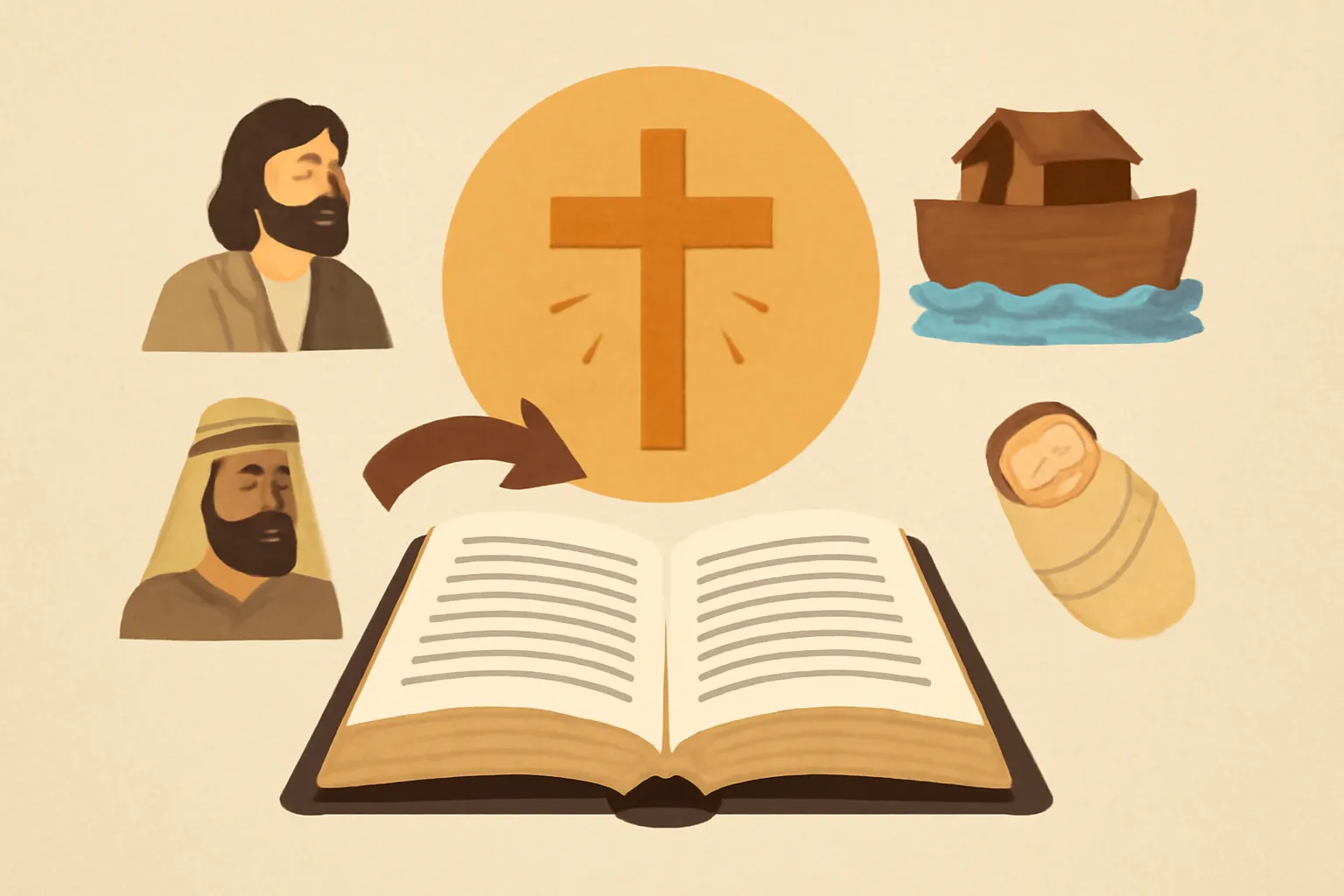
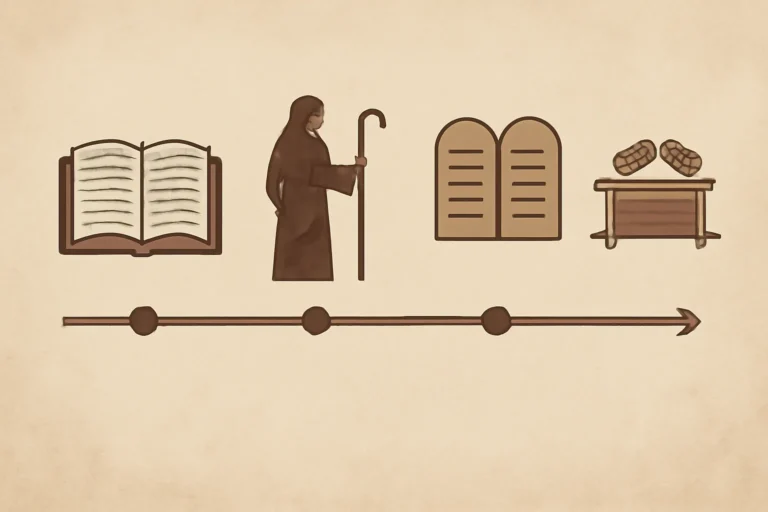
The Bible contains a rich tapestry of narratives that span vast stretches of time. When we study biblical chronology, we aim to place these stories into a coherent timeline of biblical events that mirrors the flow of history as it unfolds across Scripture. This article presents bible stories in chronological order, arranging major episodes from Creation to the end times in a way that helps readers see how the stories connect, how prophecies anticipate fulfillments, and how the characters’ journeys map onto a broader divine plan. While there is debate among scholars about precise dates and the exact order of some events, the order presented here follows the traditional sequence most readers encounter when tracing a narrative timeline through the biblical books. We will frequently use variations of the phrase “chronological order of Bible stories,” “timeline of biblical events,” and “order of biblical narratives” to reinforce the concept and broaden semantic breadth.
To understand the Bible as a single storyline, it helps to distinguish between the canonical order (the order in which books appear in most Bibles) and the chronological narrative order (the order in which events occur in history). The article that follows adheres to a practical chronology that mirrors how events unfold in time, while acknowledging the distinctive literary structures of Genesis, the historical books (Joshua–Esther), the prophetic writings, the Gospels, and the New Testament letters. In this timeline, you will encounter a mix of biographical narratives, national histories, prophetic fulfillments, and apocalyptic visions, all connected by God’s overarching redemptive story.
As you read, keep in mind a few guiding principles:
– Some events are timeless or symbolic, but the chronology helps in understanding cause and effect across generations.
– The Bible sometimes moves forward and backward in time to emphasize themes or covenants; the chronological approach here emphasizes historical sequence while noting these literary devices.
– Different Christian traditions may place certain books (such as Esther or Daniel) within slightly different historical frames; this article uses a broadly harmonized timeline for clarity.
Era I: Creation, Fall, and the Birth of Humankind
In the opening pages, the Bible lays the foundation for everything that follows. The Creation narratives establish God as the source of life and order, while the Fall introduces sin and broken relationship. From these beginnings emerge generations whose choices shape the world that later generations inhabit.
Creation and the framework of the cosmos. The biblical account portrays God speaking the universe into existence and creating humanity in God’s image, setting up the divine pattern of work, rest, and stewardship.
Date/Context: timeless or traditional timelines place Creation in a distant past; the purpose is theological, showing God as the Creator who brings order out of chaos.
Key themes: divine image-bearing, cosmic order, and the intention of human responsibility.
The Fall (Genesis 3) and the introduction of dislocation—shame, blame-shifting, and alienation from God.
Date/Context: immediately follows Creation in the narrative; not assigned a precise historical date, but essential for biblical anthropology.
Key consequences: sinned humanity, judgment, and the promise of ultimate redemption that threads through the Bible.
Cain and Abel and the spread of humanity’s lineages (Genesis 4).
Theme: the rise of jealousy, violence, and the consequences of moral choices.
Noah and the Flood (Genesis 6–9) and the re-creation of the world after judgment.
Key elements: a righteous lineage, a covenant with God post-flood, and the institution of a divine sign (the rainbow) to mark mercy and faithfulness.
Tower of Babel and the dispersion of languages (Genesis 11).
Theme: human pride and God’s gracious delegation of language and geography, setting the stage for God to work through specific peoples.
In this chronological narrative of creation and humanity, the early chapters of Genesis frame the questions the Bible will address again and again: Who is God? What is humanity’s purpose? How will God bring reconciliation to a world marred by sin?
Era II: The Patriarchs and the Genesis Narratives
The generation-to-generation stories of the patriarchs trace the formation of a people through which God’s promises will unfold. This era foregrounds faith, covenant, and the complex human relationships that define the formation of a people bound to God’s purposes.
Key figures and episodes
Abram/Abraham called by God and promised to become the father of a multitude (Genesis 12–25).
The covenant promises multiply, land, descendants, and a blessing to all families of the earth.
Theme: faith, obedience, and the tension between divine promise and human doubt.
Isaac, Jacob, and the twin destinies of the patriarchs (Genesis 21–49).
Isaac carries forward the line; Jacob receives the blessing and the name Israel after wrestling with God.
Joseph’s arc in Egypt (Genesis 37–50) demonstrates providence in hardship and the power of forgiveness as the family migrates to survive famine.
Joseph in Egypt and the rise of the Israelites within a foreign land (Genesis 37–50).
Theme: salvation through difficult circumstances and the preservation of a chosen lineage in a foreign culture.
In this “Genesis-to-Egypt” arc, the promise-covenant motif begins to crystallize. God’s intention to bless all nations through Abraham’s offspring becomes a central thread that will later unfold through laws, land, and the people who inhabit the Promised Land.
Era III: The Exodus, Sinai, and the Wilderness
This era is one of dramatic salvation history: liberation from oppression, the reception of the Law, and formation of a people who learn to walk with their God in covenant faithfulness. The events of this period set the pattern for Israel’s national identity and religious practice.
Moses and the Exodus from Egypt (Exodus 1–14) and the miraculous crossing of the Red Sea.
Key moment: God’s redemption of the Israelites and the establishment of Yahweh as the God who acts decisively in history.
Redemption at Sinai (Exodus 19–24) and the giving of the Law.
Significant components: the Ten Commandments, civil and ceremonial laws, and the covenant framework that binds Israel to God.
Theme: testing, faith, and the preparation of leaders such as Joshua and Caleb for entry into the land.
Prepare to enter the land under Joshua (Joshua 1–24).
Event: the conquest and settlement of Canaan according to divine guidance and tactical obedience.
During this era, the covenant, law, and temple-facilitation agenda begin to shape communal life. The people learn to live as a people set apart, with worship centered on God’s instruction and presence among them.
Era IV: Judges, United Monarchy, and the Consolidation of a Nation
As the homeland remains a focal point, biblical history transitions from scattered tribal confederations to a centralized monarchy. This period highlights leadership, faithfulness, compromise, and the consequences of political and spiritual choices.
The Era of the Judges (approximately 1050–1020 BCE and beyond).
Characterized by cycles of apostasy, oppression, repentance, and deliverance through leaders known as judges (e.g., Deborah, Gideon, Samson).
The United Monarchy with Saul, David, and Solomon (1 Samuel–1 Kings 11).
Saul’s rise and fall; David’s ascent and the expansion of the kingdom; Solomon’s wisdom, wealth, and the building of the first temple.
Theme: a central, united national identity anchored in covenant faithfulness and worship.
The Divided Kingdom after Solomon’s reign (1 Kings 12 onward).
Israel (the Northern Kingdom) and Judah (the Southern Kingdom) develop along different trajectories, facing recurring cycles of rebellion and exile.
The story of this era culminates in the dramatic fall of the northern kingdom to Assyria and the later conquest of the southern kingdom by Babylon. The prophets address the moral and spiritual reasons for judgment while offering calls to repentance and hope for restoration.
Era V: Exile, Return, and Restoration
Exile and return form a crucial bridge between the ancient narratives and the later prophetic and post-exilic writings. This era emphasizes longing for homeland, the rebuilding of the temple, and the shaping of post-exilic identity.
Fall of Judah and Exile to Babylon (586 BCE).
Jerusalem’s temple is destroyed; a diaspora forms as Israelites are scattered, yet God’s promises remain in view through prophetic voices.
Prophetic voices during exile and calls to faithfulness (e.g., Daniel, Ezekiel, Isaiah’s later chapters, and others).
They offer both judgment and hope, including visions of restoration and a future restored temple and nation.
Cyrus and the Return to Jerusalem and the rebuilding of the temple (mid-6th century BCE).
The decree of Cyrus the Great allows returnees to rebuild the temple; Ezra and Nehemiah chronicle post-exilic religious reforms and civic restoration.
Rebuilding the Community (Ezra–Nehemiah) and the reestablishment of worship, law, and community life.
Themes: fidelity to Torah, communal reforms, and the re-centering of worship in Jerusalem.
This era’s post-exilic chronology shapes how later generations understand God’s faithfulness, blessing, and the coming Messiah. The events here set the stage for the birth narratives of Jesus and the early church as the people live in a world under foreign rule while maintaining a distinct identity as God’s covenant people.
Era VI: The Intertestamental Period and the World of Faithful Expectation
Between the Old and New Testaments, a period often labeled the Intertestamental period witnesses cultural shifts, political upheaval, and the continuing expectation of a coming Messiah. Different Bible traditions treat some events in this gap with varying emphasis; in some canons, additional texts like 1 and 2 Maccabees illuminate this era.
Hellenistic influence and foreign rule in the land of Israel (4th–2nd centuries BCE).
Greek culture and language spread, influencing religious life, synagogue worship, and scriptural interpretation.
Hasmonean revolt and the Maccabean era (2nd century BCE, present in some canons).
A period of national resilience and religious reform, culminating in renewed Jewish identity and temple rededication stories celebrated in later traditions.
Roman rule and the backdrop for the New Testament era (1st century BCE–1st century CE).
The geopolitical environment of Judea, Galilee, and surrounding regions creates the context in which Jesus’ life, ministry, and crucifixion unfold.
Understanding this middle period helps readers grasp the anticipation surrounding a promised deliverer and how Second Temple Judaism shaped the religious landscape into which Jesus would be born. It also clarifies why the gospel writers frame Jesus’ work as the fulfillment of prophecies that had persisted across centuries of longing and expectation.
Era VII: The Life of Jesus and the Gospels
The center of the biblical narrative, in terms of both chronology and thematic significance, is the life, death, and resurrection of Jesus Christ. The Gospel accounts present the events of Jesus’ earthly ministry in a way that intersects with Jewish expectations, Roman political realities, and the early church’s experiences of the risen Christ. This era is foundational for Christian faith and the onward mission of the church.
Birth and early years of Jesus (nativity narratives and childhood glimpses in Matthew and Luke).
Themes: incarnation, divine mission, and the gathering of followers who will carry the message forward.
Ministry of Jesus (approximately 27–30 CE) and the proclamation of the kingdom.
Key aspects: teaching in parables, miraculously healing, calling disciples, and redefining understanding of righteousness and worship.
Crucifixion, Resurrection, and Ascension (Good Friday and the Easter event; Acts 1).
Central claims: atonement for sins, victory over death, and commissioning of the apostles to go to all nations.
The Gospels’ witness to the early church and the spread of the message through communities that remember Jesus’ life and teachings.
Theme: the transition from Jesus’ earthly ministry to the Spirit-empowered mission of the church.
This era is not only about the historical events surrounding Jesus but also about the theological shift from a nation-centered narrative to a global, church-centered narrative—where Gentiles and Jews alike are invited into a renewed relationship with God through faith in Christ. It also marks the moment where the biblical narrative expands beyond a single people to a universal mission.
Era VIII: The Early Church, Mission, and Letters
The New Testament continues the story through the Acts of the Apostles and the epistles, tracing the growth of the church, doctrinal development, and practical guidance for believers living in a varied and often hostile world. This era presents a dynamic expansion of the biblical story from life and ministry of Jesus to the community empowered by the Spirit.
Acts and the spread of the gospel (c. 30–60s CE).
Focus: the Pentecost event, the bold proclamation of the apostles, and the formation of early Christian communities across different regions.
Pauline and General Epistles (mid-1st century CE onward).
Contents: theological explanations of justification by faith, the role of grace, church governance, and practical ethics for communities living in diverse cultures.
Important dynamics: how a small Jewish sect becomes a worldwide movement through missionary journeys and letters that nurture faith and unity.
John’s writings and the Johannine corpus (late 1st century CE).
Themes: love, truth, eternal life, and the nature of Christ’s identity as the Word made flesh.
Within this era, readers encounter a maturing church that navigates doctrinal debates, persecution, and cultural integration while maintaining a steadfast witness to the gospel. The chronology of the New Testament era culminates in the apocalyptic vision of Revelation, which looks forward to the ultimate fulfillment of God’s promises and the establishment of God’s eternal kingdom.
Era IX: Revelation, Eschatology, and the Final Promise
The biblical finale presents a cosmic perspective on history—where God’s purposes are fulfilled and creation is renewed. The Book of Revelation, along with prophetic writings in various texts, casts a long arc toward the restoration of all things and the ultimate triumph of goodness over evil. While Revelation stands in the New Testament as a climactic vision, it also resonates with Old Testament messianic expectation and the hope of a renewed creation.
Apocalyptic visions and the final judgments (Revelation 6–20).
Images of seals, trumpets, and bowls convey divine justice, cosmic conflict, and the call to steadfast faith in the face of trial.
The New Heaven and New Earth (Revelation 21–22) and the ultimate restoration of all things.
Theme: God’s dwelling with humanity, the removal of pain and death, and eternal communion with the Creator.
The Second Coming and the Eternal Kingdom in Christian expectation.
Hope: the fulfillment of prophecies that span the biblical story, bringing closure to the age and inaugurating a perpetual era of righteousness and peace.
In this final era, the timeline of biblical events points toward a consummation that is both cosmic and intimate—the divine reconciliation of heaven and earth, the elimination of pain, and the presence of God with His people forever. This concluding section of the Bible harmonizes the earlier covenants, messianic expectations, and apostolic witness into a singular culmination that invites readers into the ongoing story of faith and hope.
Putting the Timeline Together: How to Read the Chronology of Bible Stories
For readers who want to map biblical chronology onto a wall chart or a study notebook, here are practical tips to make the most of a timeline of biblical events across both testaments:
Start with the big arcs: Creation–Fall; Patriarchs; Exodus–Wilderness; Judges–United Monarchy; Exile–Return; Life of Jesus; Early Church; Revelation. This mirrors the overarching drama of Scripture.
Use parallel tracks: some events occurred roughly in parallel with others (e.g., judges and prophets; exile and temple rebuilding; Jesus’ ministry alongside Roman governance). A two-column approach can help visualize these overlaps.
Note covenant milestones: key covenantal moments (Noah, Abraham, Sinai, David, New Covenant in Christ) act as milestones that frame subsequent events. Mark these with a bold label on the timeline.
Distinguish between literary order and historical order: Genesis presents origin stories that are foundational for theology, while the historical books present real-world episodes with dates, rulers, and places. When constructing a chronological timeline, it’s helpful to separate theological beginnings from historical sequence while acknowledging their interplay.
Appreciate the prophetic thread: prophets often speak into the present, yet their words frequently point toward a future fulfillment. Mark prophecies and their apparent fulfillments in the life of Jesus and in eschatological visions.
Recognize the intertestamental space: the period between the Testaments is essential for understanding how Jewish life and expectation shaped the New Testament world.
Variations in Chronology: Common Ways People Order Bible Stories
Because the Bible covers many centuries with different literary genres, several common approaches to “chronological order” exist. Here are a few variations you will encounter if you search for a timeline of biblical narratives:
Canonical chronology: following the order of the books as they appear in most Bibles, then noting non-narrative sections (genealogies, prophecies) as cross-references.
Historical chronology: ordering events by the best available dates (e.g., monarch reigns, exile dates, and ministry years) to trace cause-and-effect across nations and leaders.
Thematic chronology: arranging stories by major themes (covenant, exile/return, prophecy, salvation) rather than strict dates, to highlight theological continuity.
Literary chronology: preserving the narrative flow while adding sidebars for events that happen concurrently in different places (e.g., parallel ministries of prophets in two kingdoms).
Each of these approaches has value for different study goals. A timeline of biblical events can be adapted to classroom teaching, personal study, or devotional reading, and the variations in chronology help illuminate different facets of the same grand story.
Why a Chronological Timeline Helps Bible Study
There are several benefits to examining biblical stories in chronological order:
It clarifies the relationship between events across generations, showing how God’s promises unfold over time.
It helps readers see the continuity between the Old and New Testaments, especially the anticipation of Christ and the fulfillment of messianic prophecies.
It highlights the development of biblical faith—from the patriarchal faith in one God to a worldwide faith in Jesus Christ as Lord.
It contextualizes historical events within the drama of salvation history, enabling a richer understanding of scripture’s rhetorical and theological aims.
Glossary of Key Concepts in the Timeline
To navigate the long arc of biblical events, here are brief definitions of some important terms you will encounter as you explore a timeline of biblical events:
Covenant: a formal, binding promise between God and a person or people that shapes their relationship and mission.
Redemption: God’s action of delivering, saving, or rescuing His people, often through a mediator or at a pivotal moment in history.
Messiah: the anointed one expected by Israel who, in Christian faith, is fulfilled in Jesus Christ.
Exile: a period during which a people are displaced from their homeland, often as a consequence of disobedience and judgment, yet also as a context for transformation and hope.
Prophecy: messages from God through chosen messengers that reveal present realities and future fulfillment.
Kingdom: a central biblical motif referring to God’s rule and the people who live under it, both in Israel’s history and in the New Testament through Christ’s reign.
Revelation: a prophetic book that unveils divine plans for the ultimate restoration of creation and the final destiny of humanity.
The Complete Timeline as a living guide
A comprehensive approach to the Bible’s stories in chronological order helps readers perceive how the timeline of biblical events unfolds as a continuous, coherent narrative—yet also how history, faith, and prophecy interweave in complex ways. From the dawn of creation to the promise of future glory, the Bible invites readers to trace God’s faithfulness across centuries, seasons, and generations. This narrative arc—from Creation through the Fall, through the call of the patriarchs, through liberation and law, through exile and return, through the life of Jesus, through the expansion of the church, to the final vision of Revelation—offers a compelling and hopeful story: a story in which every era contributes to a larger purpose. Whether you study with a chart, a timeline, or a well-wrought narrative, the journey through biblical chronology equips believers to read Scripture with depth, recognize the unity of the Bible’s message, and witness to the enduring hope that runs through all generations of God’s people.
Note: While dates and exact sequences can vary by tradition and scholarly interpretation, this article aims to present an integrated, readable order of biblical narratives that highlights how the great arc of Scripture develops from Creation to the culmination of God’s redemptive work.
Bible Old Testament Timeline: A Chronology of Key Events The bible old testament timeline weaves together sacred narrative, historical memory, and theological purpose. This article provides a structured chronology that highlights major turning points, pivotal figures, and the sequence of events that shape the Old Testament. Because ancient dating varies by tradition and scholarly method,…