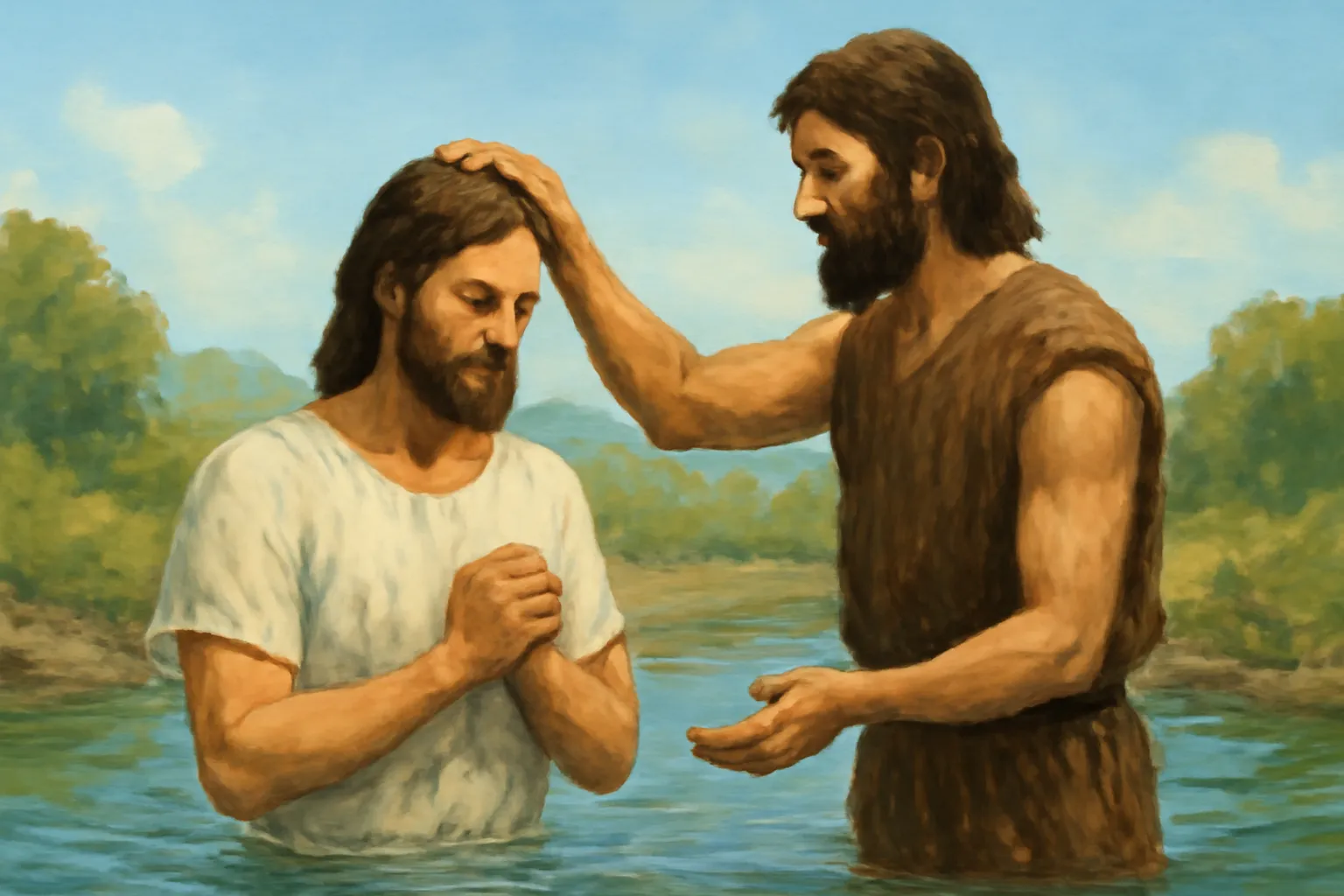
The phrase Baptism Into Christ captures a central idea in Christian faith: when a person submits to the rite of baptism, they are entering into a living, personal identification with the life, death, and resurrection of Jesus. This is not merely a ceremonial action; it is a spiritual reality that touches identity, allegiance, and purpose. Across Christian traditions, you will hear a variety of phrases that describe the same core event: baptism into the body of Christ, water baptism, believer’s baptism, immersion, or baptism in the Messiah. All of these terms point to a moment when a person is incorporated into Christ’s people and receives a new standing before God.
In this article, we will explore what baptism into Christ means, why it is considered significant, and how a person can begin a spiritual journey that centers on this transformative practice. We will discuss both the biblical foundations and the practical steps many communities take to help someone move from inquiry to baptism and into a sustained life of faith.
The Core Meaning of Baptism Into Christ
At its heart, baptism into Christ is about a profound alignment with Jesus and with His body, the Church. When a believer is baptized, they are symbolically, and in many traditions actually, united with Christ in three crucial ways:
Identification with Christ’s death, burial, and resurrection: Many scriptural reflections describe baptism as a moment when a person is symbolically buried with Christ in death and raised to new life. This is most clearly expressed in phrases like being buried with Him by baptism and rising to walk in newness of life.
Incorporation into the body of believers: The rite marks entry into a covenant community—the Church—where members are joined to one another and to Christ as the head.
Reception of grace through faith: While understandings differ on how grace works in baptism, most traditions agree that baptism is not merely a human work but a divine gift enacted through faith and obedience.
The language of baptism into the Lord or baptism into the Messiah emphasizes that this act is less about a mere ritual and more about a sustained relationship with the Risen One. In this sense, water baptism becomes a tangible sign of an inward change: repentance, trust in Jesus, and a preparedness to live under the lordship of Christ.
The Significance of Baptism Into Christ
1) Identity, Union, and New Life
One of the most frequently cited biblical images for baptism is the identification with Christ’s death and resurrection. The apostle Paul writes that believers who are baptized are, in a sense, “dead to sin” and “alive to God in Christ Jesus.” This is not merely a metaphor; it is a declaration of a new identity. When you undergo baptism into Christ, you are signaling that your core allegiance has shifted: you now stand with Jesus and with His people, and you commit to growing into the likeness of Christ.
2) Cleansing, Forgiveness, and Righteousness
In many biblical texts, baptism is connected with cleansing and the reception of a right standing before God. The act is associated with forgiveness of sins and an appeal to God for a clean conscience. Forgiveness of sins is not described as earned by the act alone, but as connected to faith and repentance expressed in obedience. In this sense, baptism into Christ becomes a powerful symbol of being washed clean and clothed with the righteousness of Christ.
Baptism is frequently described as a sign of entering a covenant relationship with God and with the community of believers. As such, it is both a personal commitment and a public invitation. It announces, “I belong to Jesus and I belong to this family of faith.” In many traditions, becoming part of the Church through baptism also means joining a lifelong process of discipleship, study, and service.
4) The Diversity of Practice, Yet Shared Purpose
Across Christian denominations, there is a broad range of practices surrounding baptism. Some emphasize believer’s baptism—the idea that baptism should follow an explicit personal confession of faith. Others emphasize infant baptism as the moment a child or new member is incorporated into the covenant community. Some traditions emphasize immersion as the mode, while others allow sprinkling or pouring. Despite these differences, the underlying purpose remains consistent: baptism is designed to signify a real connection to Christ, to mark a new stage in life, and to empower a journey of ongoing faith.
Scriptural Foundations and Theological Reflections
The Bible presents baptism as a meaningful and formative act in the life of believers. Notable passages include references to being buried with Christ, raised to walk in new life, and being united with Christ by faith. These verses are often cited to illuminate the meaning and significance of baptism into Christ.
Romans 6:3-4: “Or are you unaware that all of us who were baptized into Christ Jesus were baptized into his death? We were therefore buried with him through baptism into death in order that, just as Christ was raised from the dead, we too may live a new life.”
Galatians 3:27: “For all of you who were baptized into Christ have clothed yourselves with Christ.”
Colossians 2:12: “Having been buried with him in baptism, in which you were also raised with him through your faith in the working of God, who raised him from the dead.”
1 Corinthians 12:13: “We were all baptized by one Spirit so as to form one body.”
These passages contribute to a broader theological picture: baptism into Christ is deeply connected to identity, spiritual renewal, and the formation of a concrete community of faith.
How to Begin Your Spiritual Journey Toward Baptism
If you’re considering baptism into Christ, you are taking a meaningful step toward deeper discipleship. Below is a practical guide to help you move from curiosity to a confident, informed decision and a faithful baptismal experience.
1) Reflect on Your Faith and Motives
Before choosing to be baptized, take time to reflect on the following:
What do you believe about Jesus—the Son of God, the Savior, and the risen Lord?
Have you repented of your sins and trusted in Christ alone for salvation?
Are you ready to live under Jesus’s lordship and join a community of faith?
It is common to accompany this reflection with prayer, journaling, or conversations with trusted friends or a spiritual mentor.
2) Seek Instruction and Guidance
Many churches offer a baptism class or a short catechism designed to explain the meaning of baptism, the beliefs of the faith community, and the practical implications of joining. In this stage, you might:
Read foundational texts about baptism in the Bible and in your tradition.
Discuss your questions with a pastor, priest, or a mature believer who can offer guidance.
Learn about the church’s beliefs on salvation, grace, faith, and works, so your decision is well informed.
3) Make Public Profession of Faith (When Required)
In many traditions, baptism is accompanied by a public profession of faith or a personal testimony. If you feel called to be baptized, you may be asked to share your story—how you came to know Jesus, what He has done in your life, and what you hope to pursue in Him. This public dimension reinforces the element of public confession and accountability within a faith community.
4) Decide on the Context and Mode
Different churches practice baptism in different ways, but the essential feature remains the same: a public, symbolic, and transformative act. You may encounter these common options:
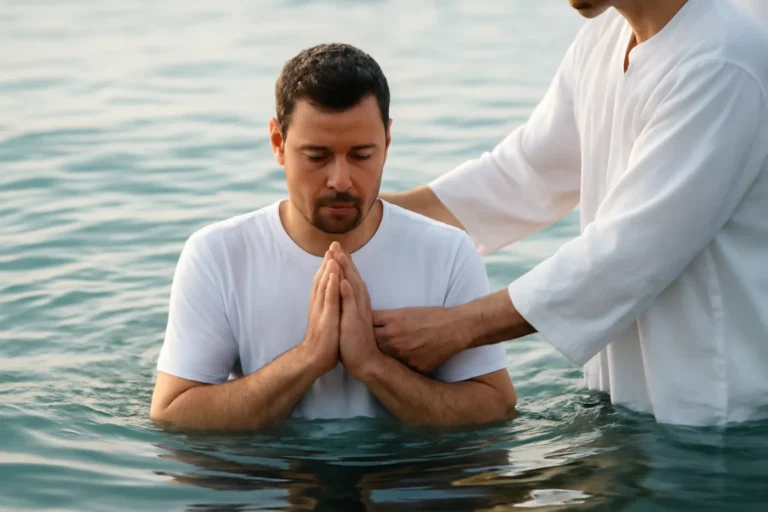
Believer’s baptism by immersion (common in many evangelical communities): The believer is immersed in water, symbolizing death to sin and new life in Christ.
Infant baptism or children’s baptism (practiced in Catholic, Orthodox, and some Protestant churches): The rite expresses covenant inclusion and grace for the child and family, often followed by confirmation and instruction.
Sprinkling or pouring (used in several denominations): Water is poured over or sprinkled on the candidate, symbolizing cleansing and the Spirit’s presence.
If you value a particular mode, discuss it with your prospective spiritual community. The key is to understand what the act represents and how it will be lived out within community and daily life.
5) Prepare a Personal Testimony (Optional but Helpful)
Some baptism formats include sharing a brief testimony. Even if not required, preparing a simple narrative of your faith journey can help you articulate your experience of Christ’s work in your life and your decision to be baptized.
6) Plan for a Lifelong Path of Discipleship
Baptism is not the end of a journey but the beginning of a lifelong process of following Jesus. You will want to engage in:
Regular worship and prayer
Bible study and doctrinal teaching
Participation in a local church community and ministry
Service and evangelism opportunities
Common Questions and Distinctions
Is baptism necessary for salvation?
Views differ significantly among Christian traditions. Some teach that baptism is essential to salvation as a means of grace, while others affirm that salvation comes through faith alone and baptism is a faithful response to that faith. In many communities, baptism is a command of Jesus and a meaningful sign of faith, not a magic formula by which grace is earned apart from faith.
What about infants vs. believers?
Debates about infant baptism versus believer’s baptism are longstanding. Infant baptism emphasizes God’s covenant faithfulness and the family’s role in training children in the faith, while believer’s baptism emphasizes personal decision and conscious faith. Both approaches seek to honor God and address the spiritual needs of people at different life stages.
What is the role of the Holy Spirit in baptism?
For many Christians, baptism is linked to the work of the Holy Spirit. Some traditions understand baptism as a Spirit-enabled washing and renewal, while others view the Holy Spirit as the one who empowers faith that leads to baptism. In certain biblical passages, Spirit baptism is described as a separate experience that accompanies or follows water baptism, while in others, baptism and Spirit baptism are seen as part of the same moment of entry into the body of Christ.
Does baptism guarantee a change in behavior?
Baptism signals an intent to follow Christ, but it does not automatically guarantee a perfect life. The transformative work of Christ continues through ongoing discipleship, repentance, and a growing obedience to God. In this sense, baptism into Christ is the opening of a lifelong journey rather than a one-time achievement.
What Happens After Baptism: Living as a New Creation
The moment of baptism is a doorway into a renewed life, not a completion of the journey. After being baptized, many believers pursue a sustained pattern of growth and service. Here are some practical aspects to consider as you move forward:
Discipleship formation: Engage in ongoing study of Scripture, doctrine, and ethical living. A local church or a small group can be a helpful context for accountability and encouragement.
Community participation: Regular worship, fellowship, and service with other believers help deepen faith and provide mutual support.
Spiritual disciplines: Prayer, fasting (where appropriate), fasting, silence, and reflection become habitual avenues for hearing God’s voice and aligning your life with His will.
Ethical living and mission: The transformation signified by baptism should translate into practical changes—love for neighbors, integrity in work, and a willingness to share hope with others.
Variations in Practice Across Traditions
It is important to recognize that Christians around the world practice baptism in diverse ways, often shaped by historical context, theology, and pastoral priorities. Some of these variations include:
Baptism by immersion: Emphasizes participation in Christ’s death and resurrection, often viewed as the most faithful expression of the biblical imagery of burial and rising again.
Infant baptism with confirmation or catechesis: Sees baptism as the initiation into the covenant community and a commitment by parents or godparents to raise the child in the faith.
Believer’s baptism with a public profession: Focuses on the candidate’s personal faith and explicit trust in Jesus, typically following a period of teaching and discernment.
Sprinkling or pouring: Used in traditions where immersion is not customary, yet the water rite remains a meaningful sign of cleansing and the Spirit’s presence.
In every case, the shared goal is to honor the person’s decision to follow Christ and to incorporate them into the life of the church as a member of the body of Christ.
Tips for Clergy, Mentors, and Communities Preparing for Baptism
Churches and spiritual mentors play a central role in helping candidates understand and experience the fullness of baptism. If you are part of a faith community or leading one, consider these guiding practices:
Provide clear, respectful explanations of the meaning and implications of baptism.
Offer a patient, scripturally grounded framework for exploring faith, repentance, and trust in Christ.
Create opportunities for personal testimony and for questions to be asked in a safe, supportive setting.
Ensure that baptism is integrated into a broader process of discipleship and pastoral care.
Baptism Into Christ as a Launch Point
Baptism Into Christ is a core element of the Christian journey for many believers. It marks a decisive step of identification with Jesus, a public declaration of commitment, and an invitation to a life of ongoing transformation within the Church. Whether described as baptism into the body, water baptism, believer’s baptism, or immersion, the essential reality remains: the person who is baptized is entering into a relationship with Christ that shapes every aspect of living—thought, affections, choices, and relationships.
If you are contemplating this spiritual milestone, take time to explore your beliefs, seek guidance from trusted mentors, and engage with a faith community that can walk with you through teaching, preparation, and the baptism itself. The journey after baptism is not simply a ceremony but a daily invitation to live out the truth of the gospel: that you are a new creation in Christ, your sins are forgiven, and you are empowered by the Spirit to love God and neighbor. This is the beauty and the promise of Baptism Into Christ.
Baptism Importance: Why This Sacrament Matters Baptism is one of the oldest and most widely observed practices in the Christian faith. Across traditions, it has been celebrated for centuries as a defining moment in a person’s journey of faith. This article explores baptism’s significance from multiple angles—from its scriptural roots and theological meanings to its…
Baptist baptism stands as one of the most distinctive and defining practices within the Baptist tradition. It is more than a ritual moment; it is a deliberate expression of belief, a public witness of faith, and a visible sign of a transformative relationship with Jesus Christ. In Baptist life, baptism is treated primarily as an…
Meaning of the Christian Sacrament The word sacrament refers to a sacred sign or holy rite that conveys divine grace. In Christian usage, a sacrament is more than a ceremony or ritual; it is a tangible action that Jesus Christ instituted to communicate realities beyond the visible world. Across traditions, the expression the sacrament or…
Introduction to Christian Baptism Meaning The topic of Christian baptism meaning touches the heart of how believers interpret the life, death, and resurrection of Jesus Christ. Across centuries and cultures, baptism has stood as a powerful public expression of faith, a ritual that unites individuals with the life of the church, and a theological act…
The phrase Baptized by the Holy Spirit and fire has captivated Christians for generations. It sits at the intersection of God’s empowering presence, personal renewal, and missionary zeal. This article seeks to explain what the expression means, how it is seen across Scripture, and what it might mean for a person’s faith today. Whether you…
Bienvenido a una guía completa sobre el bautismo de nuevo nacimiento. Este tema, conocido también como nacer de nuevo o bautismo regenerativo, es central en muchas tradiciones cristianas que entienden la fe en Jesucristo como el inicio de una vida transformada. En este artículo encontrarás una visión amplia y detallada: su definición, las bases bíblicas,…