Bible Figures: The Complete Guide to Key Biblical People
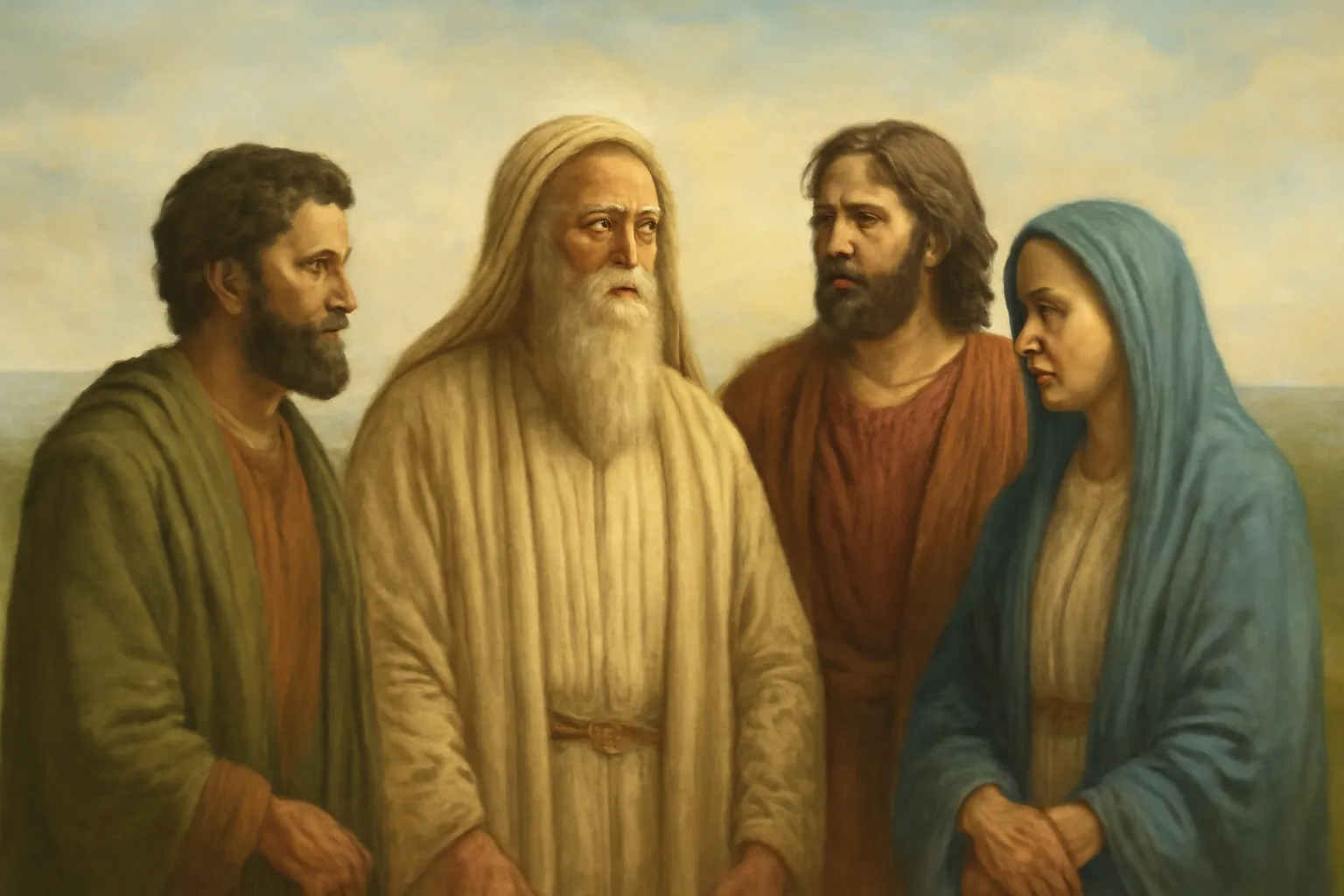
This guide offers a thorough tour of bible figures—the men and women whose stories,
acts, and faith shaped the arc of Scripture. We will explore notable biblical characters,
from the dawn of creation through the beginnings of the church, highlighting their roles,
their decisions, and the enduring lessons their lives offer for readers today. Whether you refer to them as Scriptural figures, biblical personalities, or simply the people of the Bible, these figures illuminate themes such as covenant, trust, mercy, redemption, and callings.
From Creation to the Patriarchs
Adam and Eve
The first humans in the biblical narrative, Adam and Eve, anchor
themes of creativity and disobedience. Their story establishes the idea of free will, the fall, and the promise of future restoration. Their choices set in motion
a long arc of human experience that includes obedience, consequence, and God’s patient engagement with creation.
Noah
As a pivotal figure in the narrative of the early world, Noah embodies righteousness
amid widespread corruption. His ministry centers on obedience—building the ark, surviving the flood, and receiving
God’s covenantal promise. The sign of that covenant—the rainbow—becomes a symbol of God’s
enduring faithfulness to all generations.
Patriarchs, Matriarchs, and the Birth of a people
Abraham, Sarah, Isaac, and Jacob
The stories of Abraham and his wife Sarah are the foundation of the biblical concept of faith and covenant. God’s call to Abraham—“Go from your country” (a move from the familiar
to the unknown)—forms the pattern of a life of trust. The subsequent generations—Isaac and Jacob—carry forward the promises, tests, and blessings. Jacob is renamed Israel, and his twelve
sons become the tribal ancestors of the people of God. The stories emphasize the complexity of human
frailty, the persistence of divine mercy, and the shaping power of lineage and blessing.
The Joseph narrative spans betrayal, providence, and reconciliation. Sold into slavery by his brothers,
he rises to leadership in Egypt and save many lives during famine. Joseph’s life highlights the intertwining of
personal virtue and God’s overarching plan, illustrating how firm trust and repentance can
turn even grave wrongs into purposes that bless others. This figure’s story has often been read as a type of Christ’s own redemptive work—an exemplar of suffering turned toward salvation.
Ruth, Naomi, and Boaz (The Book of Ruth)
Though not a patriarch, Ruth stands as a key biblical heroine who models loyalty,
humility, and courageous faith. Her relationship with Naomi and the later arrangement with Boaz
illuminate the themes of divine providence, inclusion, and the coming lineage of King David. The Book of Ruth
demonstrates that foreigners can become central actors in the story of God’s people and that steadfast love
leads to blessing beyond expectation.
Law, Leadership, and Liberation: Moses and the Exodus
Moses
Moses is the quintessential liberator and lawgiver. Through him, God delivers the Israelites from
slavery in Egypt, gives the Ten Commandments, and leads a people toward the promised land. Moses’
leadership reflects a complex blend of humility, perseverance, and exacting obedience to God’s instructions.
His life also shows the limits of human strength by highlighting how dependence on God enables mighty breakthroughs.
Aaron, Moses’ brother, serves as high priest and facilitator of worship, while Joshua carries
the mantle of leadership into the conquest and settlement of Canaan. The pair exemplifies how spiritual authority and
practical courage work together to advance God’s purposes in history.
The Judges: Deborah, Gideon, Samson, and the Cycle of Faith
The era of the Judges features a rotating cast of leaders who rise in moments of crisis and fade when peace returns. Deborah stands out as a prophetess and judge who guides national initiative with wisdom. Gideon demonstrates how weakness can become strength through reliance on God. Samson embodies
the paradox of formidable strength paired with personal vulnerability. Together, these narratives reveal the recurring
pattern of apostasy, accountability, and divine rescue that characterizes Israel’s history.
Kings, Prophets, and the Moral Compass of Israel
David
David is a central archetype of a “king after God’s own heart.” His life encompasses triumphs and failures:
victories over enemies, a deep musical and spiritual sensibility, and a complex personal journey marked by repentance and mercy. The Davidic covenant anchors Israel’s hope for an enduring dynasty and points forward to
the ultimate fulfillment in the Messiah.
Solomon
Solomon inherits a united kingdom and is renowned for wisdom, wealth, and architectural achievement.
His story also serves as a cautionary tale about the dangers of turning away from the Lord and allowing
prosperity to erode spiritual devotion. The temple imagery central to Solomon’s era becomes a lasting symbol of
national identity and worship.
Elijah and Elisha
The prophetic duo of Elijah and Elisha represents bold confrontation with idolatry and powerful signs
of divine intervention. Elijah’s contest on Mount Carmel and Elisha’s miracles illustrate the dynamic range of prophetic
ministry: calling people back to fidelity, comforting the afflicted, and revealing God’s sovereignty over nations and
nature.
Isaiah, Jeremiah, and the Major Prophets
The prophetic voices of Isaiah and Jeremiah offer graphic descriptions of judgment and
consolation, predicting a future salvation that brings restoration and peace. The Major Prophets together illuminate
the rhythms of warning, hope, and the promise of a future age when the knowledge of God covers the earth.
Daniel and the Exilic Visionaries
In the exile, Daniel remains faithful under pressure, interprets dreams, and steadfastly trusts in God’s
sovereignty. His visions convey both present courage under persecution and a long-range cosmic perspective—God’s
plan extends beyond any single generation, inviting readers to persevere in hope.
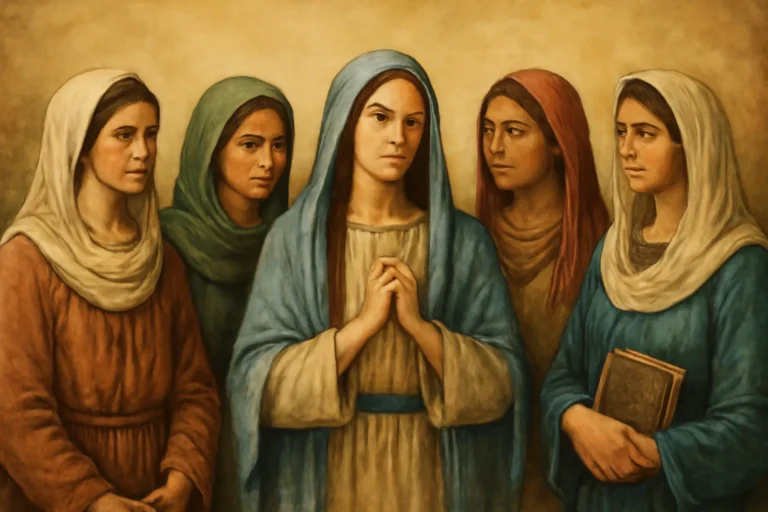
Women of the Old Testament: Faithful Partners in Salvation History
Sarah, Rebekah, Rachel, and Leah
The matriarchs—Sarah, Rebekah, Rachel, and Leah—shape the lineage through which
God’s promises unfold. Their narratives address themes of waiting, blessing, and the often surprising ways God works
through imperfect people to fulfill divine purposes.
Ruth and Naomi
Although Ruth is sometimes categorized with the prophets of the heart rather than the prophets of the mouth,
her steadfast love and conversions illustrate the inclusive reach of God’s plan. Naomi frames the ache of loss and the
path toward reconciliation with faith as the key to a bright future.
Esther and Deborah
Esther embodies courage and advocacy for her people under risk, while Deborah exemplifies wise leadership
and fearless proclamation. Both figures highlight how women in biblical times could be pivotal agents of deliverance
and justice within the community.
Hannah’s prayer for a child becomes a template for faithful petition. Bathsheba appears in a cautionary arc
about ambition, consequences, and the complexity of political life in biblical times. Other women—Miriam, Tamar, and
Phoebe—appear across the sacred text as leaders, worshippers, and messengers of faith who help shape the biblical story.
Wisdom, Grit, and Courage: Job, Psalms, and the Wisdom Literature
Job
The figure of Job embodies endurance under trial and the search for a just explanation in the face of suffering.
His dialogues with friends raise enduring questions about suffering, divine justice, and
the ultimate faithfulness of God. The book invites readers to hold to God’s goodness even when the reasons remain hidden.
Daniel as Wisdom and Visionary
While primarily a prophetic figure, Daniel also contributes to the tradition of wisdom by interpreting dreams
and discerning timelines in light of God’s plan. His life demonstrates the virtue of integrity in exile and the power of
prayer as a steadfast practice.
New Testament Foundations: The Life of Jesus and the Early Community
Mary and Jesus
The Virgin Mary is honored as the mother of Jesus, a model of humility, obedience, and guardian
care for the sacred story. Jesus of Nazareth stands at the center of the Christian narrative, whose life
embodies incarnation, ministry, crucifixion, and resurrection.
His teachings—commandments of love, mercy, and justice—form the ethical core of Christian life and the theology of
salvation.
The Apostles and early believers
The handful of primary witnesses—Peter, James, John—together with other followers
guided the spread of the gospel after Jesus’ resurrection. The apostolic mission emphasizes preaching the good news to all
nations, making disciples, and nurturing communities of worship, service, and mutual support.
Paul and Missionaries
Paul emerges as a key figure in the development of early Christian theology and church life. His letters address
congregational issues, ethical formation, and doctrinal clarity about faith in Christ, justification by faith, and the
unity of believers across diverse cultures. The travels of Paul and other missionaries demonstrate the gospel’s
reach beyond Jewish boundaries to the Gentiles and into the wider Roman world.
Women in the Early Church
Women such as Phoebe (a deaconess and messenger), Priscilla (teacher alongside her husband Aquila), and Lydia (a patron and community leader) played crucial roles in the growth of the early church. Their stories remind
readers that spiritual gifts, leadership, and hospitality were entrusted to many who helped form vibrant Christian communities.
Stephen and the Martyrs
Stephen, the first Christian martyr, embodies a fearless commitment to the truth and a readiness to forgive those
who persecute him. The witness of Stephen and others who faced testing under persecution becomes a powerful witness to the
resilience of faith and the hope of glory.
Key Themes Across Bible Figures
Faith under pressure: Many figures respond to God with trust even when circumstances are daunting.
Redeeming mercy: Time and again, mercy follows failure, and mercy becomes a bridge toward restoration.
Call and obedience: Divine calling often requires leaving comfort zones and stepping into uncertain futures.
Leadership under divine guidance: True leadership is aligned with God’s purposes, characterized by service, wisdom, and humility.
Identity and vocation: Each figure reveals a unique vocation that contributes to the larger narrative of salvation history.
How to Read Bible Figures: A Practical Approach
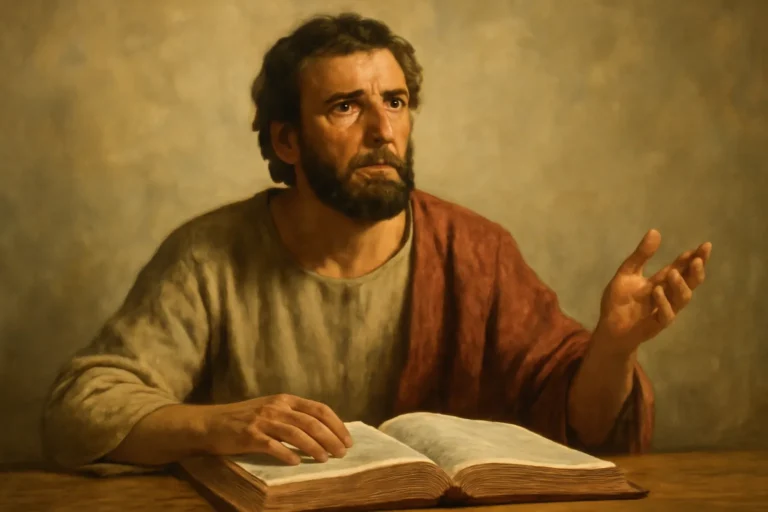
Reading about biblical characters is not only about memorizing names and dates but about drawing lessons
for life and faith. Here are practical approaches to deepen understanding:
Context is key: Consider the historical, cultural, and literary context in which a figure appears. What pressures did they face? What promises were at stake?
Character and vocation: Look for how a person’s strengths and weaknesses shape their actions and how God uses both to accomplish a larger plan.
Themes and motifs: Track recurring ideas such as covenant, mercy, repentance, and redemption.
Cross-references: Compare stories across books to see how a figure’s impact echoes in later generations.
Applications: Ask what these stories teach about faith, community, justice, and hope in today’s world.
The bible figures you encounter in Scripture are not static legends but dynamic portraits of real people
who wrestled with doubt, fear, ambition, love, and loyalty. Their stories invite readers to reflect on the
ambition of the human heart and the gracious abundance of God’s plan. The narrative arc—from creation to redemption—
offers a cohesive framework in which to understand the nature of God, the purpose of humanity, and the possibility
of change through faith. By studying these scriptural figures, readers gain insights into ethical
living, spiritual discipline, and the power of hope even in the face of hardship.
Chronology at a Glance: A Quick Reference for Key Biblical Figures
Adam and Eve: earliest humans; introduction of sin and the first human-divine dialogue about consequences and mercy.
Noah: righteous man in a corrupt world; covenantal promise after the flood.
Abraham and family: faith as trust in divine promises; the formation of the people of God.
Sarah and Hagar as examples of faith, patience, and complex human dynamics under divine plan.
Moses and the exodus: law, liberation, and worship that shapes Israel’s identity.
David and Solomon: leadership, covenant promises, and the temple-era wonder and warning.
Elijah and Elisha: bold prophetic witness in a time of religious apostasy.
Isaiah, Jeremiah, and the prophets: calls to repentance and hopeful visions of future restoration.
Ruth and Esther: loyalty, courage, and the unfolding of God’s plan for his people in ordinary life.
Jesus: center of the gospel; revelation of God’s kingdom, forgiveness, and renewal for all who believe.
Mary and the Apostles: discipleship, witness, and the growth of the church.
Paul and early missionaries: theology in action, church planting, and cross-cultural mission.
Final Reflections: The Living Library of Bible Figures
The Complete Guide to Key Biblical People is not a static catalog but a living invitation. Each figure invites
readers to consider how faith, obedience, doubt, courage, and mercy intersect in the human experience. By engaging with
these characters, one learns to see God’s activity across time and to recognize the enduring relevance of sacred stories
for personal growth, family life, and community transformation. The Scripture’s portraits encourage you to
pursue a life of integrity, kindness, and steadfast trust in God’s promises.
Glossary of Terms and Concepts
Covenant: a solemn agreement between God and His people that shapes identity and obligation.
Faith: unwavering trust and reliance on God, often demonstrated through action.
Redemption: deliverance and restoration accomplished by God, often through sacrifice or mercy.
Prophet: a messenger whose life and words call people to faithfulness and reveal God’s plan.
Apostle: a primary witness to the resurrection who helps establish churches and teach doctrine.
Whether you approach these biblical stories as literature, history, or sacred revelation, they offer
a wealth of insight into human nature and divine grace. The lives of the bible figures invite readers
to reflect on their own spiritual journey: what it means to trust God, to stand for what is right, to seek
justice, to love mercy, and to walk humbly with the one true God.
This guide has highlighted a broad spectrum of bible figures—from the earliest chapters of Genesis through the
birth of the church. The goal is not simply to memorize a list but to cultivate a living appreciation for the breadth
of biblical witness. By exploring the stories of these Scripture personalities, readers can gain a richer
understanding of God’s character, the meaning of faith, and the daily relevance of these timeless truths.
Why the Name Simon Appears So Often in Scripture In the Bible, the given name Simon appears multiple times, attached to a variety of men who play very different roles in biblical narratives. For readers new to the text, or even for seasoned students, it can be confusing to encounter several characters who share the…
Female Bible Characters: A Comprehensive Guide to Women in the Bible Across the pages of scripture, female figures appear in a wide range of roles, from faithful followers of God to bold leaders, from quiet supporters of men to powerful catalysts for history. This guide surveys women in scripture in order to illuminate their stories,…
Why a Bible Character Guide matters The Bible presents a tapestry of biblical characters whose lives illuminate the complex interplay between faith, failure, grace, and redemption. A character study of the Scriptures helps readers recognize patterns that recur across generations: trust under pressure, obedience amid uncertainty, courage in danger, and mercy shown to the unlikely….
Facts About the 12 Disciples: Names, Roles, and Biblical Significance offer a window into the early Jesus movement and the foundations of Christian tradition. This article presents a careful, well-rounded survey of who the twelve were, what roles they played, and what their lives reveal about the theological and historical significance of their ministry. The…