Among the central claims of Jesus’ teaching, the phrase often summarized as “born again” stands out for its concise wording and profound implication. In Scripture, this language signals a radical interior transformation brought about by the Holy Spirit, not merely a change in behavior or a personal vow. This article explores the idea that Jesus said you must be born again, its biblical roots, the linguistic nuances of the original languages, and what this spiritual rebirth means for readers today.
The expression born again communicates a real change that penetrates the heart and reshapes the life. It is not a mere adjustment of habits; it is a new birth of the inner person. The notion appears in Jesus’ dialogue with Nicodemus, but its implications ripple through the entire New Testament as the Gospel unfolds. When people encounter God’s grace in Christ, they are invited to experience a spiritual birth that redefines identity, purpose, and destiny.
In practical terms, to be born again means that a person is renewed by the Holy Spirit, recreated in the image of Christ, and made part of God’s own family. This is why some Christian traditions describe the event as a regeneration—a divine act that makes the old life pass away and makes room for a new life in the Spirit. Recognizing this distinction helps believers understand why the topic matters not only for conversion but for daily discipleship.
Foundations in Scripture: The Core of Jesus’ Message
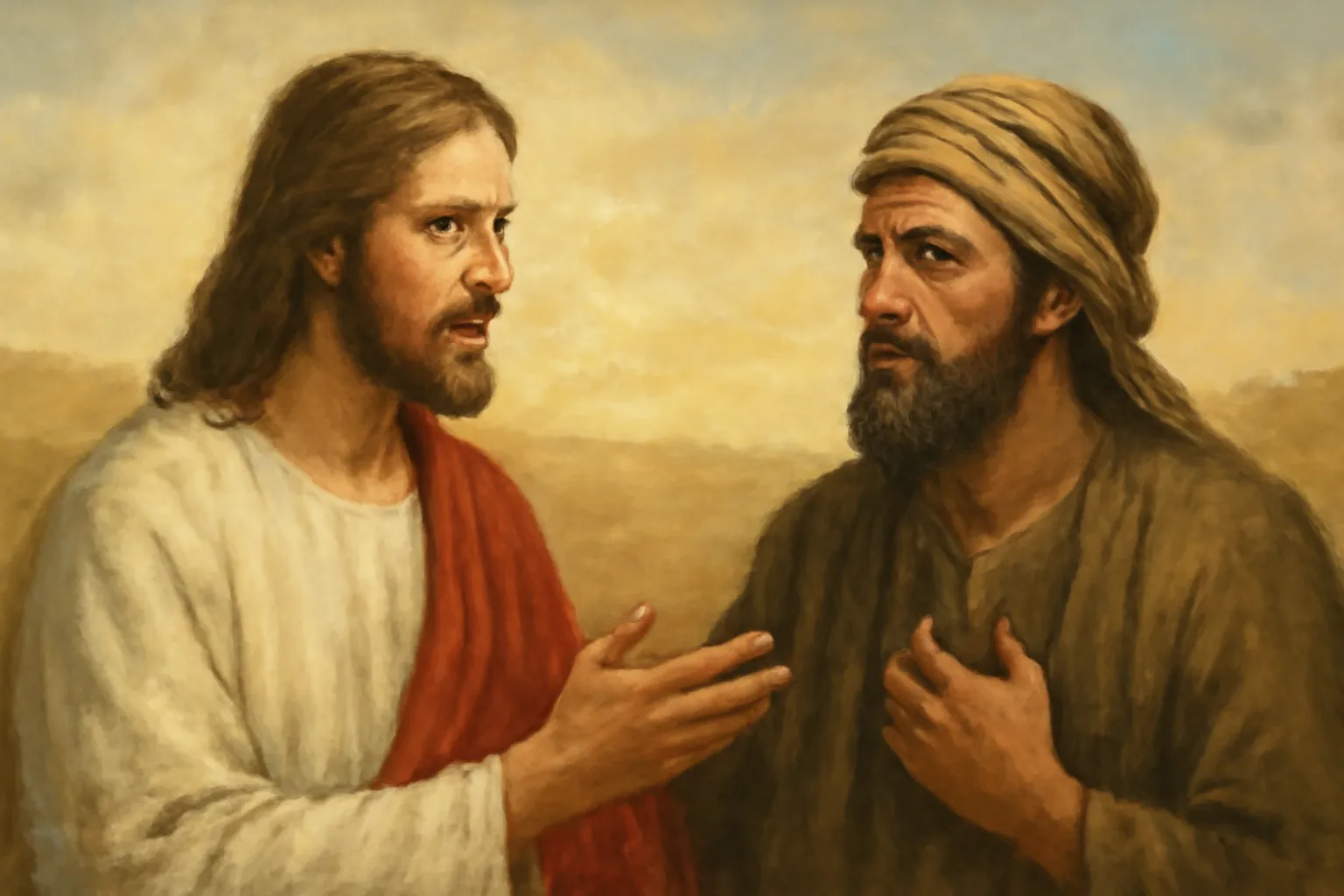
The anchor passage most closely associated with the phrase is Jesus’ conversation with Nicodemus in the Gospel of John. In that encounter, Jesus explained that a person must undergo a transformation that goes beyond physical birth to enter the kingdom of God. The core assertion is often summarized as “you must be born again”, but a fuller reading reveals several linked ideas: spiritual birth, the work of the Holy Spirit, and a new relationship with God.
John 3:3-7: The Conversation with Nicodemus
In this dialogue, Jesus tells Nicodemus that intellectual assent or moral improvement cannot replace the need for a divine act of renewal. He emphasizes that being born of water and the Spirit is necessary to participate in the life God offers. The imagery of the wind suggests a mysterious, sovereign work of the Spirit that cannot be controlled by human effort, yet it bears visible fruit in the lives of believers.
Jesus calls Nicodemus to recognize that external birth cannot guarantee entry into God’s kingdom.
He introduces the necessity of a new birth that comes from above, not from below.
He connects the Spirit’s activity with life change, not with human merit.
Beyond John 3, the broader New Testament universe expands on the theme. The apostolic writers speak of new creation (2 Corinthians 5:17), regeneration (Titus 3:5), and receiving the Spirit as the sign and seal of that transformation (Romans 8; Galatians 4). Taken together, these passages illuminate what it means that Jesus said you must be born again—a work of God that initiates a life in which old desires give way to new priorities under Christ’s lordship.
The Greek Context: Anothen, From Above or Again?
A key to understanding the full weight of Jesus’ statement lies in the original languages. In Greek, the word often translated as “born again” is anothen. This term carries the ambiguity of both “from above” and “again”. Some English Bibles emphasize the former, others the latter, and some blend the nuance. The important point is that the human birth is not the source of the new life; rather, the new life is a gift arising from above by the Spirit.
The concept of a spiritual birth from above aligns with Jesus’ assertion that the Spirit’s activity is sovereign and mysterious. The imagery of wind in John 3 underscores this reality: though you may not see its origin or direction, you sense its presence and power, and you experience its consequences. Translators and theologians therefore often highlight both meanings when they discuss the doctrine: the origin of the life is heavenly, while the experience on earth manifests as transformation.
From above emphasizes divine origin and grace.
Again emphasizes personal renewal and turn from old ways.
The combination helps readers avoid reducing the Christian life to mere ritual or moral reform.
The Meaning of Being Born Again: Transformation, Not Just Information
Being born again signals a radical transformation of the inner life. It is not simply learning new facts about God; it is receiving a new life in relationship with God. The Scriptures describe this as a turning away from sin and toward Christ, a reversal of allegiance, and a new orientation toward the heavenly Father.
The apostle Paul helps us connect the dots between the new birth and the life that follows. In 2 Corinthians 5:17, he writes that anyone in Christ is a new creation; the old has passed away and the new has come. This is not about superficial tweaks but about a deep re-creation by God. The language of regeneration in Titus 3:5 likewise emphasizes that salvation is a gift of God’s mercy, not a product of human works. The result is a life characterized by a new set of loves, values, and loyalties centered on Jesus.
New life in the Spirit replaces the old pattern of sin and self-direction.
Righteous newness becomes the normal result of genuine faith in Christ.
Family identity as children of God grows out of the spiritual birth.
The Relationship to Faith, Repentance, and Baptism
A robust understanding of being born again avoids the trap of reducing the experience to a single moment. Rather, it is deeply connected to the ongoing life of faith, repentance, and participation in the church. The New Testament places these elements in a coherent order: hearing the gospel, trusting in Christ, turning away from sin, and embracing new life within a community of believers.
Faith and Repentance as the Human Response
The new birth is initiated by God’s mercy, but it is received through faith. The heart response—trust in Christ’s atoning work and a turning from self-rule to Christ’s lordship—constitutes the human side of the exchange. This is why many passages describe salvation as received by grace through faith, not earned by works. Repentance, the sincere turning away from sin, remains a crucial companion to faith and the experience of the new life.
Baptism: A Sign, Not a Substitute
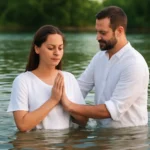
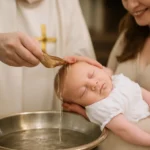
The Bible often presents baptism as a vital outward sign that accompanies the inward renewal. While baptism does not create the new birth, it publicly identifies a person with Christ, his death and resurrection, and the community that follows him. In Romans 6, baptism symbolizes dying to the old self and rising to a new life. In this sense, baptism serves as a public declaration of the invisible work of the Spirit. Different Christian traditions place varying emphasis on the timing and mode of baptism, but most agree that it is a meaningful articulation of the same underlying reality: new life in Christ.
Living the New Life: What It Means for Christian Discipleship
The born again reality prompts real changes in daily life. When a person experiences the Spirit’s work, their loves, desires, and purposes begin to align with Jesus. This does not erase struggle or failings, but it does produce a new trajectory—one that moves toward holiness, love for others, and mission to the world.
Affections reoriented: a love for God and neighbor that grows over time.
Joy and hope rooted in grace, even amid trials.
Fruit of the Spirit—love, joy, peace, patience, kindness, goodness, faithfulness, gentleness, self-control (Galatians 5:22-23).
Within this framework, Christians understand that the statement “you must be born again” remains not only a summary of the moment of salvation but a lifelong invitation to ongoing renewal. The Spirit continues to work, applying the benefits of Christ’s saving work to believers as they grow in faith and service.
There are several frequent confusions surrounding the language of being born again. Clarifying these helps readers avoid reducing the doctrine to superstition, coercive rhetoric, or mere sentiment.
It is not a magical phrase. Saying the words “I am born again” does not automatically produce new life; the life comes from trusting in Christ and submitting to the Holy Spirit’s work.
It is not primarily about a second baptismal act or a ritual shortcut. While baptism can be meaningful, the essential reality is the inner renewal by the Spirit.
It is not about human achievement. The new birth is a divine work, not the result of human effort or personal merit.
It is not solely about moral improvement. The change is profound: a new identity, new loyalties, and a new relationship with God.
For readers who want to understand or experience the new birth, the Bible offers a practical pathway rooted in faith, repentance, and dependence on God’s Spirit. The following steps are a helpful framework for reflection and action.
Hearing the gospel: Engage with the core message about Jesus’ life, death, and resurrection as the basis for forgiveness and renewal.
Responding in faith: Turn one’s heart toward Christ, entrusting one’s life to him as Lord and Savior.
Repenting of sin: Acknowledging and turning away from patterns of rebellion against God.
Belonging to a community: Joining a faith community where believers encourage growth, accountability, and service.
Seeking ongoing renewal: Praying for the Spirit’s activity, reading Scripture, and cultivating spiritual disciplines that sustain growth.
Participating in baptism or the church’s public affirmation of faith, if your tradition teaches this as an outward sign of inward reality.
Variations in Language: How People Describe the Same Reality
Throughout Christian history, theologians and pastors have used a variety of expressions to describe the same fundamental experience. In addition to being born again, you may hear about:
Being born from above as a more literal rendering of anothen.
Regeneration, indicating the divine act of new life being created in the believer.
New birth as a synonym for the same transformative event.
Put differently, becoming a new creation in Christ, with old patterns giving way to new ones.
These variations reflect the same theological truth: salvation begins with God, not with human initiative, and it results in a changed life oriented to God’s purposes.
The Lifelong Implications of the New Birth
The imperative that Jesus said you must be born again speaks to a fundamental reality at the heart of Christian faith. It signals a transition from living by sight to living by the Spirit, from self-rule to submission to Christ, from a shallow religious awareness to a deep, life-long relationship with the Father through the Son. The New Testament presents the born again life as the beginning of an ongoing journey—one marked by growth in grace, obedience, and love.
For readers today, embracing this truth means inviting the Spirit to work within, trusting in Jesus’ atoning work, and walking in continual renewal. It means recognizing that true life comes not from human effort but from the gracious initiative of God who makes all things new. And it means living with the hope that, as the Spirit continues to shape us, the reality of being born again will increasingly define who we are and how we live in the world.
Christianity Conversion: How to Begin Your Faith Journey invites you to explore a meaningful step in life—the moment when a person moves from inquiry to faith, from doubt to trust in Jesus, and from distance to belonging within a Christian community. This article uses multiple ways to describe the path people take when they decide…