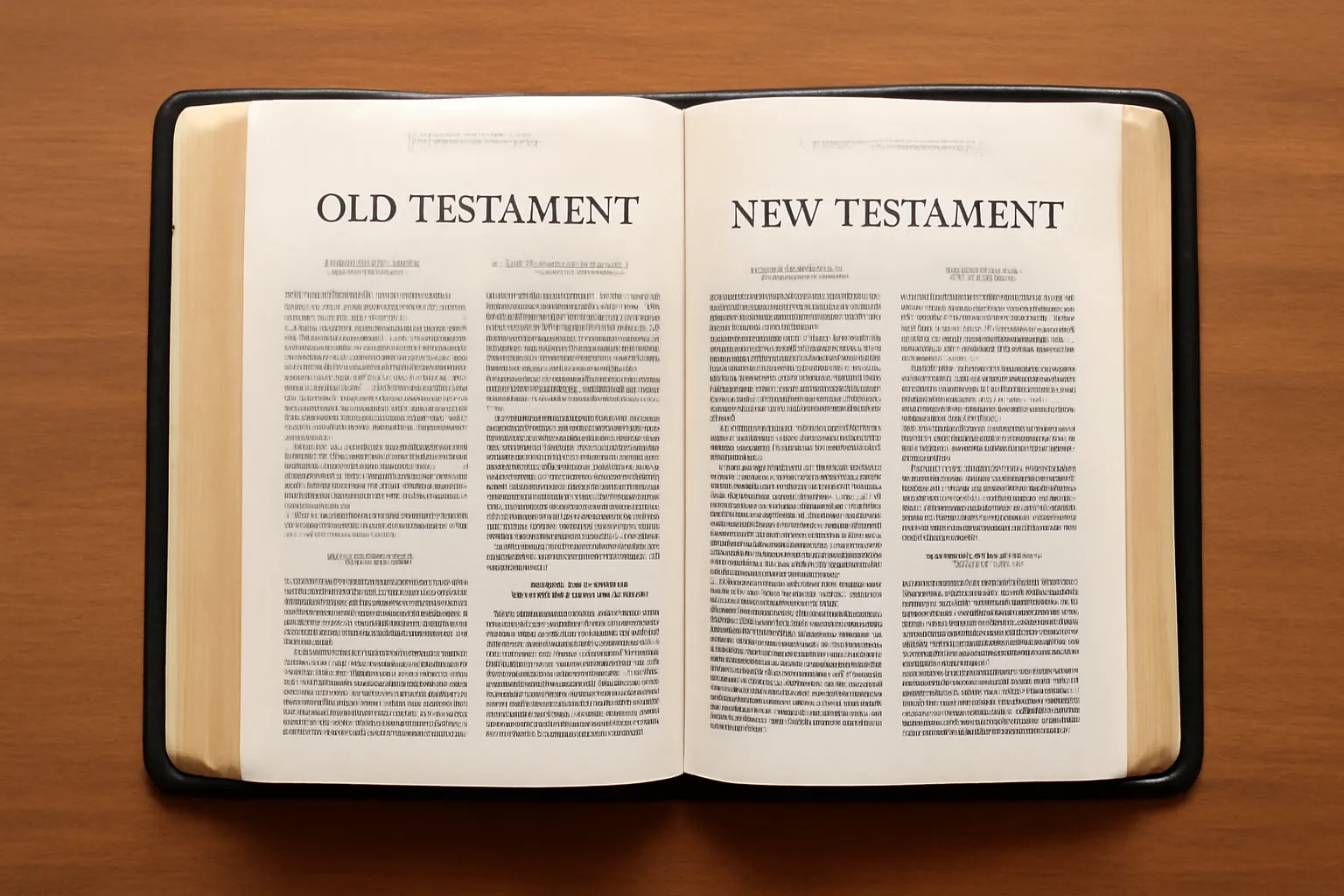
The Bible is a curated collection of sacred writings that together form a shared story, wisdom, law, and faith for millions of people. When we speak of the Bible parts, we refer to the two major sections most traditions recognize as the Old Testament (often called the Hebrew Bible in academic or Jewish contexts) and the New Testament. Beyond simply naming books, understanding how these sections are organized helps readers grasp the historical progression, literary genres, and theological themes that run through the entire corpus. This guide offers a clear map of the Bible’s structure, including major groupings such as the Law, History, Wisdom, Prophecy, the Gospels, the Epistles, and the Apocalypse, with notes on how different traditions arrange the canon.
The Old Testament: Structure, Content, and Key Divisions
The Old Testament (also known as the Hebrew Bible in scholarly circles) forms the foundation of biblical faith in Judaism and in Christian traditions that honor these writings. Its books were written over many centuries and collected into a coherent order that emphasizes creation, covenant, law, history, wisdom, and prophecy. While the exact order and the number of books vary by tradition, the major bible parts remain recognizable across faith communities.
The Law (Torah, Pentateuch)
The first major section is the Law, also called the Torah in Hebrew or the Pentateuch in Greek. These five books establish the origins of humanity, the patriarchs, the formation of Israel as a people, and the moral and ceremonial laws that shaped religious life. The books in this group are:
Genesis — primordial history, the ancestors of Israel, and the beginnings of the nation.
Exodus — deliverance from Egypt, covenant at Sinai, and the early structure of Israelite worship.
Numbers — wilderness wandering, census data, and the journey toward the Promised Land.
Deuteronomy — a restatement of law, Moses’ farewell, and the call to fidelity and obedience.
Together, these five books provide the theological and historical backbone from which the rest of the Bible expands. They are foundational for understanding concepts such as covenant, sin, redemption, and worship.
The Historical Books
Following the Law, the Historical Books narrate the history of Israel from the settlement in Canaan through the rise and fall of the monarchy, the exile, and the returned community after exile. They connect political events to religious faith, showing how fidelity or disobedience to the covenant shapes national destiny. The core titles often included in this section are:
Joshua — the conquest and allocation of land in Canaan.
Judges — a period of cycles of faithfulness and apostasy among the people.
Ruth — a story of loyalty and divine providence set during the time of the judges.
1 & 2 Samuel — the rise of the monarchy (including Samuel, Saul, and David).
1 & 2 Kings — the reigns of kings and the eventual split of the kingdom, leading to exile.
1 & 2 Chronicles — a parallel, often theologically focused retelling of much of the same history with emphasis on worship and temple life.
Ezra and Nehemiah — the return from exile, rebuilding of Jerusalem, and reform under leaders like Ezra and Nehemiah.
Esther — a story of courage and providence within the Persian empire, highlighting themes of identity and protection.
Wisdom Literature and Poetry
A different voice runs through the Wisdom Literature and poetic books of the Old Testament. These works explore human experience, the nature of wisdom, and the complexities of life under God. They provide philosophical reflection, ethical guidance, and devotional poetry that enrich the moral imagination of the reader. Key books in this group include:
Job — a meditation on suffering, divine justice, and human righteousness.
Psalms — a collection of songs, prayers, and ancient hymns that express adoration, lament, thanksgiving, and praise.
Proverbs — short, practical maxims about living wisely in everyday life.
Ecclesiastes — a reflective, sometimes paradoxical meditation on meaning and the limits of human effort.
Song of Songs — a lyrical dialogue about love and beauty, often read as a celebration of relational and divine love.
In some Christian canons, some additionalWisdom literature exists within the broader deutero-canon or apocryphal literature, but the five books above are the core of the canonical Wisdom and poetry in most traditions.
The Prophetic Books
The prophetic voice in the Old Testament is split into two connected groups: Major Prophets and Minor Prophets, named not for importance but for the length of the books. The prophets call Israel back to fidelity, speak of judgment and hope, and point toward a future restoration and a coming Messiah in Christian interpretation. The standard list includes:
Major Prophets — Isaiah, Jeremiah, Lamentations (traditional ascribed to Jeremiah’s voice), Ezekiel, and Daniel (in some canons considered part of the Writings rather than the Prophets).
Minor Prophets — the twelve short prophetic books sometimes referred to as The Twelve: Hosea, Joel, Amos, Obadiah, Jonah, Micah, Nahum, Habakkuk, Zephaniah, Haggai, Zechariah, and Malachi.
The prophetic literature often concentrates on covenant faithfulness, social justice, idolatry, and a forward-looking hope that ultimately centers on a redemptive plan in which God restores creation. In Catholic and Orthodox traditions, the order and inclusion of some prophetic books can differ slightly, especially in the placement of Daniel and the treatment of apocryphal additions in Esther and Daniel.
The New Testament: Structure, Content, and Central Messages
The New Testament comprises writings that interpret the meaning of Jesus Christ, the community formed around him, and the ongoing mission of the church. It centers on the life, death, and resurrection of Jesus and the theological reflections of the early Christian communities. The New Testament is generally organized into four bible parts: the Gospels, the Acts, the Epistles (letters), and the Apocalypse (or Revelation). Below is a closer look at each group and representative books.
The Gospels
The four Gospels tell the story of Jesus from four perspective-rich vantage points. They emphasize different audiences, perspectives, and emphases, but together they present a unified portrait of Jesus’ identity, ministry, death, and resurrection. The canonical Gospels are:
Matthew — emphasizes Jesus as the Messiah and teacher who fulfills Hebrew Scripture.
Mark — the earliest gospel, fast-paced and action-centered, highlighting Jesus as the Son of God and the suffering servant.
Luke — a careful historical narrative with particular attention to prayer, compassion, and social inclusion.
John — the most theological Gospel, focusing on the divine identity of Jesus and eternal life.
The Acts of the Apostles
Acts continues the story after Jesus’ resurrection, detailing the spread of the gospel from Jerusalem to the ends of the earth through the a hybrid of narrative and sermons. It highlights key figures like Peter and Paul, the growth of early Christian communities, the work of the Holy Spirit, and the challenges of bridging Jewish and Gentile communities in the first-century world.
The Epistles (Letters)
The Epistles are letters written to early Christian communities or individuals to instruct, encourage, and address doctrinal and practical matters. They are typically divided into two subgroups: Pauline Epistles and General Epistles.
Pauline Epistles — include Romans, 1-2 Corinthians, Galatians, Ephesians, Philippians, Colossians, 1-2 Thessalonians, 1-2 Timothy, Titus, and Philemon. These letters address matters of faith, church life, sin, grace, and Christian living, often arising from Paul’s missionary experiences and theological reflections on the role of grace and faith in salvation.
General Epistles — include Hebrews, James, 1-2 Peter, 1-3 John, and Jude. These letters address broader communities and themes such as perseverance, wisdom, and the ethical demands of the Christian life.
Across the Epistles, you will encounter repeated topics: faith and works, justification, salvation, the Church, grace, hope, and moral exhortation. They reveal how early believers interpreted Jesus’ life in light of Scripture and how they sought to shape a religious community that lived out that interpretation.
Apocalypse: Revelation
Revelation (also called the Apocalypse) closes the New Testament with a highly symbolic and visionary message about the ultimate triumph of God, the final judgment, and the restoration of creation. It is a book of prophecies, visions, and encouragement to persevere in faith.
Canonical Variations Across Traditions: Protestant, Catholic, and Orthodox Canons
One of the most practical questions about Bible structure is how canons differ across traditions. While the core narrative arc remains similar, the canon (the official list of books) and the arrangement of books can vary. The main differences concern the status and inclusion of certain writings sometimes called deuterocanonical or apocryphal books, and which books are labeled as part of the Old Testament versus the New Testament.
Protestant Canon
In most Protestant traditions, the Bible comprises 66 books: 39 in the Old Testament and 27 in the New Testament. Key features include:
The Old Testament corresponds to the Hebrew Bible with the same core sections: Law, Historical Books, Wisdom, and Prophecy, but arranged differently in many print Bibles.
The New Testament includes the four Gospels, the Acts, the Epistles, and the Book of Revelation, without the additional deuterocanonical writings.
Important note: Protestant readers may encounter references to the same books under different names or orders, but the fundamental content remains consistent with the 27 New Testament writings and the 39 Old Testament writings.
Catholic Canon
The Catholic Bible includes the deuterocanonical books, which are considered canonical in the Catholic tradition but are not always found in the Hebrew Bible. The Catholic canon typically contains the following additional books or sections:
Tobit, Judith, Wisdom, Sirach (Ecclesiasticus), and Baruch.
Additional parts in Daniel (such as the stories of Susanna and the Dragon) and in Esther (additions to Esther).
Some Catholic editions also include 1 & 2 Maccabees and 3 Maccabees in the broader canon, with debates surrounding the exact placement.
These books are often referred to collectively as the deuterocanon (literally “second canon”) within Catholic circles, and they contribute to the richness of the Catholic Old Testament, particularly in areas concerning wisdom literature, history, and piety.
Orthodox Canons
The Orthodox Church maintains an even larger collection of writings in some traditions, and the exact number and order can vary between branches (Greek Orthodox, Russian Orthodox, and other ancient Christian communities). In general, Orthodox canons include most or all of the Catholic deuterocanonical books plus some additional texts sometimes known as the anagignoskomena (readable as sacred by some communities) and other disputed writings. The effect is a broader Old Testament with more historical and wisdom literature and sometimes broader prophetic materials.
Despite these differences, the New Testament remains the same core 27 books in Catholic and Orthodox Bibles, with the differences mostly in the Old Testament. For readers, this means that if you switch traditions, you might encounter slightly different book orders or additional titles, but the central narrative framework—the life of Jesus, the spread of the church, and the apostles’ teaching—remains consistent.
Practical Ways to Approach Bible Parts for Study and Devotion
Understanding the structure of the Bible is not merely an academic exercise; it helps us study with intention, find relevant passages quickly, and appreciate the literary and theological threads that bind the text together. Here are practical approaches to engaging with bible parts in a thoughtful and informed way:
Study by section: Start with a main division (e.g., the Gospels in the New Testament or the Prophetic Books in the Old Testament) and then drill down into individual books and their key themes.
Compare canons: If you have access to multiple Bible editions, compare how the Old Testament is ordered or which books are included in the deuterocanon to gain a sense of tradition and perspective.
Follow literary genres: Treat the historical narratives with attention to plot and character, the wisdom literature with reflection and proverb-like statements, and the prophetic writings with calls to righteousness and hope.
Cross-reference: Use cross-references to see how a theme, person, or event appears in multiple books, which often illuminates a fuller theological picture.
Note canonical placement: Be mindful that the same person or theme can appear in different sections (for example, a prophetic voice in the Old Testament can be referenced in the New Testament and in the Epistles).
Study with a plan: Create a reading plan that alternates between Old Testament and New Testament to maintain balance and keep the broader story in view.
Utilize annotations: Use study Bibles, concordances, and scholarly notes that explain historical context, literary forms, and theological interpretations of the various bible parts.
How to Navigate Common Questions About Bible Parts
Readers frequently ask about the number of books, the arrangement, and the purpose behind each division. Here are concise answers to common queries that help clarify the structure without overwhelming detail:
How many books are in the Bible? The answer depends on tradition. The Protestant canon typically contains 66 books (39 in the Old Testament and 27 in the New Testament). The Catholic canon includes additional deuterocanonical books, bringing the total to about 73 in most Catholic Bibles. Orthodox canons vary more widely, often including even more texts.
What is the difference between the Old and New Testaments? The Old Testament covers creation, covenant, law, history, wisdom, and prophecy leading up to the life of Jesus. The New Testament centers on Jesus and the early church, addressing how people live out faith now that the Messiah has come.
What are the major divisions within the Old Testament? The traditional divisions are Law (Torah/Pentateuch), Historical Books, Wisdom Literature, and Prophetic Books (Major and Minor).
What are the primary groupings within the New Testament? The main groupings are Gospels, Acts, Epistles (Pauline and General), and Revelation.
Terminology and Variants: Key Terms to Know
As you study, you will encounter several important terms that describe the Bible’s structure and its content. Here is a quick glossary of the most helpful terms, with emphasis on how they relate to bible parts:
Canon — the official list of books recognized as sacred scripture in a tradition.
Deuterocanonical — books included in the Catholic Old Testament but not in the Hebrew Bible or Protestant Old Testament; often referred to as the second canon.
Apocrypha — a term used in some traditions to describe writings that are not part of the canonical Bible but are included in some versions or considered useful for study. The term has varied usage across traditions.
Torah — the first five books of the Bible; sometimes called the Law or the Pentateuch in Greek.
Prophets — a category within the Old Testament comprising the prophetic books, including the Major and Minor Prophets.
Epistles — letters written by early Christian leaders to churches or individuals, forming a significant portion of the New Testament.
Apocalypse or Revelation — the final book of the New Testament, containing symbolic visions about the end times and the ultimate triumph of God.
A Cohesive Picture of God’s Story Through Bible Parts
Understanding the Bible by its bible parts helps readers appreciate how a multi-genre library can convey a single, overarching story. From the Law that establishes divine expectations to the Gospels that reveal Jesus’ life and mission, to the Epistles that interpret and apply faith in concrete communities, the Bible presents a complex but coherent narrative. Distinct traditions may place emphasis on different books or include additional writings, but the core arc remains recognizable across Christian faith: God’s creation, humanity’s responses, the revelation of salvation in Jesus Christ, and the invitation to live out faith in everyday life.
Further Reading and Resources: Deepening Your Understanding of Bible Parts
For readers who wish to expand their knowledge, several resources can help you dive deeper into the bible parts and their contexts. Consider these categories when planning your study:
Introduction guides to the Old Testament and New Testament, which explain authorship, historical context, and literary genres.
Comparative canons that show how different traditions order and include certain books within the same Bible text.
Historical-critical commentaries that explore the culture, language, and historical circumstances surrounding the texts.
Faith-based study aids that offer devotional reflections aligned with the structure of the Bible, helping readers apply the teachings of bible parts to daily life.
By approaching the Bible as a structured library of sacred literature—comprising the Law, the Historical Books, Wisdom, Prophecy, the Gospels, Epistles, and the Apocalypse—readers can navigate this vast collection with confidence. The differences in canons among Protestant, Catholic, and Orthodox traditions offer rich avenues for study and reflection, inviting readers to consider how each tradition values certain texts and themes while sharing a common core narrative. May this guide serve as a reliable compass for exploring the bible parts and the enduring messages they carry.
Bible Book Categories: A Guide to the Bible’s Structure The Bible is a library of sixty-six books (in most Protestant traditions) or more in Catholic and Orthodox canons. Beyond its individual narratives, poems, laws, and letters, the Bible is organized into distinct for categories or sections that reflect how its stories and teachings developed over…