Understanding the Trinity: A Guide to God in Three Persons in One Essence
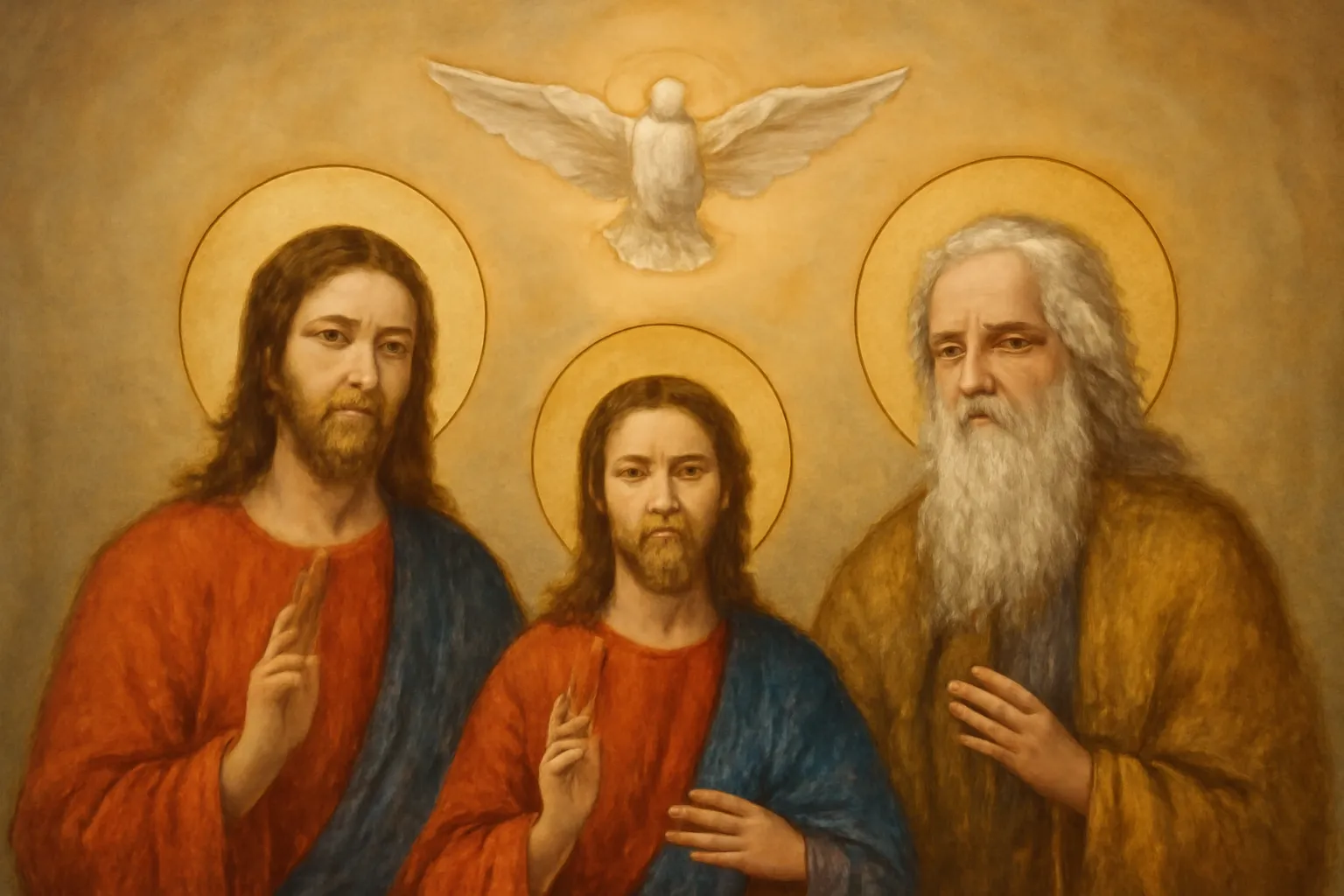
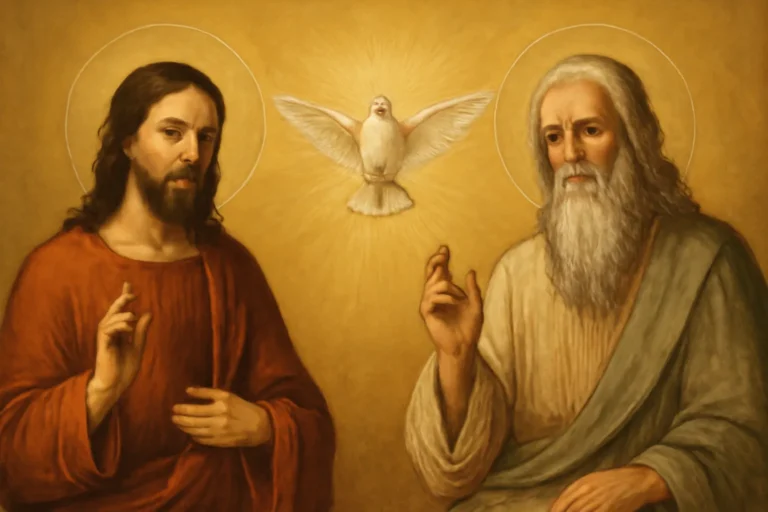
The phrase “God 3 in 1” is a shorthand that many people use to describe a central confession of historic Christian faith: the Trinity. This doctrine holds that there is one God who exists as three distinct Persons — the Father, the Son, and the Holy Spirit — who share the same essence or being. In other words, Christians affirm a single divine nature that is relationally expressed in three coequal and coeternal Persons. The goal of this article is to offer a careful, accessible overview of what the Trinity means, why it matters for belief and worship, and how Christians understand this mystery without reducing the divine reality to a simplistic analogy.
As you read, you will encounter a range of terms that are used in doctrinal discussions. To help clarify, note that many scholars distinguish between essence (what God is) and persons (who God is in relation to Father, Son, and Spirit). The classic phrase “one Being in three Persons” captures the core claim, though there are many helpful nuances in how theologians have explained relationships within the Godhead. The doctrine is often summarized by the Latin terms una substantia (one substance/essence) and Tres hypostases (three persons). While these terms arise from historical reflection, the ultimate point is biblically grounded: Christians confess a single divine reality that reveals itself in three distinct, personal expressions who relate to one another and to the world in redemptive ways.
Defining the Trinity: Core Concepts
In popular language, people speak of the Triune God or the three-in-one Godhead. In theological terms, several core propositions anchor orthodox teaching:
One divine essence — There is only one God. The Trinity does not involve three separate gods, but one God in three persons.
Three distinct persons — The Father, the Son, and the Holy Spirit are not merely modes or manifestations of a single divine force; they are distinct personal realities with their own relational properties.
Co-equal and co-eternal — No Person is created, subordinate, or less divine than the others. Each Person shares the same divine nature without division or disparity.
Perichoresis (mutual indwelling) — The Father, Son, and Spirit dwell in one another in a profound, intimate communion, without confusing their distinctiveness.
From a pastoral standpoint, this means that Christian life is shaped by a God who is inherently relational, a God who exists in eternal fellowship, and a God who invites humanity into a relationship that reflects that perfect mutual love. The language of revelation—that God discloses Himself to people—becomes meaningful here: God reveals Himself as Father, as Son, and as Spirit, not as three separate gods but as one Divine Subject who acts in history for salvation.
Key terms to know
Essence or substance: what God is in Himself; the one divine nature shared by Father, Son, and Spirit.
Person: the distinguishing relational centers within the Godhead — Father, Son, and Spirit.
Hypostasis: a technical term often rendered as “person” in the sense of a distinct subsistent reality within the Trinity.
Coessential: sharing the same divine essence; each Person fully God.
Chronologicality or eternality: the Father, Son, and Spirit are eternal; the Trinity does not imply a beginning in time.
Perichoresis: the mutual indwelling and interpenetration of the divine Persons, preserving their personal distinctions while indicating perfect unity.
Historical development: How the church clarified the Trinity
The doctrine did not arise in a single moment or out of a vacuum. It emerged through the faith communities wrestling with Scripture, experience, and the questions people raised about Jesus, the Spirit, and the character of God. Early Christians faced real doctrinal challenges, such as:
Modalism or Sabellianism, which suggested Father, Son, and Spirit were modes or manifestations of one Person rather than distinct Persons.
Arianism, which argued that the Son was created and therefore not fully God in the same way as the Father.
Subordinationism in various forms, which treated the Son or the Spirit as inferior to the Father.
In response to these concerns, the church organized its confession around two key moments in the early centuries. The Council of Nicaea (325 CE) affirmed that the Son is of the same essence as the Father, opposing Arian views that denied full divinity to the Son. The subsequent Nicene Creed (often read together with the Constantinopolitan Creed of 381 CE) sharpened the language to include, among other things, explicit mention of the Holy Spirit’s divinity and personhood. Over time, theologians explored the relationships within the Trinity, giving priority to biblical witness while avoiding over-systematization. The classic formulations that you will encounter in Christian teaching are, in many traditions, the Nicene Creed and the Athanasian Creed, both of which articulate a robust, doxological confession of the Triune God.
The history of these debates teaches a crucial lesson: the Trinity is not a theory invented to fit a philosophical grid; it is a faithful attempt to articulate what scripture reveals about the identity of God and God’s actions in the world. The aim is to honor biblical language while recognizing the protean mystery of the divine life. The Trinity, then, remains a matter of faith and trust in a God who has chosen to disclose Himself in history and in Jesus Christ.
Biblical foundations: What the Bible says and does not say about the Trinity
For many Christians, the Trinity is not a purely philosophical claim but a biblical one — grounded in the way the Father, the Son, and the Spirit are described and related across the biblical narrative. The evidence is often discussed in two broad streams: references that point to the Father, Son, and Spirit in distinct ways, and passages that describe the oneness of God’s essential being.
Old Testament glimpses and foreshadowings
Although the Old Testament does not contain a fully developed doctrine of the Trinity, many interpreters find signs of complex divine identity in texts such as:
The use of plural language in Genesis 1:26, where God says, “Let us make humankind in our image.”
The appearance of the Spirit of God moving upon the waters in the creation account.
Messianic expectations and prophetic passages that anticipate a divine activity associated with the Son and the Spirit.
For readers who emphasize continuity between Testaments, these passages are read as pointing toward later, fuller revelations rather than as a standalone doctrine in the older covenant. The key point for our purposes is that the biblical narrative opens the way for a New Testament climax in which Father, Son, and Spirit are clearly described in relation to one another and to the world.
New Testament foundations
In the New Testament, the Father, the Son, and the Holy Spirit are named in ways that build the case for a complex unity:
The Father is described as the source of Jesus’ mission and the one in whom Jesus prays and operates.
The Son is identified as Jesus Christ, the Word who became flesh, the one through whom creation and salvation come, and the one who reveals the Father.
The Holy Spirit is presented as the divine presence that empowers, guides, and applies the work of Christ to the church.
Key passages that Christians often cite include Matthew 28:19, where Jesus commissions disciples to baptize “in the name of the Father and of the Son and of the Holy Spirit,” a formulation that underscores the unity of the triune confession. John’s Gospel emphasizes Jesus’ identity and relationship with the Father and the Spirit’s ongoing work in the world. Paul’s letters speak of Christians being sealed with the Spirit, filled with the Spirit, and living by the Spirit, while attributing to God the Father and Jesus the Son a shared work in salvation and creation. Taken together, these texts invite a holistic reading: one God who reveals Himself in a triadic pattern of relationship and action.
It is important to acknowledge that the Bible does not provide a dry, abstract definition directly stating “the Trinity is three persons in one essence.” Instead, it presents a pattern of language and events that, when received together with tradition and reason, leads to that robust doctrinal statement. Christians emphasize that this doctrine aims to preserve the full deity of the Father, Son, and Spirit while maintaining their personal distinctions and their unity of being.
Analogies and caveats: How believers have tried to explain the Trinity
Over the centuries, Christians have used a variety of analogies to help people grasp the Trinity. Each analogy, however, has its limits and can mislead if taken too literally. The aim is not to find a perfect parallel but to illuminate the mystery in a way that respects biblical truth.
Common analogies and their limits
Water, ice, and steam — different modes or manifestations of the same substance. Limitation: This is often described as modalism, which misrepresents the personal distinctions within the Trinity.
Sun and its rays — the sun (Father) emits light and heat (Son and Spirit). Limitation: The relationship is not the same as personal distinctions and can blur the personal realities of Father, Son, and Spirit.
One person with three roles (teacher, parent, friend) — one person performing three functions. Limitation: This can suggest subordination or lack of personal distinction, which the Trinity does not endorse.
Gas, liquid, solid — one substance with different states. Limitation: Similar to water, this fails to preserve genuine personal distinctions within God.
Good teaching about the Trinity often uses more nuanced illustrations, such as the dance of relation within the Godhead, or the idea of perichoresis — mutual indwelling that preserves unity without collapsing personal difference. The goal is to avoid reducing the divine mystery to a single image, while still helping believers to experience the living reality of the Triune God in worship and prayer.
Three major formulations in Christian faith communities
Different Christian traditions have emphasized particular creedal definitions as a way of guarding the truth about the Triune God. While the vocabulary and emphasis may vary, the underlying confession remains committed to the same basic truth: the Father, the Son, and the Holy Spirit are one God in three Persons.
Nicene tradition — The Nicene Creed, shaped by debates about the divinity of the Son, is foundational for affirming that the Son is begotten, not made and of the same essence as the Father. This tradition also affirms the full divinity of the Holy Spirit.
Apostles’ tradition — The early baptismal formula and creedal material that circulated in the apostolic and post-apostolic age emphasize the Trinity in worship and instruction, reinforcing the pattern of baptizing in the name of the three Persons in unity of being.
Athanasian and broader ecumenical emphasis — The Athanasian Creed articulates a detailed, systematic account aimed at safeguarding orthodox distinctions within the Trinity, especially regarding the relationship between the divine Persons and the consistency of their attributes and work.
In practice, many contemporary churches hold that the Triune God is the object of worship and the source of all Christian faith. Sermons, liturgies, and personal devotion often reflect this triadic pattern — acknowledging the Father’s plan, Christ’s incarnate@return in the Son, and the Spirit’s ongoing work in the life of believers and the church. The aim is to cultivate a living relationship with God as Father, Son, and Spirit, while recognizing the unity of God’s single essence and the genuine distinction of Persons.
Practical implications: What the Trinity means for faith and worship
The doctrine of the Triune God is not merely a technical confession for theologians; it shapes how Christians relate to God, how they understand salvation, and how they live together as a community. Here are several practical implications worth noting:
Prayer and worship are often addressed to the Father, through the Son, and in the Spirit, reflecting biblical patterns and fostering an awareness of divine fellowship in the Godhead.
Creation and redemption are spoken of as a triune work: the Father ordains, the Son accomplishes salvation, and the Spirit applies it to believers, creating coherence between creation and redemption.
Love and community are seen as reflections of the Trinity’s eternal relationship. Christians are invited into that relationships-centered life, modeled in kinship and mission within the church.
Baptism and sacraments are often grounded in the Triune formula. Baptism, for example, is performed “in the name of the Father, and of the Son, and of the Holy Spirit,” signaling entry into a shared life with God and the community.
Spiritual fruit and regeneration are described as the Spirit’s work, while the Son’s atonement and the Father’s love provide the ground and motivation for transformation in the life of believers.
From the pulpit to private devotion, the Trinity reminds Christians that God exists in an eternal, perfect fellowship. This suffuses ethics, forgiveness, and mission with a pattern of mutual love and humble service. Believers often find that understanding the Triune God helps them navigate questions about authority, sacrifice, and the nature of true community in a world marked by division.
Common questions and thoughtful answers about the Trinity
Because the doctrine touches on the deepest realities of who God is, it naturally invites inquiry. Here are some frequent questions and concise explanations that reflect a careful, respectful approach:
Why would God reveal Himself as three persons? The Father, Son, and Spirit together reveal the breadth of God’s relationship with the world: the Father’s plan, the Son’s redemption, and the Spirit’s empowerment. The Trinity makes sense of how God can relate to creation, to humanity, and to Himself in perfect love.
Is the Trinity compatible with monotheism? Yes. The Trinity remains monotheistic — there is one God — but that one God exists as three eternal Persons. The claim is not that there are three gods, but that there is one God who reveals Himself in three persons.
Do the three Persons have wills that conflict? No; in orthodox teaching, the divine Persons are consubstantial and perfectly united in will and action. Dissonance would signal a deviation from the divine nature, not a feature of the Godhead.
Why is this doctrine so complex? The complexity reflects the depth of God’s nature and activity. The Trinity seeks to honor biblical testimony about Father, Son, and Spirit while resisting attempts to reduce God to any one mode of manifestation or any human analogy that can mislead.
For many, wrestling with these questions is part of a faithful journey of learning. The Church’s goal is not mere intellectual assent but a life transformed by relationship with the Triune God, who invites people into a fellowship of love that has always existed within the Godhead.
Living the mystery: How belief in the Triune God shapes life
Belief in the Triune God has practical ramifications for how Christians view identity, community, and service. Several themes recur in faithful living shaped by the Trinity:
Identity — Being made in the image of a relational God means humans are designed for relationships that honor truth, love, and mutual respect.
Grace and forgiveness — The Father’s plan, the Son’s atonement, and the Spirit’s renewal together make forgiveness possible and powerfully transformative.
Worship as relationship — Worship is not a one-dimensional act of praise but a relational encounter with the Triune God who calls people into his love.
Mission — The mutual love within the Trinity becomes the motive and model for outreach, justice, and service to the world.
Unity and diversity — The Trinity preserves the beauty of unity without erasing the distinctiveness of each Person, encouraging churches to value diversity while remaining united in core truth.
In devotional life, many believers find it meaningful to frame daily practice around the triune pattern: prayer directed to the Father through the Son by the Spirit; reflections on the Son’s work through Scripture; and a life shaped by the Spirit’s empowerment for love, hope, and moral courage. This rhythm can anchor a Christian life in the mystery of God while offering concrete ways to grow in faith and character.
Embracing mystery with clarity and reverence
The doctrine commonly summarized as “God 3 in 1” invites Christians to confess a God who is one in essence yet relationally disclosed as Father, Son, and Holy Spirit. It is not a dry abstraction but a living truth that shapes worship, informs ethics, and inspires mission. The Trinity stands as a boundary for what Christians can say about God and a bridge for understanding how God acts in the world and in the life of believers. While the precise mechanisms of the divine life may remain beyond human comprehension, the biblical witness and historic confession offer a reliable compass for faith and practice.
As you continue to explore this topic, you may wish to engage with primary texts and reputable commentaries, attend teaching on the Trinity in your faith community, or participate in reflective prayer that names the Father, the Son, and the Holy Spirit. The aim is not to produce a flawless system of doctrine but to cultivate a living, honest encounter with the God who reveals Himself as a Triune God — a God who desires relationship, offers grace, and empowers his people to bear witness to his love in the world.
God, the Holy Spirit, and Jesus Are One: Trinity Explained The doctrine commonly called the Trinity is one of the most central and also one of the most challenging ideas in Christian faith. It speaks of God as a single divine reality who reveals Himself in three distinct, yet inseparable, ways. In popular terms, Christians…