Learn About Christianity: A Beginner’s Guide to Beliefs, History, and Practices
Welcome to a comprehensive introduction designed for someone who wants to learn about Christianity. This guide aims to present the essentials in clear language, while also offering historical context and practical guidance. Whether you are exploring for personal reasons, school, or intellectual curiosity, you will find a map of the faith’s beliefs, its long and varied history, and the practices that shape daily life for Christians around the world. Throughout this article, you may encounter phrases like Christian faith, biblical traditions, church, and sacraments, each of which carries important meaning for different Christian communities. You can think of this as a starting point for discovering Christianity, or as a way to learn about Christian beliefs in relation to culture, history, and personal spirituality.
What Christianity Is: Core Beliefs
At its heart, Christianity is about a relationship with God as revealed through the person of Jesus Christ. Across many traditions, there is broad agreement on several core beliefs, even as interpretations and practices differ. If you are new to the subject, focusing on these essentials can help you learn about Christian beliefs without getting lost in denominational debates.
Monotheism — Christians affirm one God, who is personal, eternal, and the Creator of all things.
The Trinity — God is understood as three persons (the Father, the Son, and the Holy Spirit) in one divine essence. This concept is central to most Christian traditions and is often described as a mystery that helps explain God’s fullness of being and relationship.
Jesus Christ — Christians believe Jesus is both fully divine and fully human, who came to reveal God’s love, teach about the Kingdom of God, and save humanity from sin through his life, death, and resurrection.
Scripture — The Bible is regarded as sacred literature that records God’s actions and teachings. The two main sets of writings are the Old Testament and the New Testament. Different traditions recognize slightly different canons, but all affirm the Bible as a primary source for faith and practice.
Salvation by grace through faith — Many Christians believe that salvation is a gift from God that people receive through faith in Jesus, rather than something earned solely by personal effort or merit. The precise language about how this works varies by tradition, but the core idea is trust in Christ’s saving work.
Sacred practice and community — Christians gather in church communities to worship, learn, and support one another. Prayer, worship, service, and the study of Scripture are common practices across the tradition.
As you learn about Christianity, you will notice that the emphasis on these beliefs can vary by tradition. Some communities stress a liturgical calendar and formal creeds, while others highlight personal conversion, mission, and social justice. The diversity reflects a long history of interpretation, culture, and mission, but the shared anchor remains the belief in Jesus as the key figure of the faith.
The Bible and Its Role in Christian Life
Central to the Christian life is Scripture. Christians hold that the Bible (a library of books written across several centuries) communicates God’s will and shapes belief, worship, and ethics. Understanding how Christians view the Bible helps you get a sense of why Christians differ in some areas while remaining in agreement on others.
Old Testament — A collection of writings about creation, human history, law, poetry, prophecy, and wisdom. For Christians, these texts point toward God’s ongoing relationship with the world and anticipate the arrival of Jesus.
New Testament — Documents that tell the story of Jesus’ life, his teachings, the early Christian communities, and the meaning of faith in the risen Christ. The four canonical Gospels (Matthew, Mark, Luke, John) present the life and message of Jesus from different angles.
Canon and interpretation — The set of books deemed authoritative varies somewhat across Christian communities, but all share a commitment to reading Scripture within the tradition of the church and guided by historical study, prayer, and communal discernment.
In practice, Christians may read the Bible devotionally, for study, or for guidance in how to live in the world. Different communities emphasize different genres—historical narrative, poetry, prophecy, or letters (epistles)—and these genres shape how readers understand God’s will and moral living.
The Life and Teachings of Jesus
Central to Christian faith is the figure of Jesus of Nazareth. The life and teachings of Jesus are presented in the Gospels of the New Testament and are the basis for Christian belief about God’s Kingdom, forgiveness, and ethical living. To learn about Christianity through Jesus’ life is to encounter themes of love, mercy, justice, and the call to repentance and faith.
Christians celebrate the birth of Jesus as the Incarnation, the belief that God became human. This event is commemorated in the Christmas season and is seen as the entry of God into human history to bring light to the world.
Ministry and Teachings
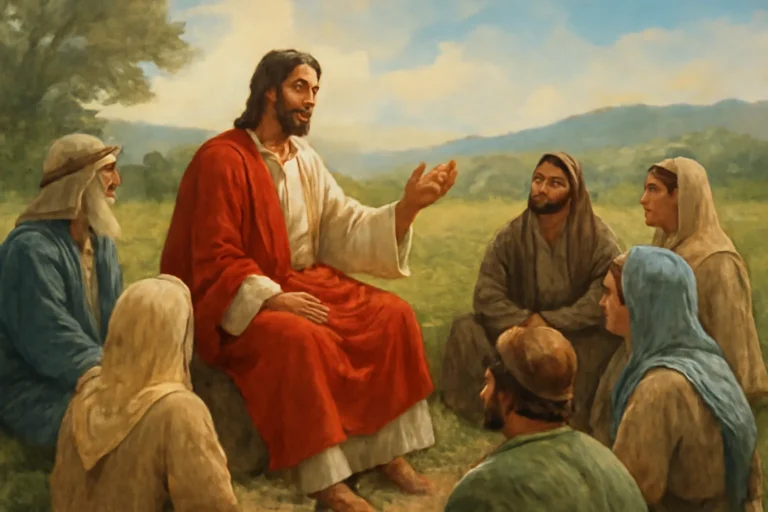
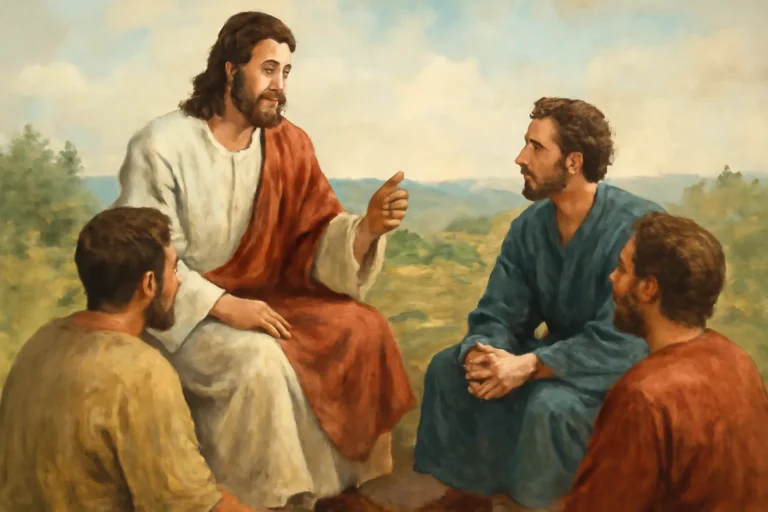
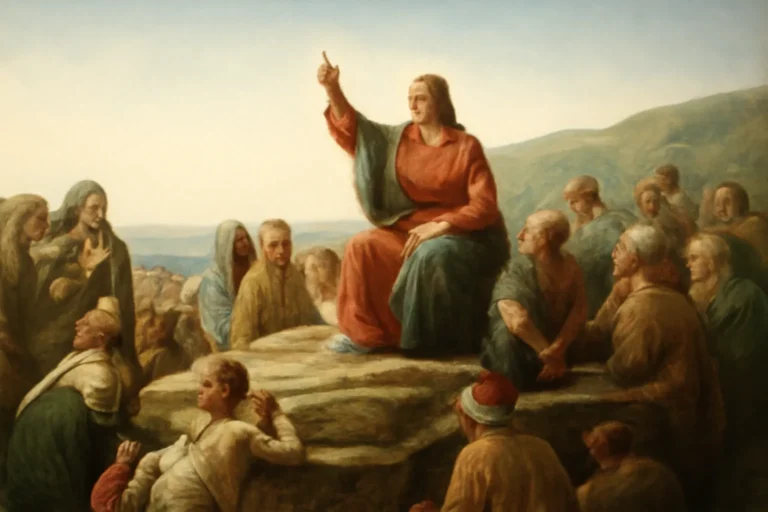
Jesus’ public ministry included preaching about the Kingdom of God, healing the sick, and telling parables that communicated moral and spiritual truths. Central messages include love of neighbor, humility, mercy to the poor, and a call to trust in God’s provision and plan. For those who want to learn about Christian teachings, Jesus’ parables and sermons (such as the Sermon on the Mount) are often recommended starting points.
Crucifixion and Resurrection
The events of Jesus’ crucifixion and his reported resurrection are understood by Christians as decisive acts of salvation. The crucifixion is seen as a sacrifice that addresses humanity’s brokenness, while the resurrection is regarded as a victory over death and a sign of God’s power to transform lives. Different traditions interpret the meaning and extent of the atonement in slightly different ways, but all affirm that Jesus’ death and resurrection are foundational to the Christian story.
The Trinity and God in Christian Thought
The doctrine of the Trinity is one of the most distinctive and historically significant beliefs in Christianity. It expresses the understanding that there is one God who exists in three persons—the Father, the Son (Jesus Christ), and the Holy Spirit. This is not a simple equation of three gods, but a mystery about the unity and diversity within the divine being. For many readers, the Trinity is a framework for understanding how God relates to the world—as a loving community who invites people into a relationship with God and with one another.
Different Christian traditions articulate the Trinity in slightly different terms, but the core idea is consistent: God is one, yet revealed in three persons who work together in creation, redemption, and ongoing presence in the church. When you explore Christian belief, the Trinity is often a key concept that helps explain worship, prayer, and the way Christians experience God as both transcendent and immanent.
How Christians View Salvation and Faith
Salvation is a central theme across Christian expressions, but the vocabulary and emphasis can differ. Broadly, Christians believe that salvation refers to being reconciled to God, often described as forgiveness of sin, new life, and the hope of eternal relationship with God. The pathways Christians describe to receive or grow in salvation include faith, grace, repentance, baptism, and ongoing discipleship. Different traditions stress various components, but most would agree on these threads:
Grace — God’s unmerited favor toward humanity, a gift that enables belief and transformation rather than something earned only by good works.
Faith — Trust in Jesus Christ as Lord and Savior, recognizing one’s need for forgiveness and a desire to follow Christ.
Repentance — Turning away from harmful patterns and turning toward God and his ways in daily life.
Baptism and Eucharist (or Communion) — Rituals that symbolize initiation into the Christian community and ongoing participation in Christ’s life and mission.
Discipleship — A lifelong process of growing in love for God and neighbor, seeking justice, mercy, and personal holiness.
Because Christian communities interpret these ideas through different lenses, you may encounter phrases like justification by faith, sanctification, atonement, or conversion. Each term points to a facet of how Christians understand the process of becoming more like Christ in daily life. When you learn about Christianity, it can be helpful to compare how various traditions express these ideas while keeping sight of the shared core: faith in Jesus and participation in God’s redemptive work in the world.
Practices, Worship, and Community Life
Christian practice encompasses a wide range of activities, from personal devotion to public worship and social action. Across traditions, worship can be formal and liturgical or informal and spontaneous. The way communities gather reflects their theology, history, and culture. If you want to learn about Christian worship, exploring both our shared moments and distinctive expressions can be illuminating.
Sacraments, Rituals, and Worship Spaces
Many Christians understand worship as a conversation with God that occurs within a community. Two broad categories describe sacred rites across the tradition:
Sacraments (also called mysteries or ordinances in some traditions) — Raised as central rites in many churches, these typically include Baptism and Eucharist/Communion as the two primary sacraments for most Protestant churches, while Catholic, Orthodox, and some Anglican communities recognize additional sacraments, such as Confirmation, Confession, Anointing of the Sick, and Marriage.
Worship practices — Ranging from deeply liturgical ceremonies with set prayers and readings to more contemporary gatherings with songs, sermons, and sermons. Styles may be described as traditional, liturgical, charismatic, or evangelical, among others.
In addition to formal rites, daily devotional practices commonly include prayer, personal Bible study, fasting in some traditions, and acts of service. These practices help believers form a daily rhythm of faith that integrates belief with action. When you discover Christian practices, you may notice that communities emphasize different outlets for expressing faith—corporate worship, small groups, service projects, or contemplative disciplines.
The rhythm of the year in many Christian communities is shaped by holy days and seasons. These observances help believers remember the central events of their faith and reflect on their meaning for today. Some of the most widely observed occasions include:
Christmas — Celebrates the birth of Jesus and the Word made flesh, inviting reflection on God’s presence in the world.
Lent and Easter — A season of preparation, repentance, and renewal that culminates in the celebration of the resurrection of Jesus.
Pentecost — Commemorates the gift of the Holy Spirit to the early church, often associated with mission and empowerment for living out the gospel.
Ordinary Time — Periods in the year that focus on growth in faith and daily discipleship outside the special seasons.
Different Christian traditions emphasize these seasons with varying liturgies, songs, and readings. For someone who wants to learn about Christianity, understanding the calendar can provide a practical entry point into how faith is lived year by year in communities around the world.
A Brief History of Christianity
Christianity emerged in the first century CE within the context of Second Temple Judaism and the broader Greco-Roman world. What began as a set of movements around the teachings of Jesus grew into a worldwide faith with diverse expressions. To learn about Christian history, it helps to view it in broad strokes and then zoom in on key moments that shaped the church as we know it today.
Early Christianity and the Apostolic Age
The earliest followers of Jesus formed communities that gathered for worship, shared resources, and preached the message of Jesus’ life, death, and resurrection. The letters of the Apostle Paul and other early Christian writings influenced how these communities understood faith, ethics, and community life. During this period, Christianity spread from its Judean origins into the wider Mediterranean world.
From Persecution to Legitimacy: The Empire and the Church
In the 4th century, Christianity transitioned from a persecuted movement to a legally recognized religion with imperial support. This shift had profound effects on doctrine, church structure, and cultural influence. Councils such as Nicea (325 CE) and Constantinople (381 CE) helped articulate key beliefs about the nature of Christ and the Trinity, shaping the boundaries of orthodox faith.
Division and Diversity: The Great Schism
By the first millennium, Christian communities had developed distinct practices and governance structures. In 1054, a major split—often called the Great Schism—divided Western Latin Christianity (Catholic) and Eastern Greek Christianity (Orthodox). The split reflected differences in theology, language, culture, and church authority, yet both traditions share a common heritage in the earliest Christian centuries.
Reformation and Global Christianity
In the 16th century, reform movements in Europe challenged practices and doctrines perceived as corrupt or insufficiently aligned with Scripture. This era gave rise to Protestant traditions, which emphasized the authority of Scripture, justification by faith, and the priesthood of all believers. Since then, Christianity has expanded globally, taking root in Asia, Africa, the Americas, and beyond, leading to a richly diverse global community with many expressions of faith.
Denominations and Diversity
One of the most striking features of Christianity is its plurality. There are several major branches, each with distinct histories, governance, and emphasis, but all sharing a belief in Jesus as the central figure of faith. To learn about Christian denominations, it helps to recognize both the common ground and the differences in practice and doctrine.
Catholicism — Led by the Pope in Rome, with a long tradition of sacramental life, liturgical worship, and a global missional outlook. The Catholic Church emphasizes the authority of Tradition and Scriptures, the seven sacraments, and a communal approach to salvation.
Orthodox Christianity — Magnifies liturgical worship, sacramental life, and a conciliar approach to church authority. The Orthodox tradition emphasizes continuity with early Christian worship and a strong sense of communal spirituality.
Protestantism — A diverse family of churches that broadly emphasizes the authority of Scripture, the priesthood of all believers, and justification by faith. Within Protestantism are numerous subtraditions, including Lutheran, Reformed, Baptist, Methodist, and Anglican churches, each with unique practices and emphases.
Anglican and Episcopal Traditions — Often described as a via media (middle way) between Catholic and Protestant forms, with a balanced approach to liturgy, doctrine, and church governance.
Pentecostal and Charismatic Movements — Emphasize the ongoing work of the Holy Spirit, spiritual gifts, and enthusiastic worship, often alongside a strong evangelical emphasis on personal conversion and mission.
Despite the differences, a shared thread runs through these communities: the belief that God speaks, invites people into relationship, and calls Christians to love God and love their neighbors. If you are starting to explore Christian faith, you might consider visiting a local church, reading about different traditions, or joining a newcomers’ class to hear firsthand how diverse Christians practice their beliefs.
For someone new to the subject, a practical approach can help you learn about Christianity without becoming overwhelmed. Here are steps you can take to begin a thoughtful exploration:
Read foundational texts — Start with the Gospels (Matthew, Mark, Luke, John) to encounter the life of Jesus, then explore the letters of Paul for early Christian thought.
Study a compact overview — A reliable introduction to Christian history, doctrine, and practice can provide a map of the terrain before you dive deeper into any one tradition.
Visit a local church — Attending a service or a welcome class can give you a sense of worship, community life, and daily practice across traditions.
Engage with credible resources — Use reputable encyclopedias, church websites, faith-based education programs, and university-backed materials to build a balanced understanding.
Ask questions respectfully — If you have questions about beliefs, history, or practice, reach out to clergy or lay leaders in a thoughtful way. Most communities are glad to help someone who is genuinely curious.
As you embark on this journey, you may want to learn about Christianity through a variety of formats: reading, listening to lectures, watching documentary-style programs, or engaging in discussion groups. The goal is to gain a fair, broad, and nuanced understanding of what Christians believe, how they live, and why the faith matters to so many people around the world.
Common Questions and Misconceptions
Every introductory exploration encounters questions and myths. Here are a few common points of inquiry that often help beginners gain clarity:
Is Christianity only one religion? — It is not monolithic. It is a broad family of traditions with shared roots but varied expressions in faith, worship, and practice.
What about other religions? — Christians traditionally claim Jesus as the unique revelation of God, yet many Christian communities advocate reverence for others and dialogue with other faiths as part of a broader ethical commitment to love and peace.
What is the role of science in Christianity? — Many Christians view science and faith as complementary, addressing different kinds of questions: empirical questions about the natural world and personal questions about meaning, purpose, and value.
Do all Christians agree on doctrine? — No. There are important agreements and disagreements. The history of creeds and councils shows a continuous effort to articulate common ground while allowing for doctrinal nuance.
What are the most important practices? — Practices vary, but common elements include prayer, Scripture study, worship, baptism, and acts of charity and service to others.
Resources for Further Learning
To deepen your understanding, consider a mix of primary texts, introductory histories, and reputable reference works. Here are categories and examples to help you continue learning about Christianity:
Introductory books — Overviews that cover beliefs, history, and practice in accessible language.
Scripture translations — Readable translations of the Bible in a modern English edition or a language you are comfortable with.
Church websites — Official sites of major Christian communities provide statements of faith, worship resources, and guides for newcomers.
Academic resources — Oxford or Cambridge companions, encyclopedias, and university press materials offer more in-depth historical and theological study.
Community learning — Local lectures, Bible study groups, confirmation classes, or introduction courses hosted by churches or faith-based organizations.
When you search for more information, you can learn about Christianity from perspectives that emphasize history, theology, ethics, or spirituality. A balanced approach that acknowledges diversity while focusing on the core narrative of Jesus and the early church often yields the most fruitful understanding.
Beginning to learn about Christianity is a journey through a faith that has shaped individual lives and global cultures for two millennia. By examining core beliefs, sacred texts, the life of Jesus, and the broad spectrum of worship and practice, you gain a solid foundation for further study. Whether you pursue knowledge for personal growth, interfaith dialogue, academic interest, or spiritual exploration, the Christian story invites curiosity, respect, and thoughtful reflection.
As you continue to learn about Christianity, stay open to the breadth of experience within the tradition—Catholic, Orthodox, Protestant, and myriad local expressions. Each offers insights into how people interpret faith in daily life, how communities sustain hope, and how moral and social values are formed in response to God’s calling. If you ever feel overwhelmed, remember that you do not have to choose a single label at once. You can explore, compare, and converse, keeping in view the common thread that unites Christians: a call to love God and love neighbor, embodied in prayer, community, and service.
Whether your goal is to understand beliefs more clearly, study the historical development of Christianity, or simply improve your ability to engage with Christians from different backgrounds, this beginner’s guide aims to equip you with a solid starting point. By approaching the subject with curiosity and respect, you position yourself to learn about Christianity in a way that is accurate, thoughtful, and personally meaningful.
Why Learning About Christianity Matters Learning about Christianity is not just an academic exercise; it is a journey into a vast set of historical traditions, beliefs, practices, and communities that have shaped millions of lives across two millennia. Whether you approach it from a curiosity about world religions, a desire to understand Western history, or…
Free Bible Object Lessons for Youth: Engaging Teen Bible Activities Teaching teenagers through hands-on Bible object lessons helps ideas stick, invites questions, and turns familiar stories into vivid experiences. When you design lessons that require little or no money, you remove a common barrier to participation and focus the group on heart-level growth, not on…
Christ Teaching: A Practical Guide to Jesus’ Teachings for Modern Life Across two millennia, the voice of Jesus has remained one of the most influential sources of ethical wisdom in the world. The idea of Christ teaching is not just a historical curiosity; it is a living framework that many people draw on to navigate…
Why Christian Teaching Matters for Everyday Faith Christian teaching is not a distant academic exercise reserved for church buildings; it is a practical, transforming way of understanding God’s Scripture and applying it to daily life. When we speak of biblical instruction or gospel instruction, we are describing a method of shaping character, renewing the mind,…
Overview of the Sermon on the Mount The Sermon on the Mount is one of the most influential collections of teachings in the Christian tradition. Found in the Gospel of Matthew (chapters 5–7), it presents a continuous discourse attributed to Jesus as he teaches a gathered crowd along a hillside, often described as a mountain…