Learning about Christianity is not just an academic exercise; it is a journey into a vast set of historical traditions, beliefs, practices, and communities that have shaped millions of lives across two millennia. Whether you approach it from a curiosity about world religions, a desire to understand Western history, or a personal need to engage with a faith community, taking a careful, nuanced approach to Christianity can deepen critical thinking, foster empathy, and sharpen questions about meaning, morality, and community.
In this quick guide to the study of Christianity, you will encounter a roadmap that blends faith, history, doctrine, and daily life. The aim is not to persuade you to adopt any particular belief, but to equip you with reliable information, perspectives from scholars and practitioners, and practical steps for thoughtful exploration. The topic spans ancient texts and modern debates, sacred rituals and secular critiques, diverse cultures and global conversations. The result is a rich field for learning that touches philosophy, literature, archaeology, linguistics, and social sciences as well as theology.
To begin a serious study of Christianity, it helps to know a few central terms and ideas that recur across traditions. This section outlines commonly used concepts you will meet in courses, bookstores, and church histories. The goal is not to overwhelm, but to anchor your exploration with clear signposts.
Jesus Christ: Central figure of the Christian faith, believed by Christians to be the Son of God, the Messiah, and the bearer of God’s revelation in human history.
God and the Trinity: Most mainstream Christian traditions teach that God exists as one essence in three persons—Father, Son, and Holy Spirit.
Bible: A collection of sacred texts divided into the Old Testament (shared with Judaism) and the New Testament (accounts of Jesus’s life, the early church, and theological writings).
Creeds: Brief statements of faith that summarize core beliefs, for example the Nicene Creed or the Apostles’ Creed.
Salvation: A central question in Christianity about how humans are reconciled with God; interpretations vary, but many traditions emphasize grace and faith.
Grace and faith: Concepts describing how God’s unmerited favor is received and how trust in God shapes a person’s life.
Church: A community of believers and, in many traditions, a formal structure of leadership and sacraments.
Sacraments or ordinances: Sacred rites that convey divine grace or signify important spiritual truths; common examples include Baptism and Communion (the Eucharist).
Scripture: The sacred writings regarded as authoritative for faith and practice, interpreted through communities and traditions.
A Brief History of Christianity
Understanding the history of Christianity helps ground present debates in real contexts. The story spans more than two thousand years, with foundational events in the first century, institutional developments in late antiquity, theological elaboration in the medieval era, and global expansion in modern times. This overview is a high-level map; each era contains many voices, controversies, and local variations.
Origins and early Christian communities (1st century): The movement emerges within Second Temple Judaism, centered on the proclamation of Jesus as the Messiah and the belief in his resurrection. Early Christians wrote letters, gathered in house churches, and began to distinguish themselves from other Jewish and pagan groups.
Canonical formation and early doctrine (2nd–4th centuries): As communities grew, leaders debated which writings were authoritative, leading to the formation of the New Testament canon. Debates about the nature of Christ, the Trinity, and salvation produced formal creeds and councils (e.g., Nicaea, Constantinople).
State church and medieval Christianity (4th–15th centuries): Christianity becomes integrated with political powers in many regions. Monastic movements, scholastic theology, and liturgical reform shape beliefs and practices. The church plays a central role in education, art, and law, while crises such as schisms and reform movements challenge unity.
Reformation and diversification (16th century onward): Figures like Martin Luther, John Calvin, and others critique church practices and theology, leading to Protestant, Anglican, and other reformulations. This period also catalyzes a wide array of denominations and global missions.
Global Christianity and modern challenges (17th century to present): Missionary expansion, colonial histories, social reforms, ecumenism, and interfaith dialogue shape Christianity in the modern world. Contemporary discussions address issues such as gender, sexuality, science, human rights, and religious pluralism.
As you study, it is useful to see how different communities foreground different aspects of this history. Some emphasize doctrinal debates, others emphasize worship practices, social justice, or the lived experience of faith communities. A balanced approach considers sources from multiple eras and traditions to avoid a single narrative that might obscure minority voices.
What Christians Believe: Core Doctrines
Across diverse communities, certain core themes recur. These are not meant to erase differences; rather, they provide a starting point for informed conversation. In reading about Christian doctrine, you will encounter a spectrum of emphasis—some traditions stress creedal agreement, others prioritize experiential faith or ethical living.
The Trinity
Most Christians affirm that God exists as a unity in three persons: the Father, the Son, and the Holy Spirit. This doctrine aims to articulate how God is both one and personal within the life of the divine community.
Christology: Jesus as the Messiah
A central question is who Jesus is and what his life means for humanity. For many believers, Jesus’s incarnation (God taking human form), ministry (teachings, miracles, and compassion), death (at the cross), and resurrection (rising from the dead) reveal God’s presence and offer a way to reconciliation with God.
Salvation and Grace
A persistent theme is how humans come into a right relationship with God. The language used varies by tradition—some speak of being reconciled through grace received by faith, others emphasize the transformation that comes through divine action in a believer’s life, and still others stress the combined role of faith, works, and participation in the church.
Scripture and Tradition
Christians often read Scripture as a living text that is interpreted within a community. The authority of the Bible is shaped by tradition, reason, and experience. Some groups emphasize the primacy of the Bible alone (sola scriptura), while others hold that sacred writings must be interpreted within the lived wisdom of church tradition and contemporary discernment.
Ethics and the Life of Believers
Ethical teachings in Christianity address how people should live toward God, neighbors, enemies, and creation. This includes considerations of justice, mercy, peace, and stewardship. While the specifics can differ widely, many Christians connect ethical life with the example of Jesus and with the guidance of the Holy Spirit as understood within their tradition.
Practices and Daily Life: How Faith Is Lived
Belief and practice are often inseparable in Christian communities. Exploring how faith is lived day to day can help you understand the texture of religion beyond doctrinal statements. This section highlights common religious practices and their purposes.
Worship and liturgy: Public prayer, hymns, Scripture readings, and sermons in congregational gatherings express praise, confession, gratitude, and petition.
Baptism and Communion (Eucharist): Rituals that symbolize initiation into the faith community and ongoing participation in the life of Christ, respectively.
Prayer and personal devotion: Individual seekers and believers practice a range of disciplines, from quiet meditation to structured prayer books.
Scripture study: Reading and interpreting sacred texts, often in small groups, classrooms, or personal study lines.
Service and mission: Actions that express love for neighbor, aid to the vulnerable, and outreach to communities—often tied to social justice or mercy initiatives.
Fellowship and community life: Shared meals, celebrations, and mutual support help sustain faith communities over time.
Some traditions place particular emphasis on sacraments, while others highlight personalized faith journeys or social activism. Regardless of the emphasis, most learners discover that Christian faith invites both inner transformation and outward action.
Denominations and the Map of Diversity
Christianity is not a single monolithic body; it spans continents, cultures, languages, and centuries of interpretation. Understanding the major branches and their distinctive emphases helps you grasp the breadth of Christian life without losing sight of common ground.
Major branches
Roman Catholicism: The largest single Christian body, characterized by its sacramental theology, apostolic succession, the authority of the Pope, and a global network of parishes, schools, and charities.
Eastern Orthodoxy: A family of autocephalous churches (like the Greek Orthodox and Russian Orthodox) that emphasizes continuity with early Christian worship and theology, with a strong liturgical and sacramental emphasis.
Protestantism: A diverse umbrella that includes denominations such as Anglicanism, Lutheranism, Reformed/Calvinist traditions, Methodism, Baptists, Pentecostals, and many independent churches, each with unique emphases on Scripture, grace, and church life.
By emphasis on scripture vs. tradition vs. experience
By practice style, such as high-church liturgy vs. contemporary worship
By view of sacraments: how many, what they signify, and who administers them
By approach to ethics and social issues
When exploring learning about Christianity, examining denominational differences can illuminate how communities interpret the same foundational narratives, respond to culture, and shape moral frameworks. It also helps someone decide where a local congregation or online community might fit their own questions, beliefs, and practices.
Learning Tools: How to Study Christianity Effectively
A thoughtful learner uses a mix of primary sources, scholarly writing, and lived experiences. Below is a practical toolkit to guide you through the study of Christianity with clarity and depth.
Primary texts: Read the Bible with a reliable translation and, when possible, alongside historical and literary notes to appreciate context. For historical study, consider the New Testament writings and early Christian documents.
Commentaries: Scholarly explanations that help explain difficult passages, cultural references, and historical context.
Introductory surveys: Books or courses that cover broad themes, timelines, and key figures before diving into specialized topics.
Historical sources: Writings from church fathers, theologians, and reformers provide a window into how beliefs developed over time.
Ethical and social studies: Analyses of how Christianity has intersected with politics, law, and social justice movements.
Supply of media: Documentaries, reputable podcasts, and museum exhibitions can broaden understanding beyond text alone.
A practical study plan might include a structured reading list, a glossary of terms, and guided questions to reflect on what you read. If you are pursuing academic study, you may also engage in coursework, attend lectures, or join study groups that promote critical discussion and respectful discourse.
Common Questions and Misconceptions
When approaching a topic as broad as Christianity, it is common to encounter misunderstandings. Addressing these with careful sources helps minimize stereotypes and promotes more accurate learning.
Is Christianity monolithic? Not truly. There are many traditions, cultures, and interpretations, and within each tradition, there are debates and diversity of opinion.
Is the Bible a single, uniform text? No. The Bible is a library of many books written in different historical contexts, with varying genres and perspectives.
Do all Christians believe the same things? Beliefs vary widely on topics like baptism, the nature of salvation, and church authority. Common ground often includes core creedal statements about Jesus and God.
What is the role of science and Christianity? Many Christians engage science as a means to understand creation, while others debate specific claims. Responsible study seeks to dialogue with scientific findings and historical-critical methods.
What is meant by grace? Grace is often described as God’s unmerited favor; different traditions emphasize faith, works, or spiritual transformation as responses to that grace.
A thoughtful approach to learning about Christianity acknowledges these complexities and encourages readers to verify claims, consult diverse sources, and recognize the difference between belief, tradition, and practice.
Christian Ethics and Social Life: How Faith Shapes Actions
Ethics and social engagement have long been central to Christian communities. How a believer interprets Scripture and tradition informs decisions about justice, care for the vulnerable, and relations with neighbors, governments, and the natural world.
Charity and mercy: Acts of service, aid to the poor, and programs that address tangible needs.
Justice and advocacy: Engagement with systems that affect fairness, race, economy, and rights; some communities emphasize prophetic critique of oppression, while others stress personal virtue.
Peace and nonviolence: A spectrum from pacifist traditions to those who support just war frameworks, depending on historical and doctrinal commitments.
Stewardship of creation: Responsibility toward the environment, sustainable living, and care for future generations.
Reading about these topics in tandem with historical development of Christian ethics can reveal how values shift in different eras and cultures, and how believers reconcile belief with changing social norms.
Christianity in the Modern World: Dialogue and Challenge
In the contemporary period, the study of Christianity intersects with globalization, pluralism, and rapid cultural change. The religion has a significant presence in diverse countries, contributing to education, healthcare, arts, and public discourse. At the same time, Christians engage with questions about pluralism, secularism, and science in often lively and contested ways.
Global mission and intercultural exchange: How churches partner across borders, translate liturgy, and address cross-cultural misunderstandings.
Dialogues with other faiths: Interfaith conversations that seek mutual understanding while debating differences respectfully.
Engagement with science and technology: Debates about evolution, bioethics, and the role of religion in public life.
Church leadership and community life: How leadership structures and congregational dynamics respond to changing demographics, urbanization, and digital media.
These contemporary themes offer fertile ground for studying Christianity not only as a set of beliefs but as a living, evolving experience within modern society.
Practical Steps for Lifelong Learning
If you want to pursue a robust, lifelong education about Christianity, consider these practical steps. They are designed to be flexible, so you can tailor them to your interests, whether you’re a student, a curious reader, or someone exploring faith for personal reasons.
Select a starting point: Choose a balanced introductory book or course that covers history, beliefs, and practice. Avoid sources that claim to have one definitive interpretation of Christian truth; look for nuance and citations.
Compare perspectives: Read authors from different traditions to understand how key concepts are interpreted in varying ways. For example, compare a Catholic catechism, a Protestant study Bible note, and an Orthodox liturgical guide.
Engage with primary sources: When possible, read the Bible selections in a modern translation, and explore early Christian writings, church histories, and reformers’ works to see how ideas originated.
Attend a dialogue-friendly setting: If you are comfortable, visit a local church or a study group, and approach conversations with curiosity, not with the aim of convincing others or being convinced immediately.
Keep a learning journal: Record questions, insights, and reactions to readings. Over time, you will notice patterns in your own thinking and in the arguments you encounter.
Use reliable references: Favor academically credible sources, university presses, and recognized religious studies associations. Be cautious with sensational claims or sources with strong ideological bias.
A sustained approach to exploring Christianity is best pursued with patience, humility, and openness to complexity. The goal is understanding, not merely agreement.
Glossary: Quick Reference to Terms You May Encounter
incarnation: The belief that God became flesh in the person of Jesus Christ.
scriptural hermeneutics: Methods of interpreting sacred scriptures within a tradition.
ecumenism: Efforts to promote unity among different Christian churches.
liturgy: Public worship formulas and rites, including prayers, readings, and songs.
patristics: The study of the early church fathers and their writings.
canon: The authoritative list of books recognized as sacred scripture.
soteriology: The study of salvation and how it is accomplished in Christian faith.
eschatology: Teachings about the end times, judgment, and the consummation of history.
creeds: Formal statements summarizing essential Christian beliefs.
If you are constructing your own learning pathway about Christianity, consider a plan that includes a blend of historical study, doctrinal exploration, and contemporary application. The following are representative topics and suggested kinds of readings to help you design a curriculum.
Overview of Christian history: A survey book that traces events from Jesus’ life through the present day, highlighting major milestones and turning points.
Introduction to Christian doctrine: A beginner-friendly text that explains the core beliefs, how they were formed, and how they differ among traditions.
New Testament studies: An accessible edition of the Gospels plus Paul’s letters, with notes on context and interpretation.
Church history: A work that tracks the evolution of church structures, creeds, and reform movements across centuries.
Ethics in Christianity: A compilation of essays or studies on how Christian ethics address modern issues such as poverty, racism, sexuality, and environmental stewardship.
Interfaith perspectives: Readings that compare Christian thought with perspectives from Judaism, Islam, Hinduism, Buddhism, and secular perspectives to foster understanding.
Through these pathways, you can build a robust, nuanced understanding of Christianity that respects both long-standing traditions and modern conversations.
In Conclusion: A Thoughtful Path to Understanding
The journey of learning about Christianity is, at its best, a disciplined curiosity combined with respectful discernment. It invites readers to explore ancient texts, examine how faith has shaped civilizations, and consider how contemporary believers live out their faith in a rapidly changing world. Whether you are pursuing academic study, personal growth, or just a deeper appreciation for a history that influences art, politics, and culture, a careful approach to this subject yields rich rewards.
As you embark on this exploration, remember that the aim is not to announce final verdicts about truth claims but to cultivate an informed, compassionate perspective. By engaging with primary sources, scholarly analysis, and real-world practice, you can approach Christianity with clarity, curiosity, and humility.
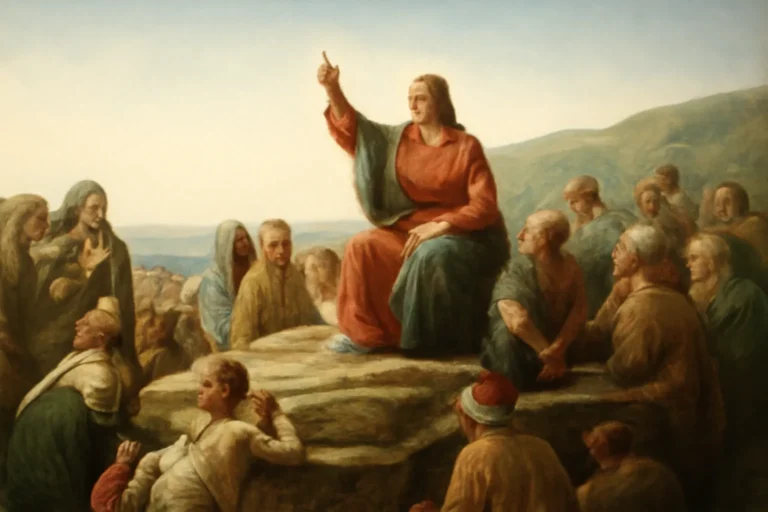
Overview of the Sermon on the Mount The Sermon on the Mount is one of the most influential collections of teachings in the Christian tradition. Found in the Gospel of Matthew (chapters 5–7), it presents a continuous discourse attributed to Jesus as he teaches a gathered crowd along a hillside, often described as a mountain…
Christ Teaching: A Practical Guide to Jesus’ Teachings for Modern Life Across two millennia, the voice of Jesus has remained one of the most influential sources of ethical wisdom in the world. The idea of Christ teaching is not just a historical curiosity; it is a living framework that many people draw on to navigate…
Learn About Christianity: A Beginner’s Guide to Beliefs, History, and Practices Welcome to a comprehensive introduction designed for someone who wants to learn about Christianity. This guide aims to present the essentials in clear language, while also offering historical context and practical guidance. Whether you are exploring for personal reasons, school, or intellectual curiosity, you…
Why Christian Teaching Matters for Everyday Faith Christian teaching is not a distant academic exercise reserved for church buildings; it is a practical, transforming way of understanding God’s Scripture and applying it to daily life. When we speak of biblical instruction or gospel instruction, we are describing a method of shaping character, renewing the mind,…
Free Bible Object Lessons for Youth: Engaging Teen Bible Activities Teaching teenagers through hands-on Bible object lessons helps ideas stick, invites questions, and turns familiar stories into vivid experiences. When you design lessons that require little or no money, you remove a common barrier to participation and focus the group on heart-level growth, not on…