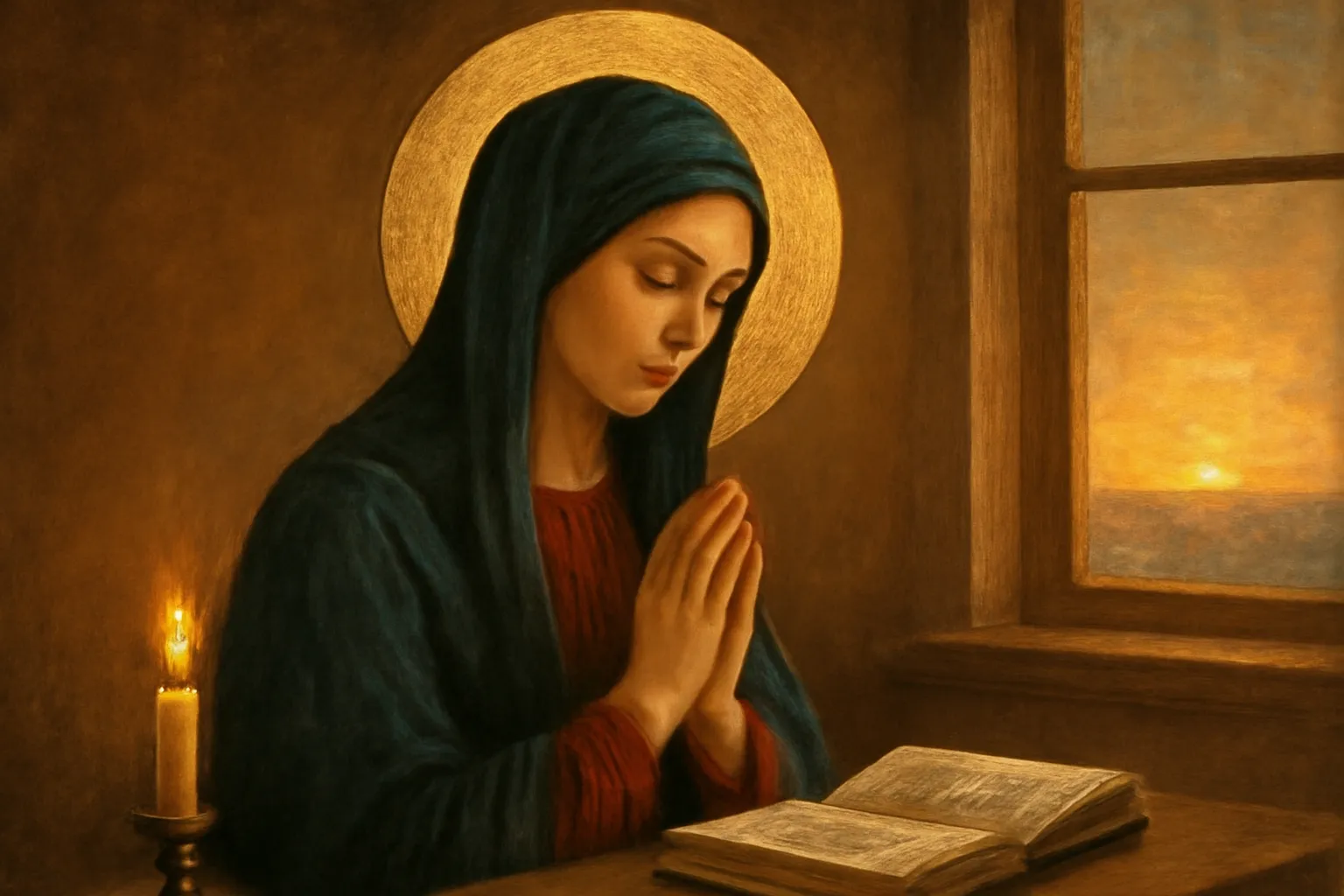
The Orthodox Christian tradition places a strong emphasis on beginning the day with prayer as a deliberate act of remembrance, humility, and stewardship. Morning prayers serve as a spiritual doorway between sleep and daily life, inviting
God’s grace, mercy, and guidance into every moment that follows. In the Orthodox world, there is a rich
language around this practice—one that spans personal devotion, family prayer, and liturgical
participation in the daily cycle. Whether you are new to Orthodoxy, returning to a long-standing habit,
or seeking to deepen a well-worn routine, the morning prayer posture offers clarity, steadiness, and
a rhythm that can anchor your days with intention.
This article presents a practical, scholarly, and devotional guide to morning prayers Orthodox.
You will find explanations of the routine, practical steps for starting a daily practice, variations
across Orthodox cultures, and concrete suggestions that respect both time constraints and a longing for
contemplative silence. The goal is not to produce a rigid checklist, but to illuminate
essential elements, nurture consistency, and encourage a living, personal conversation with God.
What Are Orthodox Morning Prayers?
In Orthodox Christianity, morning prayers can refer to two interwoven realities:
Private morning prayer or family devotion—daily personal or domestic worship that sets the tone for the day.
Liturgical morning offices such as Matins (Greek: Orthros) or the opening sections of the daily cycle in monasteries and parishes.
The private practice often borrows language and sensibility from the larger liturgical tradition, drawing on
the reading of Scripture, the recitation of psalms, quick prayers and confessions, and the ever-present
call to repentance and gratitude. The liturgical morning offices, when attended publicly, compose a richer
tapestry—hymnography, psalmody, and canticles that celebrate God’s mercy as the day unfolds.
A central feature of morning practice in Orthodoxy is the Jesus Prayer—a concise invocation
that expresses trust in Christ and invites personal transformation. While the exact formulations vary by
tradition, the practice commonly centers on repeating a short phrase such as: “Lord Jesus Christ, Son of God, have mercy on me, a sinner.” This sacred
phrase is often repeated slowly, with mindful breathing, as a form of continuous prayer that keeps the heart
oriented toward God.
Core Components of a Morning Prayer Session
Opening Invocation
A typical morning prayer begins with a humble acknowledgment of God’s presence. Many people
begin with the Sign of the Cross, a gesture of consecration, and a short invocation that says
essentially, “God, be with me today.” This initial gesture helps to dispel distractions
and fixes the mind on divine companionship for the hours ahead.
Thanksgiving and Repentance
A key element of morning devotion is gratitude for the blessing of sleep and rest, as well as
gratitude for life itself. After the opening gesture, it is common to offer thanks for the coming day and
for the safety and strength granted during the night. At the same time, the morning prayer scene often
includes a brief confession or acknowledgement of one’s sins and limitations. This confession
is not a legal catalog of faults, but a sincere posture of humility before God, inviting mercy and renewed
resolve to pursue righteousness.
Scripture Reading
Reading a short passage from the Bible—typically a Psalm or a few verses from the Gospel or a
related meditation—forms a measured encounter with God’s Word at the start of the day.
For many, a single Psalm or a brief reading is enough to illuminate the mind and heart, while others
may choose a longer reading over time. The goal is not quantity but attentive listening to Scripture as a
living word that shapes the day.
The Jesus Prayer and Breath Practice
The Jesus Prayer is often integrated into morning practice as a steady rhythm of
remembrance. Some practitioners repeat the phrase a set number of times, while others weave it
with their breathing—inhale on the invocation, exhale in contemplation. This practice may be divided into
short cycles, each cycle bringing the heart toward stillness and trust in God’s mercy.
Intercession, Theotokos, and Saints
Intercessions for family, friends, the sick, and the world are common morning additions. Prayers to the
Theotokos (the Virgin Mary) and to the saints reflect the Communion of Saints and the belief that
we are accompanied by a cloud of witnesses as we begin the day. This element of morning devotion
helps believers cultivate compassion and responsibility for others as part of daily life.
Closing Prayer and Blessing
A concluding moment often includes a parting blessing for the day, a petition for guidance,
and a final sign of the cross. This closing gesture seals the morning prayer as the believer steps into the
tasks and challenges ahead, reminding them that every moment is an opportunity to respond to God’s presence.
Optional Elements and Variations
Depending on time, tradition, or personal preference, you may include additional elements such as:
Reading a short lectionary passage for the day.
Reciting specific psalms or canticles according to local custom.
Using a prayer rope (komboskini) to anchor the repetition of the Jesus Prayer.
Listening to a brief hymn or chant to elevate the morning mood.
Overall, the core components of a morning prayer session in the Orthodox tradition revolve around
praise, gratitude, repentance, Scripture, intercession, and a steady remembrance of Christ’s mercy. The exact
sequence and length may vary, but the spiritual aims remain constant: to align the heart with God, to receive
grace for the day, and to carry a sense of divine companionship into ordinary tasks.
Typical Structure for Private Morning Prayers
If you are designing a beginner-friendly morning routine, consider this flexible structure that can be
completed in as little as 5–10 minutes or expanded to 20–30 minutes as time permits. The aim is to create a
predictable pattern that trains the mind and heart to turn toward God at the outset of the day.
Prepare your space: Light a candle, place icons or a cross within view, and silence devices if possible.
Make the Sign of the Cross and offer a brief invocation of God’s presence.
Thanksgiving: Thank God for sleep and for waking you to a new day; name specific mercies if you wish.
Confession and Humility: A short acknowledgment of weakness and a petition for forgiveness and strength.
Scripture Reading: Read a short Psalm or a passage from the Gospels or Epistles; reflect on its meaning.
Prayer of Intercession: Pray for family, friends, leaders, the sick, the hungry, the dying, and the world’s needs.
Invoking the Jesus Prayer: Repeat a short phrase with your breath, letting it settle the heart.
Closing Blessing: A concluding petition and the final sign of the cross, readying yourself to engage the day.
The following example sequence is a practical starting point for many households:
Opening: The Sign of the Cross and a brief invocation
Gratitude: Thankfulness for life, health, safety, and opportunities for the day
Repentance: A short confession or humble admission of one’s limitations
Scripture: A single Psalm or a few verses from a Gospel reading
Intercession: Prayers for others and for communal needs
Jesus Prayer: Repetition, often 25–50 iterations or more, depending on time
Closing: The Lord’s Prayer, a blessing, and a final sign of the cross
Consistency is the most important factor. Even on busy mornings, a brief, regular routine
sustains a spiritual discipline and builds a habit that gradually deepens over time. If you must shorten
your practice, prioritize the opening invocation, a short Scripture reading, and
a focused Jesus Prayer. If you have more time, you can extend the reading, add additional
canticles or psalms, and include a longer interval of contemplation.
Variations Across Orthodox Traditions
Orthodox Christianity encompasses a family of churches—Greek, Russian, Serbian, Bulgarian, Egyptian (Coptic), Antiochian, and
others—each with its own cultural flavor and liturgical emphasis. While the principles of morning prayer remain
broadly similar, practical differences can influence the form and duration of morning prayers Orthodox.
Greek Orthodox and Cypriot Practice
In the Greek and Cypriot context, the morning routine often integrates elements from the Orthros service with a strong
psalmody tradition. A layperson’s personal morning prayer may include short canticles, a brief reading from the Acts or the
Gospel, and a repeated Jesus Prayer. The atmosphere tends to be contemplative, with emphasis on calm and inner stillness.
Russian Orthodox Practice
The Russian tradition frequently emphasizes deep reflective prayer, sometimes influenced by monastic practice. Some Russian laypeople
keep a prayer rule that includes longer scripture readings, additional psalms, and structured seasons of prayer.
Icons, candles, and the komboskini (prayer rope) are common aids. In many homes, morning prayer may be followed by
a short service or by attending a parish Matins on Sundays or feast days.
Serbian and Balkan Traditions
In Serbian and other Balkan Orthodox communities, morning prayers often balance a robust sense of community with personal devotion.
The user-friendly approach includes a strong reading component, a focus on the Jesus Prayer, and intercessions for the
family and nation. The language may reflect local idioms and liturgical patterns, but the overall aim remains
to awaken grace and fulfill daily duties in a holy manner.
Antiochian and Palestinian-Latin Traditions
The Antiochian and broader Middle Eastern Orthodox communities bring a rich tradition of liturgical prayer that
blends personal devotion with the memory of saints and saints’ feast days. Morning prayers in these communities may specifically
honor local saints and geographic contexts, while preserving the universal structure of gratitude, repentance, and petition.
Across these variations, some universal markers persist: humility, gratitude, Scripture, prayer for others,
and the unceasing invocation of Christ through the Jesus Prayer. The goal is not uniformity but a shared
spiritual posture: to begin the day in a way that keeps God at the center and aligns daily action with gospel values.
Monastic vs. Lay Practice
Monastic morning prayers tend to be longer, more structured, and incorporate a wider array of canticles, psalms, and
scriptural readings. Lay people typically practice a shorter version that fits family life, work schedules, and personal
commitments. Regardless of status, the aim is to cultivate quiet attention, interior peace, and a readiness
to live out the day with integrity.
Practical Tips for Beginners: Building a Sustainable Morning Prayer Habit
Set a Realistic Time Goal
Start with a compact 5–10 minute routine and gradually extend it as you become comfortable. A too-long beginning can
lead to frustration or inconsistency, while a modest start reinforces reliability and confidence.
Choose a Consistent Time and Space
Pick a quiet corner, a table or a desk, and a regular time—ideally soon after waking. Consistency builds a rhythm
and signals to the brain that prayer is a non-negotiable daily commitment.
Prepare Your Aids in Advance
Have a small prayer book, a pocket Psalter, or a printable morning prayers guide ready. If you use icons or a candle,
keep them accessible to minimize setup time. A prayer rope or beads can help pace the repetition of the Jesus Prayer.
Be Flexible About Words and Texts
It is acceptable to adapt the texts to your language, level of understanding, and circumstances. The most important
thing is the engagement of the heart—to speak truthfully to God and to listen for guidance, however
modest the words may be.
Incorporate Scripture and Silence
A short Scripture reading followed by a period of silence can be deeply restorative. Allow yourself to rest in
stillness and listen for a gentle impression from God, rather than rushing immediately into the next activity.
Use a Gentle Routine During Busy Seasons
When mornings are chaotic, you can still honor the practice by doing the essential elements: the opening prayer,
a brief Psalm or passage, and a short Jesus Prayer. Even a few minutes done consistently is more beneficial than a long
ritual abandoned due to time pressure.
Integrate Prayer with Other Routines
If you attend a liturgical morning service at church, you can connect personal morning prayers with what you learn from
the service. If you read Scripture privately, consider pairing the morning routine with a brief reflection on the day’s
gospel reading or feast.
Make It a Family Practice (When Appropriate)
For families, a shared morning prayer can unite members in a common rhythm. Short readings, a brief
intercession for the day’s needs, and a simple blessing can become a meaningful family habit that children observe and
imitate.
Resources and Texts to Consult
Pursuing a deeper understanding of morning prayers Orthodox can be enriched by exploring canonical texts and reliable
devotional aids. The following resources are commonly used across Orthodox communities, though you may encounter other
editions and translations in your own parish.
The Horologion (also known as the Book of Hours) – a primary liturgical book containing the
daily cycle of services, including morning prayers and canonical hours. It offers the structure many monastic and lay
communities follow on a regular basis.
Scripture selections for daily reading—most homes choose a Psalter or a brief Gospel reading to accompany
the morning routine. Access to the Bible in a portable or printed form helps with consistency.
The Jesus Prayer collections and books on the practice of contemplative prayer—these may include
guidance on rhythm, breath, and meditative repetition.
Patristic writings and reflections on prayer, repentance, and grace—these are useful for deeper
understanding of the spiritual anthropology behind morning prayer.
If you are unsure where to start, your local Orthodox parish or monastery can provide a beginner-friendly
booklet or a short course on private daily prayer. Many communities also publish online guides or
printable handouts that tailor the morning routine to contemporary life.
Sample Morning Prayer Texts and Phrases
The following are brief, standard phrases commonly used in morning devotion. They can be used verbatim or adapted
to your own language and style. Remember that the aim is sincere, focused conversation with God.
Opening invocation: “In the name of the Father, and of the Son, and of the Holy Spirit. Amen.”
O God, be gracious to me, a sinner, and bless this day.
Thanksgiving: “I thank Thee, O Lord, for waking me this morning; I praise Thy holy name for life
and for mercy; Thou hast sustained me through the night.”
Scripture reading: “Let us read a small psalm or a Gospel verse.” Example: “The Lord is my shepherd; I shall not want.”
Jesus Prayer: “Lord Jesus Christ, Son of God, have mercy on me, a sinner.” Repeat as time allows.
Intercession: “Pray for my family, for the church, for the world, for those who suffer, for leaders, and for peace.”
Closing blessing: “Glory be to the Father, and to the Son, and to the Holy Spirit, now and ever, and unto ages of ages. Amen.”
These samples are a starting point. Feel free to adjust the wording to fit your faith tradition, language, and
personal spiritual needs. The most important aspect is not the exact form but the posture of the heart—receptive
to God’s grace, mindful of God’s presence, and engaged in a patient conversation that extends into daily living.
Start Your Day with the Light of Prayer
Morning prayers in the Orthodox tradition are more than a routine; they are a spiritual practice that
shapes the way a person sees the world, responds to challenges, and carries love into daily tasks. The distinct
voices of Greek, Russian, Serbian, Antiochian, and other Orthodox communities illuminate a shared longing: to rise
each morning with humility, gratitude, and hope, asking God to guide every step. Whether you choose a brief 5-minute routine
or a longer discipline that stretches into half an hour, the essential gift is this: a clear entrance into the day
in which God’s presence is not an afterthought but the beginning.
If you are just starting out, consider adopting a “morning prayers Orthodox starter kit” that fits your life:
a quiet space, a short Psalm or Gospel verse, the Jesus Prayer, and a closing blessing. Over time, you can expand
your practice as your schedule allows, while remaining faithful to the core purpose: to awaken the heart to God’s mercy and
to set the tempo for a day lived in faith, love, and diligence.