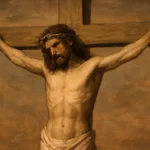
Across Christian history, a small corpus of words uttered by Jesus during the crucifixion has carried outsized weight for faith, devotion, art, and interpretation. Collectively known as the seven last words (or seven sayings from the cross, or seven utterances on Calvary), these phrases are not merely historical curiosities. They function as windows into the emotion, theology, and relational dynamics that mark the moment of Jesus’ death at Golgotha. They come to us from the Gospel narratives, primarily Luke, John, and Matthew, and they have been translated into countless languages, shaping sermons, confessions, liturgies, and works of visual art for nearly two millennia.
In this article, we will treat the topic with care and nuance, offering a broad, informative exploration of what these utterances meant in their original context, how they have been interpreted across traditions, and why they continue to matter today. You will encounter variations in naming and phrasing—a reminder that translators, theologians, and poets have long wrestled with how best to capture the depth of a moment that is at once intimate and universal. Whether you approach this topic from a devotional vantage point, a scholarly one, or simply out of curiosity, the seven sayings on the cross invite reflection on forgiveness, salvation, kinship, abandonment, physical suffering, completion, and trust.
The Seven Words: An Overview and Framework for Reading
This section lays out the seven sayings in a compact set. For each utterance, we will consider:
the core message that the saying communicates
the biblical context within the gospel where it appears
the theological significance commonly drawn from it
how the saying has been treated in liturgical practice and artistic tradition
The seven sayings presented here are arranged to reflect a common approach in Christian tradition: forgiveness, salvation, care for family and community, bearing of suffering, thirst, completion, and trust. In some lists, the phrases about Mary and the beloved disciple are separated into two items; in others they are combined into a single ethical moment of care. To maintain a consistent count of seven, this article presents the third item as a combined moment: “Woman, behold your son; behold your mother.” This combination is faithful to the way the Gospel of John narrates Jesus’ assignment of care at the foot of the cross, and it underscores the social and ecclesial implications of the cross in the early Christian imagination.
The Seven Sayings on the Cross: In-Depth Readings
“Father, forgive them, for they know not what they do.” (Luke 23:34)
Context and significance
This opening utterance stands at the threshold of Jesus’ death and immediately frames the cross with a radical note of unconditional grace. Luke’s account emphasizes forgiveness even in the heat of a violent act carried out by a crowd and by authorities. The statement is less about a defensive response than about a character-shaped act: a divine prerogative to forgive that transcends judgment in the moment of injury.
Theologically, this saying has been taken as a paradigm for intercessory prayer and forgiveness as the default posture of the Christian life. It invites believers to consider how forgiveness can extend beyond wrongs that are admitted or confessed, reaching even those who play a part in a larger injustice. In sermon literature and patristic writing, this line is often paired with the invitation to imitate the mercy of God, a mercy that reconciles rather than retaliates.
Ethical takeaway: forgiveness as active practice in the face of harm
Liturgical resonance: a frequent focus in Lenten and Holy Week reflections
In terms of translation, some readers encounter the phrase as a direct plea for forgiveness for the crowd, while others hear it as a broader statement about God’s merciful posture toward those who are ignorant of the full implications of their actions. Either way, the weight of mercy available in the moment remains central.
“Truly I tell you, today you will be with me in paradise.” (Luke 23:43)
This saying is directed to the penitent thief who acknowledges Jesus as king and calls for mercy. It confronts human mortality with a profound declaration of salvation in immediacy. The present-tense promise—“today”—asserts that the ultimate confidence of faith is not earned by long years of virtuous life, but accepted in a moment of authentic trust in Jesus.
Theologically, this statement has shaped Christian understandings of last-minute grace and the responsiveness of God to faith that is real, even at the final hour. It also raises questions about the nature of paradise—a term that in Jewish and Christian traditions often refers to God’s presence, a blessed state, or a restored relationship with God. The thief’s confession becomes a witness that salvation is not contingent on age, works, or ceremonial status, but on the alignment of one’s heart with Jesus in the last moments.
Key themes: grace, immediacy of salvation, faith in crisis
Ethical takeaway: faith’s sufficiency in extremis
Liturgical resonance: evokes hope in dying moments; often cited in sermons about assurance
Different Christian traditions nuance the term paradise in distinct ways—some linking it to the immediate presence of God in the afterlife, others drawing on eschatological hope of restored fellowship with God. The core message remains a powerful assertion: the grace of God does not wait for a perfect lifetime to become operative.
“Woman, behold your son; behold your mother.” (John 19:26–27)
This composite moment binds two related acts together as a single ethical moment on the cross: Jesus entrusts the care of his mother to the beloved disciple, and he entrusts the disciple to Mary. The immediate situation is intimate and social at the very moment of death. The words reveal a concern for family, community, and mutual obligation, even in the hours of extreme suffering.
Theologically, this saying has had a far-reaching impact on the church’s understanding of fellowship and kinship. It is often read as the creation of a new spiritual family—the community of believers gathered around Jesus, the “body of Christ,” in which care for the vulnerable is a defining practice. Mary’s role and John’s role have become symbolic medals in Christian art and devotion for generations, guiding ideas about ecclesial family bonds and the responsibility of older generations to mentor younger ones.
Key themes: care for the vulnerable, church as family, responsibility and nurture
Ethical takeaway: practical care for members of the church and family in need
Liturgical resonance: used in Marian devotion and in sermons about discipleship and community care
The phrase’s two components have often been treated as two concrete commands in the Johannine gospel tradition, yet their placement side by side in many translations foregrounds a relational ethic that extends beyond the historical setting to the church’s ongoing mission: to cherish and protect those whom society might overlook, especially within the community of faith.
“My God, my God, why have you forsaken me?” (Matthew 27:46; Mark 15:34)
Context and significance
This cry, often rendered in English as a quotation from Psalm 22:1, is one of the most emotionally charged lines in the crucifixion narratives. It captures a moment of acute abandonment—a felt withdrawal that commentators interpret as part of the mysterious paschal process in which Jesus bears humanity’s brokenness. The Aramaic form in some gospel texts—“Eli, Eli, lama sabachthani?”—echoes a cry that resonates with readers who know Psalm 22’s lament and trajectory toward trust.
Theologically, this saying touches on the enigma of divine presence amid apparent divine absence. It invites readers to hold together the fidelity of God with the depth of human suffering, a tension at the heart of many Christian models of atonement and prayer. Different traditions emphasize different aspects: some stress solidarity with the suffering of the righteous, others highlight Jesus’ mission fulfilled through the suffering itself.
Key themes: abandonment, psalmic allusion, solidarity in suffering
Ethical takeaway: reverence for the mystery of God’s ways, even when they are hard to understand
Liturgical resonance: points to Good Friday meditations that confront the depths of sorrow and the hope that follows
The line has also provoked reflection on whether Jesus experiences a division within the Godhead in that moment, or whether this utterance should be read as Jesus voicing the human cry in perfect union with God’s plan. The surrounding gospel narratives keep the door open to both devotional reverence and careful theological inquiry.
“I thirst.” (John 19:28)
Context and significance
A vivid physiological detail, this brief statement foregrounds the physical suffering of crucifixion. John’s Gospel places emphasis on tangible human needs as Jesus endures the cross, reminding readers that the Savior enters into the most concrete experiences of hunger, thirst, exhaustion, and pain. The utterance also connects to biblical motifs of thirst as a spiritual image—paralleling the psalms that speak of deep longing for God.
Theologically, the phrase underscores Jesus’ full participation in human life. It resists any impression of a purely supernatural triumph; instead, it grounds the crucifixion in reality, making the crucified one relatable to readers who live with thirst, weariness, and vulnerability. The moment invites contemplation of God’s empathy and solidarity with suffering, as well as the redemptive purpose embedded in Christ’s willingness to bear pain.
Key themes: physical suffering, solidarity, humanity of Jesus
Ethical takeaway: recognize the dignity and vulnerability of every human being, including the most powerless
Liturgical resonance: used in meditations that center on human need and divine compassion
The briefness of the statement also invites readers to notice what is not said in that moment—no extended complaint, no defensive speech—yet the authentic human need is acknowledged with clarity. This simplicity can be a doorway to profound spiritual exercise: in acknowledging our thirst, we may also admit our longing for meaning, relationship, and justice.
“It is finished.” (John 19:30)
Context and significance
This final, declarative utterance marks the culmination of Jesus’ earthly mission in the Gospel of John. The Greek word telos, often rendered “finished” or “accomplished,” signals completion—not the defeat of Jesus, but the successful completion of the divine plan of salvation as announced in the scriptural narrative. It signals that what Jesus set out to do has been accomplished: the will of the Father, the fulfillment of prophecy, and the opening of a path of reconciliation between God and humanity.
The phrase has shaped Christian interpretations of as a completed work rather than an ongoing struggle. It has become a refrain in preaching about God’s decisive action in history, the assurance of salvation, and the certainty of God’s promises. Yet the word remains pregnant with mystery: precisely what was completed? How does this completion relate to the ongoing life of the church and its mission in a fallen world? These questions have sparked rich theological reflection across ages.
Key themes: completion, fulfillment, completion of mission
Ethical takeaway: trust in God’s resolute purposes even amid suffering
Liturgical resonance: used during Holy Week, Good Friday meditations, and contemplative worship
In devotional settings, “It is finished” often invites believers to reflect on the idea that God’s work of salvation reaches a decisive point in the cross, inviting gratitude and renewal of purpose. The phrase is a hinge moment in the Gospel narrative, a turning point that invites readers to step forward in faith with the conviction that God’s plan has a definitive turning point in history.
“Father, into your hands I commend my spirit.” (Luke 23:46)
Context and significance
This final utterance is a posture of trust and surrender. Quoted from Psalm 31:5, it frames death not as a flight from God but as a deliberate entrusting of life to the Father. The cadence of the sentence—an intimate prayer spoken aloud at the moment of departure—reads as a climactic act of devotion: the dying Jesus places himself in the Father’s care with unwavering confidence.
Theologically, this saying has been read as a model for faith under duress: even at the very end, Jesus maintains a relationship of faithfulness and dependence on God. It emphasizes the continuity between Jesus’ life of prayer and his death as a form of worship. Practically, it has inspired countless Christians to frame their last words and final acts as acts of entrusting themselves to God, a pattern echoed in liturgies around death and bereavement.
Key themes: trust, surrender, prayerful dying
Ethical takeaway: nurture a life of ongoing dependence on God, even in the moment of dying
Liturgical resonance: a go-to line in prayers for the dying and in funeral rites; found in recitations and settings that emphasize trust in God’s care
The image of a person’s final breath given back to the Father invites readers to consider death not as a defeat but as a final act of fidelity. Across traditions, this line has served as a reminder that Christian end-of-life ethics often centers on faithfulness, gratitude, and trust in God’s continuing sovereignty.
Reflection: Why these seven words endure and how they invite readers to respond
The seven sayings from the cross—whether counted as a testimony of forgiveness, salvation, care, abandonment, thirst, triumph, or trust—offer a holistic portrait of Jesus’ final hours. Collectively, they invite readers to consider how faith speaks in moments of extremity and how a person’s life in the face of death can illuminate meanings far beyond a single event. They challenge readers to reflect on:
Forgiveness and mercy in our own lives—toward others, toward ourselves, and toward institutions that perpetuate harm.
Hope and salvation in the midst of crisis—how faith can offer a present, tangible sense of being with God even at the edge of existence.
Relational stewardship—how communities and families care for the vulnerable, especially in times of crisis.
Human vulnerability—recognizing that the divine enters into fullness of humanity, including pain, thirst, and fatigue.
Fulfillment and purpose—the sense that God’s plan is accomplished through faithful obedience, even in suffering.
Trust in God—a model for navigating the final chapters of life with confidence rather than fear.
Across traditions and eras, theologians, preachers, and lay readers have engaged these seven sayings as sources of ethical reflection, liturgical imagination, and theological inquiry. From medieval cathedrals to modern sermons, from hymnody to contemporary poetry, the seven utterances on the cross continue to be a touchstone where history, faith, and daily life meet. By attending to their language, their setting in the Gospel narratives, and their reception in diverse communities, readers can glean a richer sense of what the cross signifies and how its message speaks to the human condition in every generation.
Across Christian tradition, the crucifixion of Jesus is not only a historical event but also a profound moment of meaning that has shaped faith, ethics, and imagination for two millennia. One enduring way to approach this event is through the seven sayings or seven words spoken on the cross—a compact sequence that theologians and devotional…
Overview of 1 Corinthians 14 This article offers a thorough verse-by-verse explanation and practical insights on 1 Corinthians 14. In Paul’s letter to the church in Corinth, chapter 14 stands as a focused response to how spiritual gifts should operate when the Christian community gathers for worship. The central aims are edification (building up others…
Explaining Romans 8:18: Meaning, Context, and Key Takeaways When Christians study the Bible, a single verse can open up a wide window into a larger story. Romans 8:18 is one of those verses that helps readers connect personal pain with a future hope that is cosmic in scope. In this article, we will explore what…
Why a 2nd John Commentary Matters The Second Epistle of John occupies a unique place in the New Testament: brief in length, yet rich in theological shape and pastoral exhortation. This 2nd John commentary guide engages the letter verse by verse to illuminate its core concerns: the truth that grounds community life, the commandment to…
The Sixth Commandment in the Bible: Meaning, History, and Interpretations The phrase “the sixth commandment” is a shorthand way to refer to a key moral prohibition found in the Decalogue, the collection of Ten Commandments given in the Bible. In most English translations, this commandment is rendered as You shall not murder or sometimes You…
In this article, we embark on a detailed journey to explain John 1:17, exploring its meaning, its context, and its significance for readers today. We will consider the verse in the flow of the Gospel of John, its key terms, how various Bible translations render it, and how its message relates to the larger story…